


 US-Backed Pediatric HIV Treatment Drops After Foreign Aid Changes, Study Finds
  Senate Sets December 8 Vote on Trump’s NASA Nominee Jared Isaacman
  FDA Approves Mirum’s Atebrioz for Rare Bone Disorder FOP
  Cogent Biosciences Soars 120% on Breakthrough Phase 3 Results for Bezuclastinib in GIST Treatment
  Novartis Shares Plunge After Muscle Drug Fails Phase III Trial
  AstraZeneca Halts Phase III Volrustomig Lung Cancer Trial After Efficacy Setback
  Neuralink Plans High-Volume Brain Implant Production and Fully Automated Surgery by 2026
  U.S. Issues Cuba Health Alert as Illnesses Rise
  Trump Administration to Launch Autism Initiatives Targeting Acetaminophen Use and New Treatment Options
  SpaceX’s Starship Completes 11th Test Flight, Paving Way for Moon and Mars Missions
  Trump Signs Executive Order to Boost AI Research in Childhood Cancer
  Hengrui Shares Rise on $2.6 Billion Novo Nordisk Obesity Drug Deal
  Trump and Merck KGaA Partner to Slash IVF Drug Costs and Expand Fertility Coverage
  SpaceX Pivots Toward Moon City as Musk Reframes Long-Term Space Vision
  Tabletop particle accelerator could transform medicine and materials science
  Blue Origin New Glenn Rocket Explodes During Launch Pad Test, Delaying Space Ambitions


 Add as a preferred source on Google
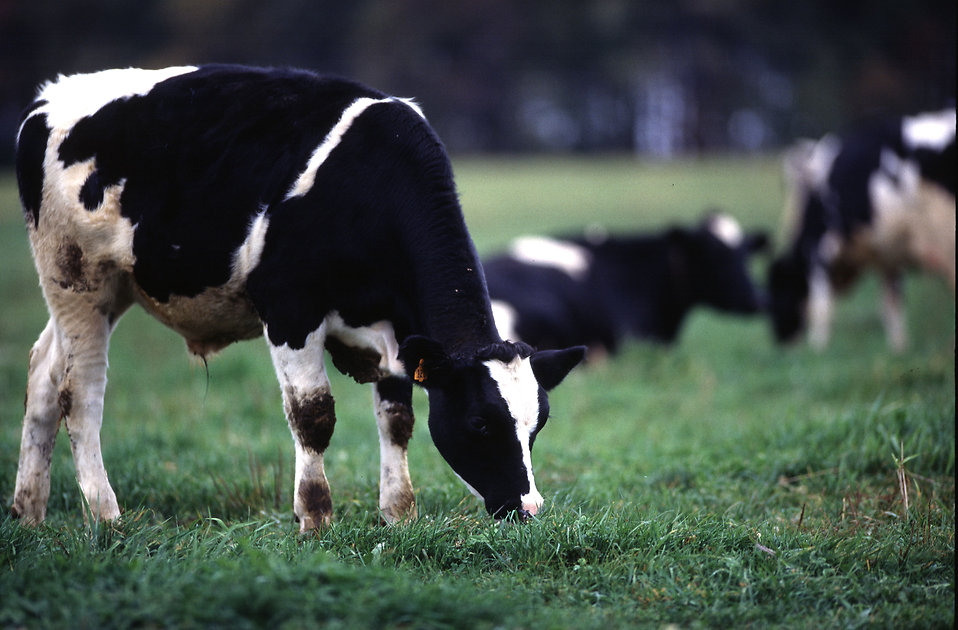
In developed communities, particularly in the US, Vegans have earned unfortunate reputations for being a little annoying. However, new scientific research suggests that they may actually have the right standpoint on the issue of meat consumption, especially for anyone who is interested in actually helping the environment. According to a recent study, going meatless is one of the best ways to save the world.
The study in question is the joint effort by Global Food Security Programme of the UK and the Seventh Framework Programme of the EU, Futurism reports. The study basically looked at what would happen if people stopped eating livestock meats and swapped them for anything else. In this case, insects were the replacements.
Without getting too lost in the idea of munching on creepy-crawlies, which have been proven to not only be nutritious but also delicious, the results of the research were pretty conclusive. Basically, if people really want to save the environment and, by extension humanity, meat consumption is going to have to drop considerably.
In the paper that the researchers published, it would seem that the meat issue isn’t the only thing at stake here, either. Since more resources come from livestock such as eggs and dairy products, drastically reducing the practice would lead to a shortage in those areas, as well.
“Animal products, i.e. meat, milk and eggs, provide an important component in global diets, but livestock dominate agricultural land use by area and are a major source of greenhouse gases,” the paper reads. “Cultural and personal associations with animal product consumption create barriers to moderating consumption, and hence reduced environmental impacts.”
This concept isn’t new, by any means. Some experts have even posited a few years ago that giving up on eating beef would have a much larger impact in the fight against climate change than giving up cars. That’s just the cows. Giving up on chickens, pork, sheep, goats, and turkey would make the effects exponentially more noticeable.







