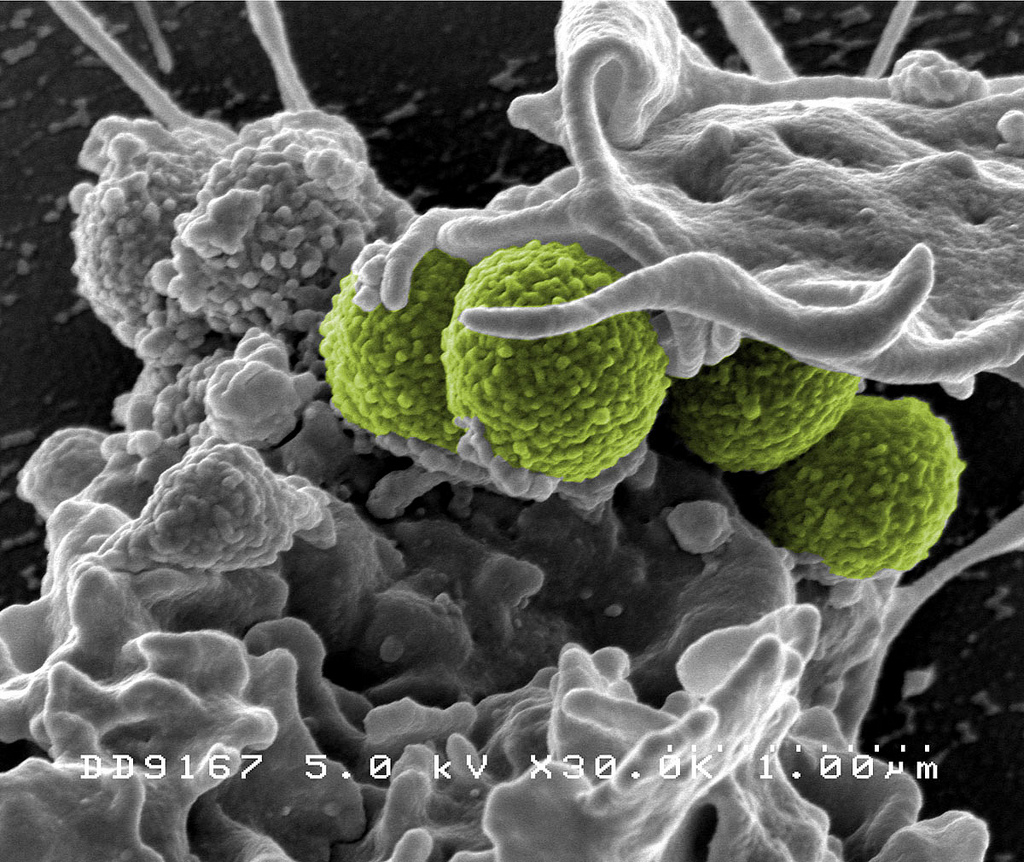
Due to the proliferation of antibiotics and the careless disposal of these drugs into the environment, many drug-resistant strains of bacteria have started popping up. Aptly called Superbugs, these microorganisms have become such a major threat that scientists are now considering crazy solutions. Among them is to use viruses to kill the bacteria with the help of artificial intelligence.
As Futurism notes, the use of viruses to treat patients infected with Superbugs is often considered a last resort. Called bacteriophage or phage, previous methods have proven to be inaccurate, which made them less reliable than conventional medicine.
Unfortunately, the current state of bacterial infection has become desperate. That’s why companies like Adaptive Phage Therapeutics are coming up with better ways to analyze the genetic data of bacteria to match them with the right phage. This is where AI comes in since the data processing capabilities of machines can significantly shorten the amount of time needed to accomplish these tasks.
Speaking to MIT Review, Adaptive Phage Therapeutics CEO Greg Merril said that time is of the essence when Superbugs infect patients. Many of them don’t have the hours or days it takes to actually sequence the genetic code of bacteria and then match them with the right treatment.
“When a patient is critically ill, every minute is important,” Merril said.
At this point, these methods are still in their infancy and are nowhere near ready to be used on humans. Clinical trials are already underway, but the rate of the spread and growth of Superbugs might spur the government to focus on this issue sooner or later. Once even the most potent antibiotics are no longer able to treat what used to be minor infections, there are going to be a lot of deaths.
The drug companies haven’t exactly advanced that far in researching new drugs to fight bacteria over the last few decades.