A Seattle-based startup supported by Beyond Meat investors is set to revolutionize the coffee industry with its groundbreaking beanless coffee. Atomo Coffee aims to minimize the environmental impact of the popular beverage by introducing a brand-new approach.
Tackling Climate Change and Deforestation
In an era of rising global temperatures and shifting agricultural landscapes, coffee farms face the challenge of adapting to new climatic conditions. Particularly, those cultivating the delicate arabica variety, beloved by baristas worldwide, are forced to move higher up mountains, resulting in deforestation.
Deforestation, after the burning of fossil fuels, stands as the second leading cause of climate change. Climate projections indicate that by 2050, nearly half of the land currently dedicated to coffee cultivation could become unviable due to changing weather patterns.
"Coffee is causing deforestation at a pretty alarming rate - almost up to ten (New York) Central Parks a day," Reuters quoted Atomo's CEO and co-founder Andy Kleitsch ahead of the firm's beanless coffee launch at the New York Coffee Festival on Friday.
Atomo Coffee's Sustainable Solution
In response to this pressing issue, Atomo Coffee has developed a "proof-of-concept" cold brew beanless coffee with a significantly reduced carbon footprint. The approach utilizes superfoods and upcycled ingredients to recreate the molecular structure of coffee, according to a report by The Independent.
Comparative analysis revealed that this innovative brew emits 93% fewer carbon emissions and consumes 94% less water than traditional coffee. Time Magazine recognized its immense potential and recognized Atomo Coffee's creation as one of the top 200 inventions in 2022.
To further expand its sustainability efforts, Atomo has introduced a hot beanless coffee variant, utilizing mostly upcycled ingredients like discarded date pips from commercial production processes. By repurposing these overlooked resources, Atomo actively reduces waste and promotes a circular economy.
Inroads into the Market and Price Considerations
Atomo Coffee plans to initially target coffee shops, offering its roasted beanless coffee at a wholesale price of $20.99 per pound.
While this might exceed the average cost of $10-14 per pound paid by American coffee shops, Atomo believes its sustainability commitment will resonate with environmentally-conscious consumers and inspire the shift towards more eco-friendly brewing practices.
Despite market uncertainties driven by inflation, Atomo remains confident about its prospects. The company is actively discussing with major coffee firms worldwide to explore potential partnerships and scale up its operations to meet growing demand.
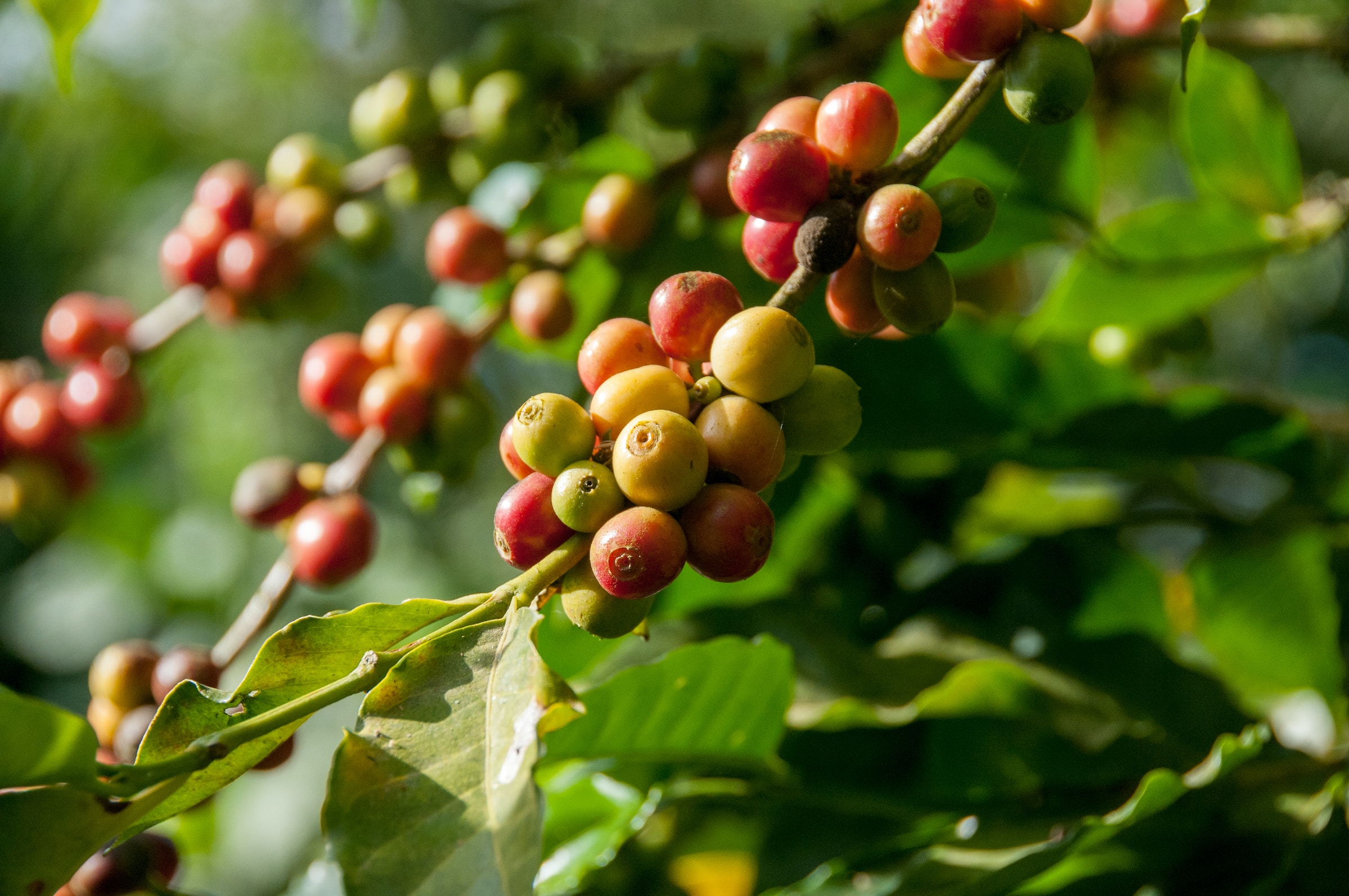
Photo: Rodrigo Flores/Unsplash