The ongoing war in Iran, growing tensions over Taiwan, and concerns about U.S. military commitments in Asia are expected to dominate discussions at the 2026 Shangri-La Dialogue, Asia’s leading defence and security forum taking place from May 29 to 31 in Singapore.
The annual summit gathers defence ministers, military officials, diplomats, intelligence leaders, policy experts, and defence industry executives from around the world. While Vietnam President To Lam is set to deliver the keynote address, much of the attention will focus on U.S. Defence Secretary Pete Hegseth amid escalating geopolitical instability.
The forum comes as the United States remains heavily involved in the Iran conflict. President Donald Trump recently stated that Washington would maintain its blockade on Iranian shipping in the Strait of Hormuz until a formal agreement is reached. The closure of the critical waterway has disrupted global oil and gas shipments, triggering higher energy prices and raising fears of inflation and supply chain disruptions across Asia.
Regional allies are expected to closely examine whether the U.S. is becoming overstretched due to simultaneous tensions in the Middle East, Europe, and the Indo-Pacific. Analysts believe Asian nations are increasingly concerned about the unpredictability of U.S. foreign policy and its impact on regional stability.
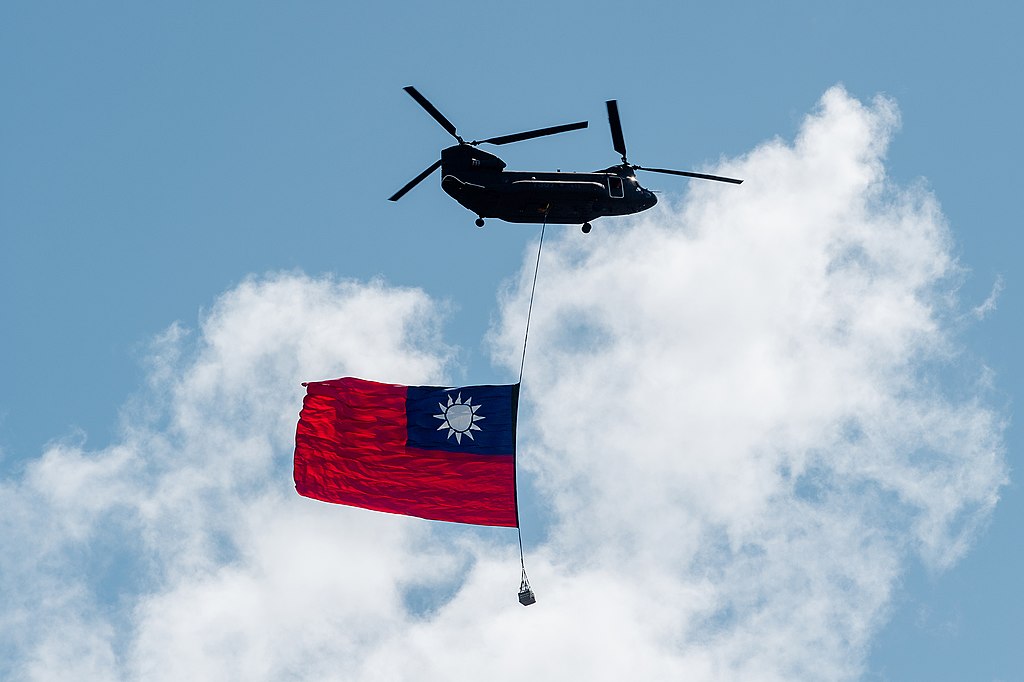
Taiwan and China are also expected to remain central issues at the defence summit. Beijing has intensified military activity near Taiwan following recent high-level talks between Chinese President Xi Jinping and Trump. China continues to claim Taiwan as its territory, while Taipei rejects those claims.
Uncertainty also surrounds China’s participation in the dialogue, as Beijing has not confirmed whether Defence Minister Dong Jun will attend. Experts say Chinese officials could face scrutiny over military corruption investigations and questions about the readiness of the People’s Liberation Army.
The Shangri-La Dialogue is also expected to highlight defence spending, maritime disputes in the South China Sea, and how smaller Asian countries are balancing relations between the U.S. and China. Vietnam is likely to emphasize its neutral foreign policy while strengthening ties with both global powers.