


 Rapidus Seeks Chip Customers as Japan Pushes 2nm Semiconductor Revival
  Fairshake Backs 32 Pro-Crypto House Candidates
  Flavio Bolsonaro Surges as Family Scores Brazil Election Comeback
  Trump Offers US Help to Russia After Plague Lab Worker Dies
  Ukraine Faces $56 Billion Budget Gap as War Costs Soar
  Lula Weighs Alckmin as Finance Minister to Boost Fiscal Credibility
  Zelenskiy Warns Russia Is Preparing Massive Attack on Ukraine
  Iran Tanker Attacks Surge as Hormuz Oil Flows Near Prewar Levels
  Cuba Says US Contacts Continue but Formal Talks Remain Stalled
  Ukraine to Intensify Strikes on Russian Oil Refineries
  US Army Tests Counter-Drone Technology Along Mexico Border
  France Student Protests Intensify Nationwide
  Flavio Bolsonaro, Lula Head to Brazil Election Runoff
  Trump Plans Diesel Tax Relief as Fuel Prices Hit Record Highs
  Trump Orders Firing Squad Execution for Fort Hood Gunman
  Russian Bombs Kill Six, Injure Nearly 60 in Kharkiv
  North Korea Slams US Taiwan Arms Sales, Reaffirms Russia Support


 Add as a preferred source on Google
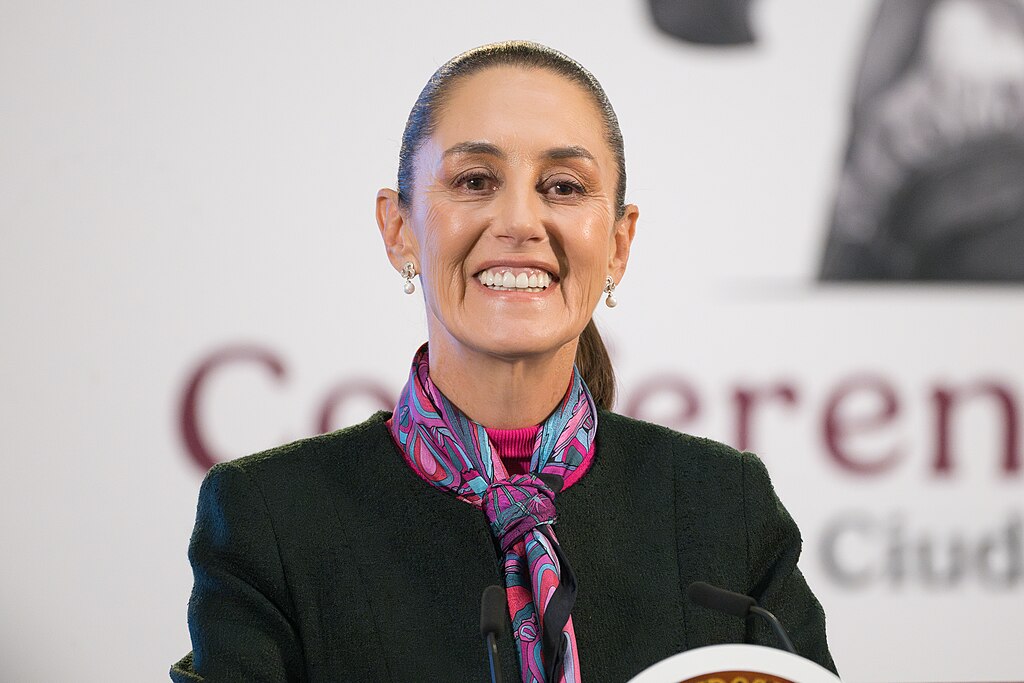
Mexican President Claudia Sheinbaum has refuted claims that U.S. President-elect Donald Trump proposed military intervention in Mexico to combat drug cartels. Sheinbaum clarified that while Trump has expressed intentions to designate Mexican cartels as terrorist organizations, he did not suggest any form of intervention during their discussions.
Clarifying Misconceptions
In a recent statement, Sheinbaum addressed the spread of misinformation regarding U.S. intentions toward Mexico's internal security matters. She emphasized that the narrative suggesting Trump proposed intervention is unfounded and constitutes "fake news." Sheinbaum reiterated Mexico's commitment to maintaining its sovereignty and stated that any collaboration with the United States would be based on mutual respect and non-intervention.
Focus on Bilateral Cooperation
Sheinbaum highlighted plans to enhance collaboration with the United States in key areas such as migration, security, and trade. She underscored the importance of addressing shared challenges through joint efforts, particularly in managing migration flows, combating organized crime, and strengthening economic ties. The President expressed optimism that through constructive dialogue, both nations can develop effective strategies that respect each country's sovereignty while promoting regional stability.
Public Reaction
The discourse surrounding U.S.-Mexico relations has elicited varied responses on social media platforms. Twitter user @BorderObserver commented, "It's crucial for both nations to work together without overstepping boundaries." In contrast, @SovereigntyGuard noted, "Mexico must remain vigilant against any form of foreign intervention." User @TradeAdvocate expressed, "Strengthening trade relations will benefit both economies; collaboration is key."
Meanwhile, @MigrationMatters remarked, "Addressing migration requires a humane and coordinated approach between the U.S. and Mexico." Additionally, @SecurityWatch tweeted, "Joint security efforts can curb organized crime, but must respect national sovereignty." Finally, @PolicyAnalyst opined, "Diplomatic engagement based on mutual respect will lead to sustainable solutions for both countries."







