


 Nvidia CEO Jensen Huang Expected at Trump-Xi State Dinner
  SEC Probes Banks Over Situational Awareness Hedge Fund Collapse
  South Korea’s Cho Hyun to Meet Rubio in Washington
  US Resumes Immigrant Visa Processing for Hungary, Poland
  Europe can’t achieve space sovereignty alone. Here’s why
  DOJ Will Investigate AI-Related Crimes, Attorney General Blanche Says
  US Confirms Weapons in Orbit as Space Tensions Rise
  Google Changes EU Spam Policy Amid Antitrust Scrutiny
  Australia Plans New Rules Giving Users Control Over Social Media Feeds
  Paris Talks Focus on Lebanon Army Needs as UNIFIL Exit Looms
  Lula, Flavio Bolsonaro Deadlocked in Brazil Election Polls
  US Allies Fear Trump Could Soften Taiwan Stance in Xi Talks
  UK PM Andy Burnham Set for First Trump Meeting in New York
  Ovechkin Faces Scrutiny Over United Russia Campaign Video
  U.S. Imposes New Visa Restrictions Over South Africa Policies
  US-China Experts Push AI Nuclear Safeguards to Prevent Military Escalation
  Ukraine Tests New Anti-Drone Weapon After Successful Shahed Intercept


 Add as a preferred source on Google
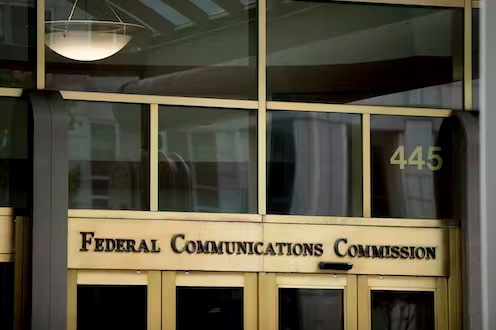
Federal Communications Commission Chairman Brendan Carr is once again putting broadcasters on notice, warning that stations airing what he considers "fake news" risk losing their licenses when renewals come due. His latest remarks, posted on X, came alongside a screenshot of President Donald Trump's Truth Social message accusing major outlets like the New York Times and Wall Street Journal of spreading misinformation about U.S. and Israeli military operations against Iran.
Carr's warning was direct: broadcasters must serve the public interest or face consequences. "They will lose their licenses if they do not," he stated, marking the first time he has explicitly extended his media criticism to wartime reporting. While the FCC has regulatory authority over television and radio stations that rely on public airwaves, it holds no jurisdiction over print or digital-only publications like the Times or the Journal.
This is not Carr's first rodeo on this issue. He has consistently argued that the FCC has long neglected its authority to enforce public interest obligations on licensed broadcasters. Referencing the 2024 presidential campaign, he cited what he described as widespread "hoaxes and distortions" and pointed to declining public trust in the media as justification for a more assertive regulatory approach.
President Trump has a well-documented history of labeling unfavorable coverage as dishonest, and he has previously called for broadcast license revocations against outlets he perceives as biased. His stance and Carr's regulatory posture appear closely aligned.
The pressure campaign has drawn sharp pushback from Democratic lawmakers and select Republican voices, who argue the administration is weaponizing regulatory power to intimidate the press. Carr, however, maintains that falling media credibility as reflected in public opinion polls validates his aggressive stance toward the broadcast industry.







