


 RBI Uses $10 Billion Currency Swaps to Drain Excess Rupee Liquidity
  RBA Set for September Rate Hike as Inflation Stays High
  Fed’s Logan Signals 50 Basis Points More in Rate Hikes
  Yen Sinks as BOJ Rate Hike Fails to Impress Markets
  Gold Prices Fall Amid Rate Jitters; Copper Steady as China Stimulus Eyed
  RBI Rate Hike Bets Surge as Inflation Rises


 Add as a preferred source on Google
The MAS to leave the slope, width and midpoint of the SGD NEER policy band unchanged at its October meeting. Growth and inflation rates have fallen by more than expected this year, but not by enough to trigger further easing. The MAS remains firmly focused on the key medium-term driver of core inflation - the tight labour market - and little has changed in this regard since the April MPS.
The Monetary Authority of Singapore (MAS) is expected to maintain the slope of the SGD NEER policy band at 1.5% pa at its October meeting, with no change to the band's midpoint or width. That said, the risk of easing is higher than in April, given external uncertainties. If Singapore tips into a technical recession in Q3, then the MAS may consider re-centring down the band to generate an immediate lift.
A smaller possibility is a sharp change in its China assumptions (ie, to a hard landing), which could lead the MAS to move to neutral and re-centre lower. A similarly low probability event is increased volatility in G10 and EM currency markets as a result of further devaluation in China, which could prompt the MAS to widen the policy bands temporarily.

- News

- Economy

- Central Banks
- Investing
- Research
- Roundups
- Digital Currency
- Insights
- Technical Analysis
- Technology
- Business
- Law
- Health
- Nature
- Fintech
- Science
- Topic
- Opinions
- ©Econometrics LLC . All Rights Reserved.
Singapore: A tougher decision to hold policy
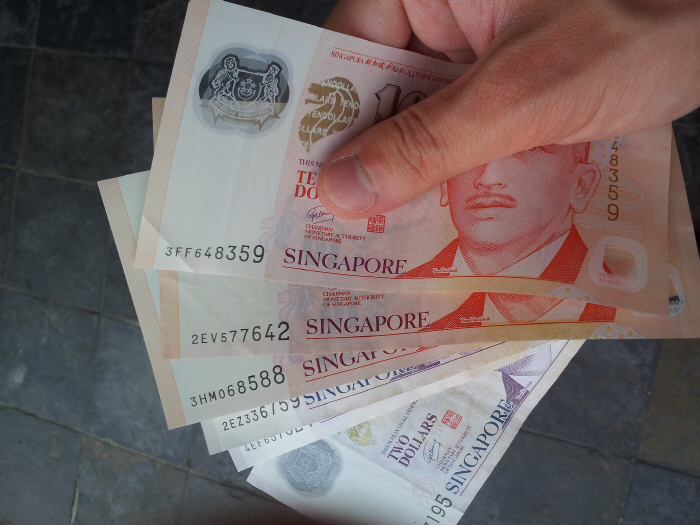
Singapore (Aleksandr Zykov_Flikr)
Friday, September 11, 2015 2:07 AM UTC
Editor's Picks



- Market Data
Most Popular




