


 Canton Network Expands in South Korea With Major Partnerships
  Wells Fargo Expands Stablecoin Plans With 20 Major Banks
  Wall Street Ends Mixed as Investors Await CPI and Bank Earnings
  Elon Musk Donates $366 Million to 2026 US Midterms
  Trump Secures Russian Diesel Deal as US Fuel Prices Surge
  Meta Launches Muse Wonder AI Models, Shares Rise 3.7%
  Trezor Cuts Reseller Network After Ledger Security Breach
  Trump Defends Russian Diesel Deal Amid US Sanctions Backlash
  Albertsons Seeks $9.3 Billion From Kroger Over Failed Merger
  Oil Prices Fall as Russia Signals Higher Diesel Exports
  Coinbase CEO Backs SEC Accredited Investor Reform
  Ripple Mints 19.6 Million RLUSD Amid Banking Expansion
  Kalshi Seeks Sixth Circuit Review of Sports Betting Ruling
  Tesla Holds $960 Million in Bitcoin as BTC Gains Top $710 Million
  Samsung, SK Hynix Shares Plunge as China Chip Competition Grows
  US Dollar Rises for Fourth Week as Fed Rate Hike Bets Grow


 Add as a preferred source on Google
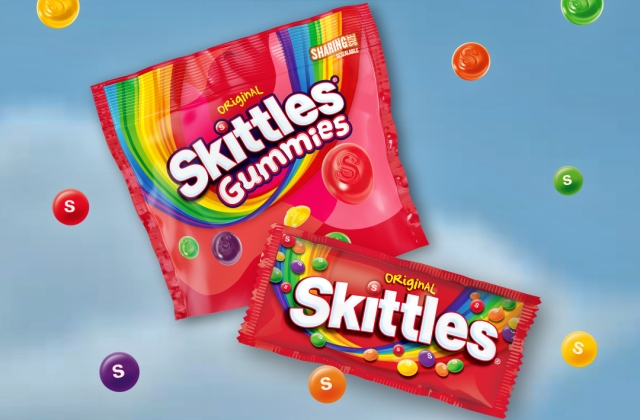
Mars Wrigley, the company that makes Skittles, sued Terphogz for trademark infringement. The latter has been selling a THC-infused product that it named Zkittlez, and this is where the problem lies.
As per CNBC, Skittles owner, Mars Wrigley, filed the lawsuit on Monday, May 3, at the U.S. federal courts in Illinois and California. The American multinational manufacturer of confectionery and other food products was also said to have filed the same trademark infringement case in Canada.
Mars Wrigley’s complaint
The company wants the courts to stop the sale of Zkittlez products that are being made and sold by Terphogz, including candies, clothing, drug paraphernalia, and other merchandise. This is because these products bear the same sounding name as Mars Wrigley’s candy item, Skittles, and it could confuse the consumers.
What’s more, Wrigley manufactures wholesome candies and goodies for kids, while the Zkittlez products are actually THC-laced items that are definitely not for children. This is the company’s main concern, so it sued Terphogz.
“At Mars Wrigley, we take great pride in making fun treats that parents can trust giving to their children and children can enjoy safely,” Mars’ spokesperson said via email. “We are deeply disturbed to see our trademarked brands being used illegally to sell THC-infused products, and even more so to hear of children ingesting these products and becoming ill.”
Official complaints in the court filing
In its court filing, Mars is seeking damages from the respondent and its resellers. It is also requesting the court to order Terphogz to permanently halt the sale of any items from the company bearing the Zkittlez name and marks. Bloomberg reported that it is asking $2 million per counterfeit mark for each type of candy sold plus the profits from the infringing sales.
Zkittlez is said to contain THC, which is the psychoactive compound found in cannabis. Thus, Wrigley sees this as a big problem as the company is selling the Skittles brand from which the Zkittlez name obviously derived as they sound the same and look the same.
“Mars Wrigley strongly condemns the use of popular candy brands in the marketing and sale of THC products, which is grossly deceptive and irresponsible,” the company said in a press release.







