


 Oil Prices Rise as Gulf Hurricane and Middle East Supply Risks Mount
  Dollar Near 18-Month High as Euro, Yen and Pound Weaken
  US Dollar Hits 18-Month High as Fed Signals More Rate Hikes
  Gold Prices Rise as Dollar Weakens, Treasury Yields Fall
  US, EU Push for Action Against Asia’s Excess Factory Capacity
  Asian Currencies Mixed as Yen Weakens, Dollar Holds Firm
  US Treasury Yields Ease After Strong 10-Year Auction as Global Bonds Struggle
  Oil Prices Trim Gains After Trump Rules Out Iran Strikes Before Midterms
  European Stocks Fall as Oil Rises Ahead of Fed Minutes
  Trump Secures Russian Diesel Deal as US Fuel Prices Surge
  Gold Prices Fall as Fed Signals Another Rate Hike


 Add as a preferred source on Google
Despite steady improvements during the 12FYP, China's social spending as a percentage of GDP is still relatively low compared with OECD members and even with other BRICs. During the 13FYP, the government is expected to continue to improve the social welfare system and further liberalise the labour market.
In addition, reforms in other social areas, such as family planning and migration, could go ahead. The government is expected to allow couples to have two children, a change likely to be approved in March 2016 given the increasing concerns about a demographic crisis.
"We see room for further liberalisation in migration-related policies in major cities", notes Barclays.

- News

- Economy

- Central Banks
- Investing
- Research
- Roundups
- Digital Currency
- Insights
- Technical Analysis
- Technology
- Business
- Law
- Health
- Nature
- Fintech
- Science
- Topic
- Opinions
- ©Econometrics LLC . All Rights Reserved.
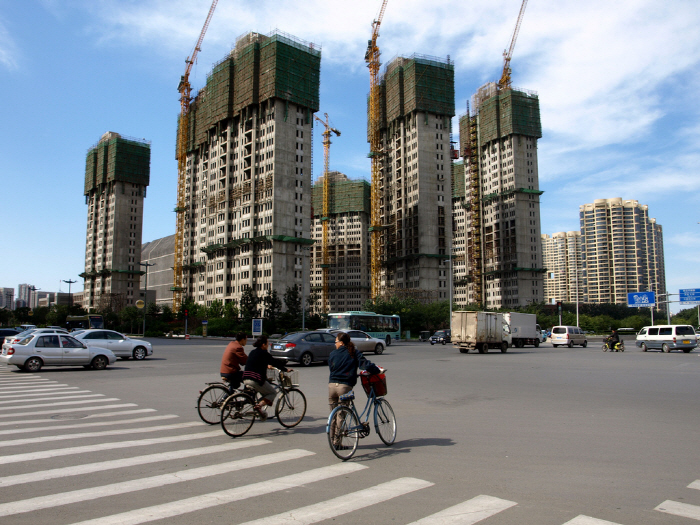
Social reforms to improve safety net and promote inclusive growth in China
Friday, October 23, 2015 1:47 AM UTC
Editor's Picks



- Market Data
Most Popular




