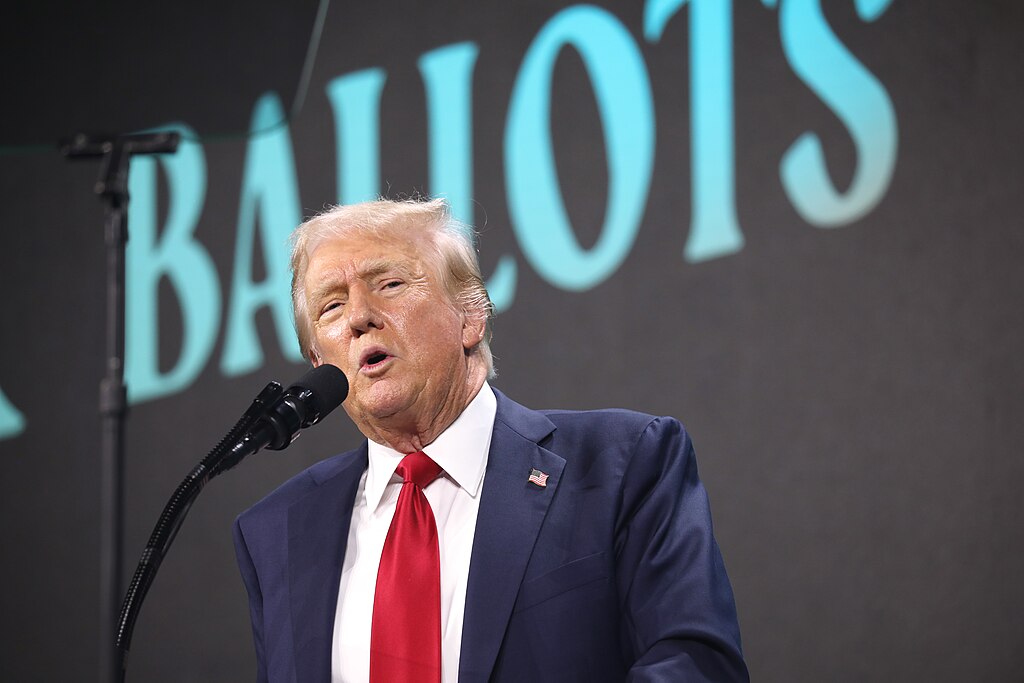
Donald Trump is once again at the center of a legal and political maelstrom following a recent interview in which the former president appeared to make a startling admission about his alleged involvement in election interference. The remarks, aired over the weekend during the second part of an interview with Fox News host Mark Levin, have quickly drawn the attention of legal experts, many of whom believe Trump may have inadvertently confessed to a crime.
During the interview, Trump seemed to boast about the repercussions of his legal troubles on his political standing, stating that his poll numbers have risen despite facing multiple indictments. However, it was his assertion about having the "right" to interfere in a presidential election that caught the attention of legal analysts and commentators alike.
The former president's comments have ignited a firestorm on social media, with legal experts and former prosecutors weighing in on what they describe as a potentially self-incriminating statement. MSNBC host and legal analyst Katie Phang was among the first to respond, pointing out the gravity of Trump's words. Others, including former federal prosecutor Joyce Vance, emphasized that there is no legal right to interfere with an election, highlighting the dangerous implications of Trump's assertion.
Vance described the situation as a clear example of what she termed the "banality of evil," arguing that Trump's statement reflects his belief that he can override the democratic process to claim victory in an election he lost. This sentiment was echoed by several other legal professionals, including attorney Elizabeth de la Vega, who bluntly suggested that Trump's comments effectively make the case against him.
The interview has also raised concerns among those following Trump's ongoing legal battles, particularly in relation to the multiple indictments he is currently facing. The Justice Department, along with Special Counsel Jack Smith, has been notified by numerous social media users who flagged Trump's remarks as potential evidence in the ongoing investigations into his actions surrounding the 2020 election.
The apparent admission has also sparked a broader conversation about Trump's fitness for office, with commentators suggesting that his behavior may be driven by either a delusional belief in his own rhetoric or a more sinister intent to undermine the democratic process. Psychologist Dr. David A. Lustig weighed in on the matter, characterizing Trump's actions as a dangerous combination of "sociopathic narcissism" and "advancing dementia."
As the fallout from the interview continues to unfold, it remains to be seen how Trump's latest remarks will impact his legal standing and political ambitions. However, the former president's words have undoubtedly added fuel to the ongoing debate over his conduct and its implications for the future of American democracy.