Tensions in the Middle East intensified after Israel launched a new wave of airstrikes on Tehran, prompting Iran to respond with additional missile barrages across the region. The escalation follows the killing of Iran’s Supreme Leader Ayatollah Ali Khamenei, a development that has shaken global markets and raised fears of a wider regional war.
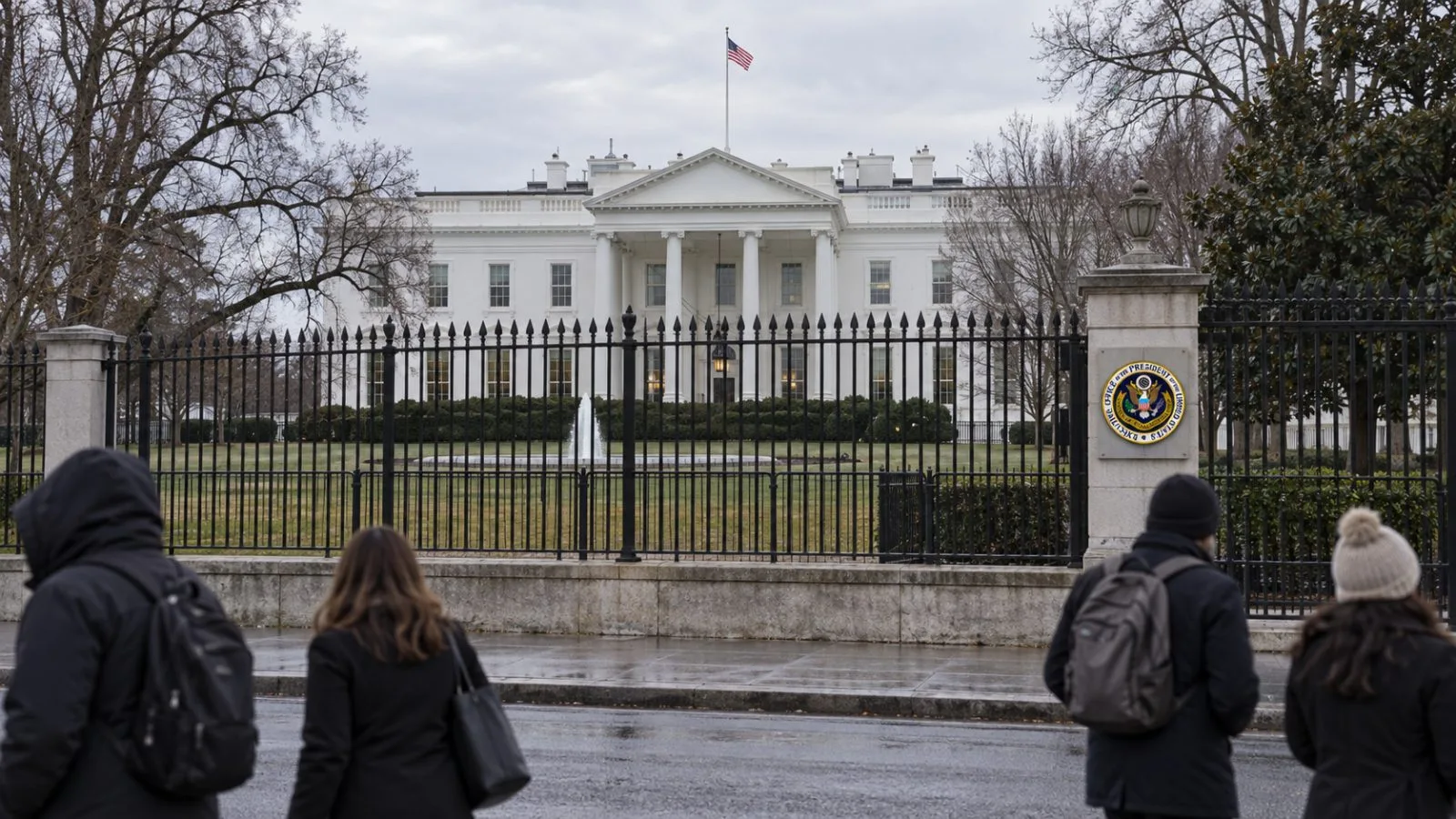
U.S. and Israeli military operations targeting Iran’s nuclear facilities and missile infrastructure have reportedly struck more than 1,000 Iranian targets, according to U.S. Central Command. President Donald Trump said the objective is to prevent Iran from acquiring a nuclear weapon, weaken its missile program, and eliminate threats to the United States and its allies. In a public statement, Trump vowed that military strikes would continue until American objectives are achieved, while urging Iranian military forces to surrender and encouraging Iranian citizens to rise against their government.
Iran retaliated with missile and drone attacks, reportedly targeting U.S. military bases in Kuwait and Bahrain and oil tankers in the Gulf and Strait of Hormuz. The closure of the Strait of Hormuz, a critical route for nearly 20% of global oil supplies, has disrupted shipping, sent energy prices higher, and increased concerns about fuel costs worldwide. Hundreds of oil and gas vessels have anchored in nearby waters as traders brace for volatility in crude oil markets.
The conflict has also severely disrupted global air travel, with major Middle Eastern airports, including Dubai, temporarily closed. Israel reported intercepting projectiles launched from Lebanon, raising concerns that Hezbollah could enter the conflict despite a 2024 ceasefire agreement.
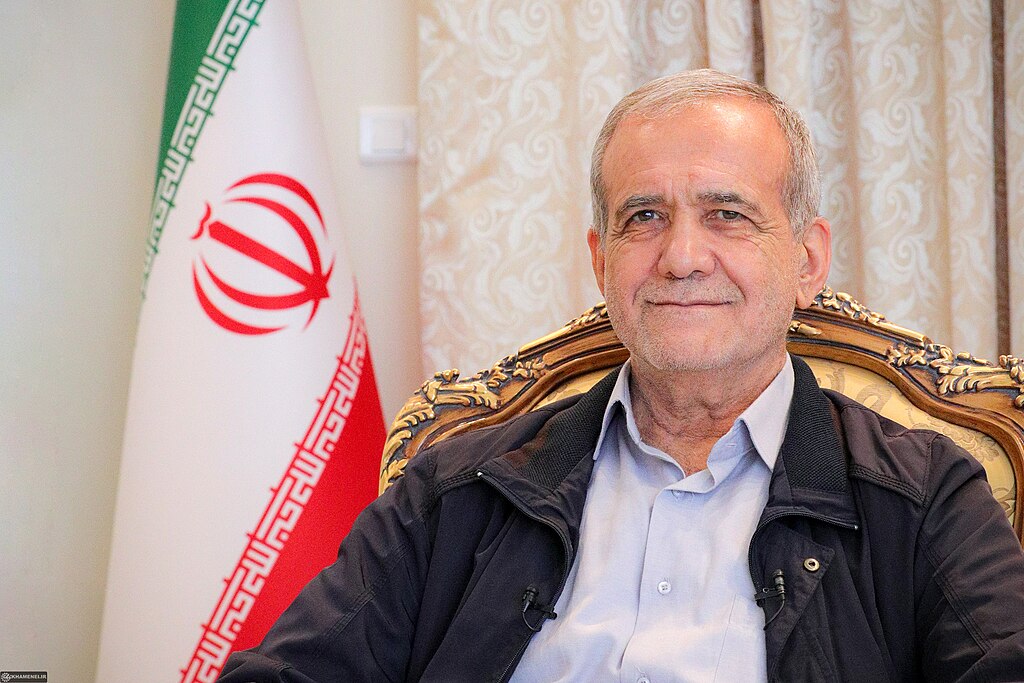
Inside Iran, President Masoud Pezeshkian announced that a temporary leadership council has assumed the Supreme Leader’s responsibilities. While some Iranian officials signaled openness to de-escalation, others vowed continued resistance. As regional powers and global leaders react, uncertainty remains over Iran’s political future and the broader geopolitical and economic consequences of this escalating crisis.