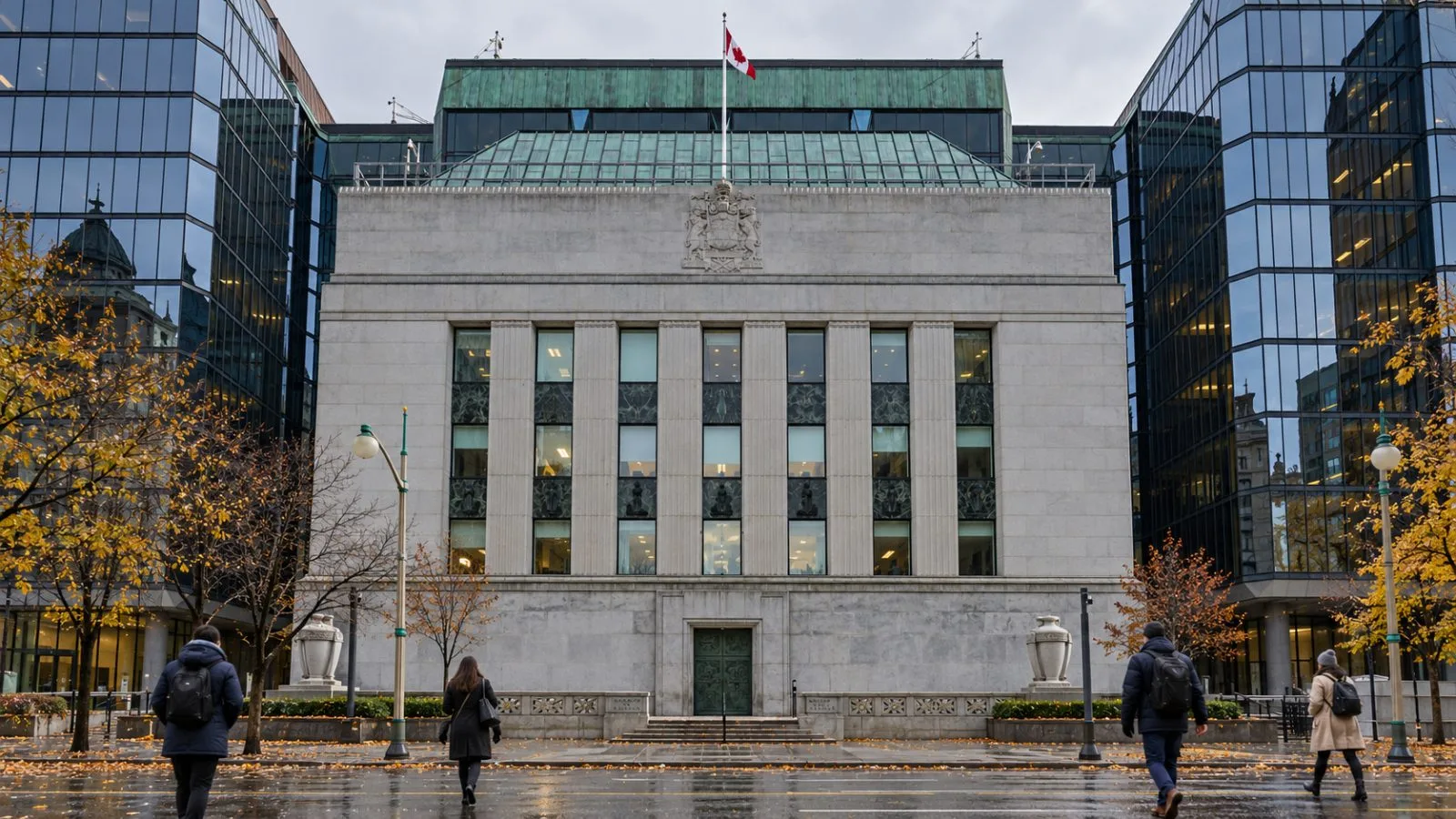
A South African Reserve Bank study found that the 2026 fuel shock produced inflation pressure comparable to 2022 in some measures, but the increases touched fewer consumer categories, limiting the breadth of the pass-through.
Researchers Keletso Morwane and Rudi Steinbach examined 389 eight-digit inflation components during the shock’s first six months and compared the pattern with 2022. They found the response was less extensive and less uneven across categories. The study separates the force of price increases from how widely they appeared: in some measures, pressure was often comparable, but affected fewer components.
The note's comparison covers a six-month window for the 2026 shock against the earlier fuel-price episode. It tracks both how widely inflation appeared across the basket and how varied its effects were between components. Some services prices were already broadening before the conflict, the researchers note. They credit favorable conditions in food-related sectors with helping limit how far the shock fed into other consumer prices.
Researchers place the Middle East conflict among the biggest oil-market shocks in recent decades. Their comparison shows faster increases in Brent crude, South African fuel costs and refinery margins than in the period after Russia’s 2022 invasion of Ukraine. Despite those sharper moves, the inflation effects were less extensive across the consumer basket than in 2022.
Statistics South Africa reported annual inflation of 4.5% in September, compared with 4.4% in August. Fuel prices were 27.9% higher than a year earlier, while passenger transport prices rose 12.3% over the same period. EconoTimes covered the figures in its earlier September inflation report.
Statistics South Africa is scheduled to release October inflation data Nov. 18. The South African Reserve Bank’s next policy announcement is scheduled for Nov. 19.