


 Flavio Bolsonaro Leads Lula 49%-45% in Brazil Runoff Poll
  Mahmoud Abbas Postpones Palestinian Elections to September 2027
  Trump Cancels Alabama Football Trip as Hurricane Isaias Approaches
  Djibouti Migrant Boat Capsizes, Killing 139 and Leaving 84 Missing
  US, EU Push for Action Against Asia’s Excess Factory Capacity
  Flydubai Co-Pilot Planned Suicide Attack on Israel Airport, UAE Says
  Trump Sanctions International Criminal Court, Sparking EU Backlash
  Ripple Chairman Chris Larsen Donates $22.5 Million Ahead of US Midterms
  Yandex Data Center Hit by Drone Strike as Russia-Ukraine Cyber Infrastructure Attacks Escalate
  US Judge Blocks Trump Administration’s Taxpayer-Funded Political Ads
  Brazil Election: Lula and Bolsonaro Rally Ahead of October 25 Runoff
  UK Finance Minister Healey Calls for Fiscal Discipline Amid Global Risks
  North Korea Fires Ballistic Missiles as Tensions With South Korea Escalate
  RFK Jr. Launches Nationwide Vaccine Safety Review
  Zelenskiy Offers Russia Energy Truce Amid Trump Pressure
  Trump Secures Russian Diesel Deal as US Fuel Prices Surge


 Add as a preferred source on Google
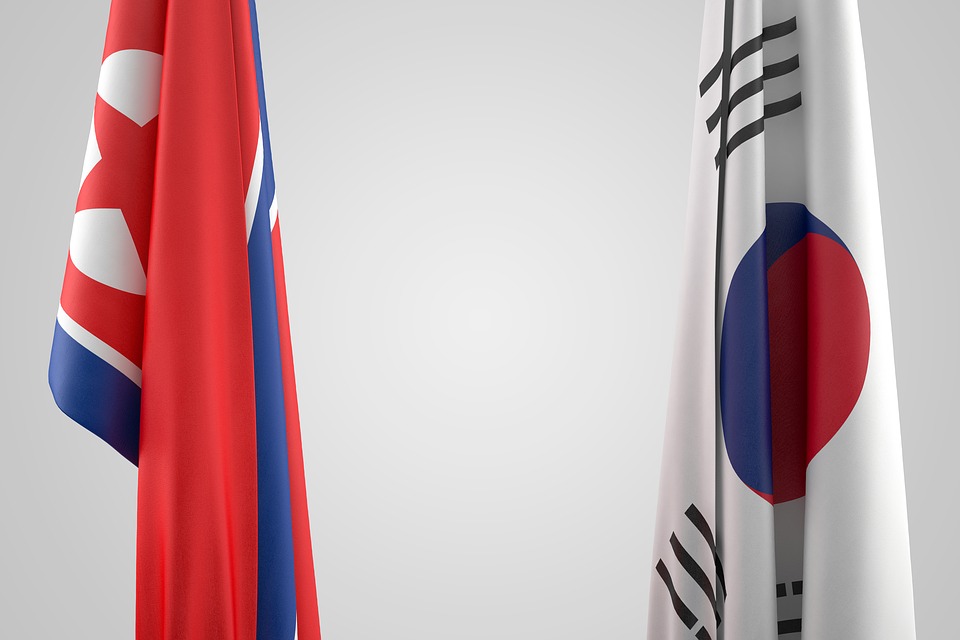
With tensions in the Korean peninsula over North Korea’s weapons program, South Korea and the United States resumed their largest live-fire field exercises this week. This year’s set of drills is seen as the largest the two countries held in years.
South Korea and the US resumed their largest live-fire field drills in years, following diplomatic efforts and the COVID-19 pandemic leading to joint drills getting scaled back. The two countries see the drills as an important part of their efforts to deter North Korea and its nuclear program.
North Korea, however, has called the joint drills a rehearsal for war, while Russia and China also raised concerns that this would increase tensions in the region.
According to Reuters, the drills include live-fire from American and South Korean howitzers, tanks, machine guns, and mortars. American A-10 attack aircraft and Apache helicopters were also part of the joint drills.
US Col. Brandon Anderson, the 2nd Infantry Division/ROK-US Combined Division’s deputy commander for maneuver, said the drills are not aimed at one adversary, but they included the “reason for the US-ROK alliance” which is North Korea.
“We’re all here for a reason, we all know that’s a potential, and how we would defend against it is what we’re trying to demonstrate here,” said Anderson, adding that the drills stress that the US forces will not be leaving the Korean peninsula.
“We are here for the long haul. As long as there is a threat out there, it gives us purpose, and purpose to train,” said Anderson.
South Korea’s Defense Acquisition Program Administration said Saturday that two South Korean companies signed a $5.76 billion contract with Poland to export tanks and howitzers, following Warsaw’s move to ramp up imports in the midst of tensions with Russia.
The contract was signed Friday last week and is part of South Korea’s biggest arms deal that was secured in July.
The Hyundai Rotem Co. will ship K2 Black Panther tanks, and Hanhwa Defense - the defense unit of Hanhwa Corp - will send K9 self-propelled Howitzers to Poland. While both countries have not announced the value of the deal, which is estimated to be up to ₩20 trillion or $15 billion.







