


 RBA Hikes Interest Rate to 4.60% as Inflation Risks Rise
  Fed’s Hammack Says Bond Yield Surge Is Not Driven by Inflation Fears
  Yen in Focus as BOJ, Fed Rate Hikes Reshape Currency Markets
  RBA Says ASX Still Falls Short on Governance and Risk Controls
  China, US Extend Trade Truce Through January 10 After Trump-Xi Summit
  RBI Uses $10 Billion Currency Swaps to Drain Excess Rupee Liquidity
  BlackRock’s Rick Rieder Favors Bonds Over Stocks as Treasury Yields Surge
  Fed’s Williams Signals One More Rate Hike Before Year-End
  China Cuts Tariffs on U.S. Farm Goods but Excludes Soybeans
  Gold Rebounds as Oil Falls and Treasury Rout Eases
  BOJ Raises Interest Rate to 31-Year High as Yen Weakens
  BOJ Flags Import Costs and Yen Shocks as Persistent Inflation Risks
  Gold Plunges 4% as Treasury Yields Surge and Fed Rate Hike Bets Rise


 Add as a preferred source on Google
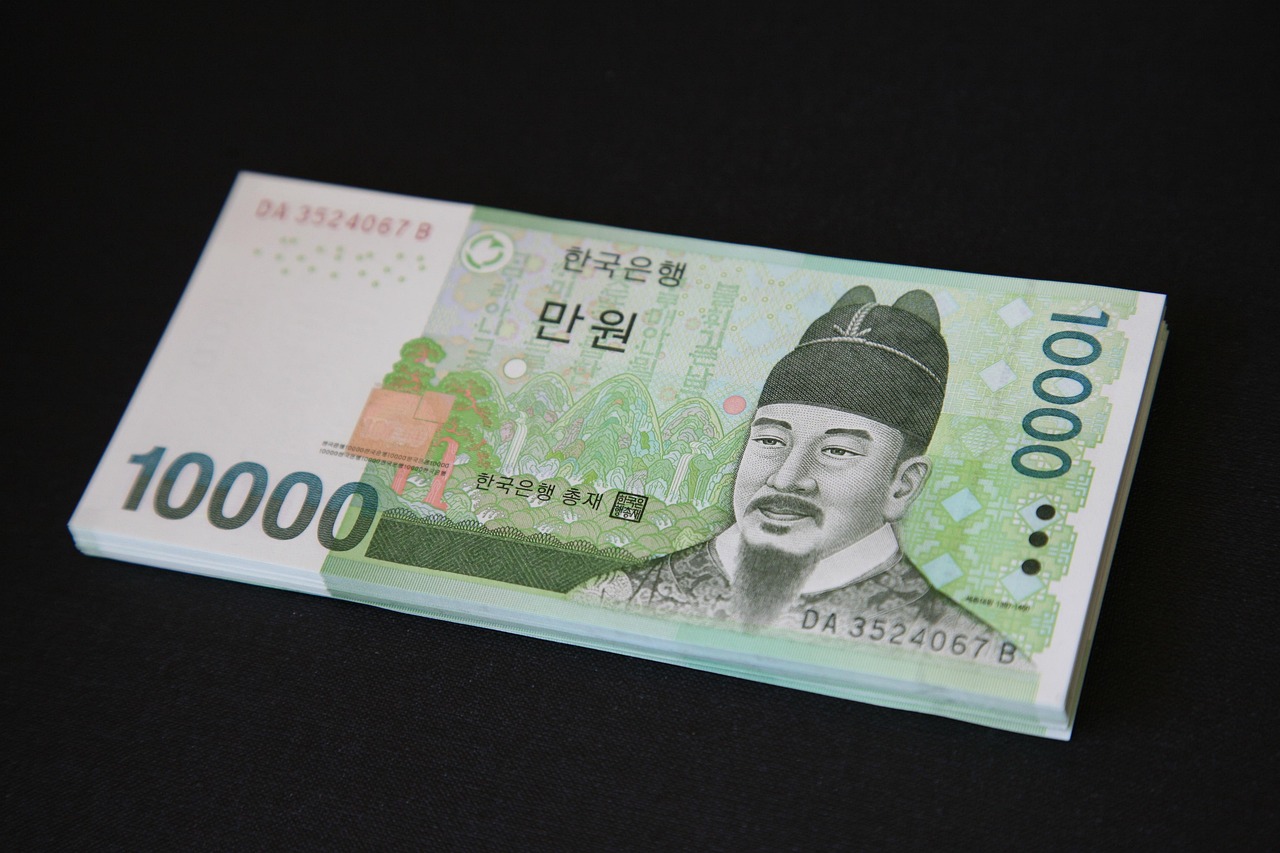
South Korea’s top economic policymakers have pledged stronger measures to stabilize the currency market as the Korean won continues to weaken, a trend they say does not reflect the country’s economic fundamentals. The government and central bank emphasized close coordination to address volatility in the foreign exchange market and restore investor confidence.
On Monday, Finance Minister Koo Yun-cheol said authorities would intensively monitor financial and foreign exchange markets while working to resolve structural imbalances in dollar demand and supply. Speaking at a New Year’s event for the financial sector, Koo stressed that stabilizing the currency remains a priority amid global uncertainty and shifting capital flows. He also announced that the government plans to prepare tax incentives aimed at encouraging long-term investment in domestic stocks, a move intended to support local financial markets and strengthen economic resilience.
The Korean won fell about 0.3% to 1,448.6 per US dollar on Monday, marking its fourth consecutive session of losses. This decline came after a sharp rebound in late December, when policy efforts helped lift the currency from an eight-month low. Despite that recovery, renewed weakness has raised concerns among policymakers, particularly as they argue that macroeconomic indicators do not justify such depreciation.
Bank of Korea Governor Rhee Chang-yong echoed these concerns, noting that the recent downward trend in the won does not align with South Korea’s underlying economic conditions. He emphasized that the central bank, the government, and other relevant agencies must work together more closely to address excessive currency volatility and safeguard financial stability.
Looking ahead, Rhee said monetary policy would be managed with greater caution, as policymakers face increasingly complex trade-offs between supporting economic growth, controlling inflation, and maintaining financial stability. He suggested that a more delicate approach will be required as external risks persist and global financial conditions remain tight.
Overall, South Korea’s economic leaders signaled a firm commitment to stabilizing the won and ensuring orderly currency market conditions, while also laying the groundwork for policies that support long-term investment and sustainable growth.







