


 BOJ Flags Import Costs and Yen Shocks as Persistent Inflation Risks
  BOJ Set to Raise Rates to 1.25% as Inflation Risks Build
  ECB May Stop Rate Hikes After December, Capital Economics Says
  Yen in Focus as BOJ, Fed Rate Hikes Reshape Currency Markets
  RBA Hikes Interest Rate to 4.60% as Inflation Risks Rise
  Trump Eyes $54 Billion South Korean Investment in Alaska LNG
  RBA Set for September Rate Hike as Inflation Stays High
  Fed Rate Hike Threatens Housing as U.S. Growth Leans on AI, Citi Says
  Asian Stocks Fall as Oil Surge, Bond Yields and AI Concerns Hit Markets
  China Industrial Profit Growth Slows as Weak Demand Offsets AI Gains
  XRP Price Targets $1.70 as Bullish Momentum Builds
  Japan Warns Markets Over Yen Weakness
  U.S. Stock Futures Fall as Iran, Oil and AI Risks Rattle Markets


 Add as a preferred source on Google
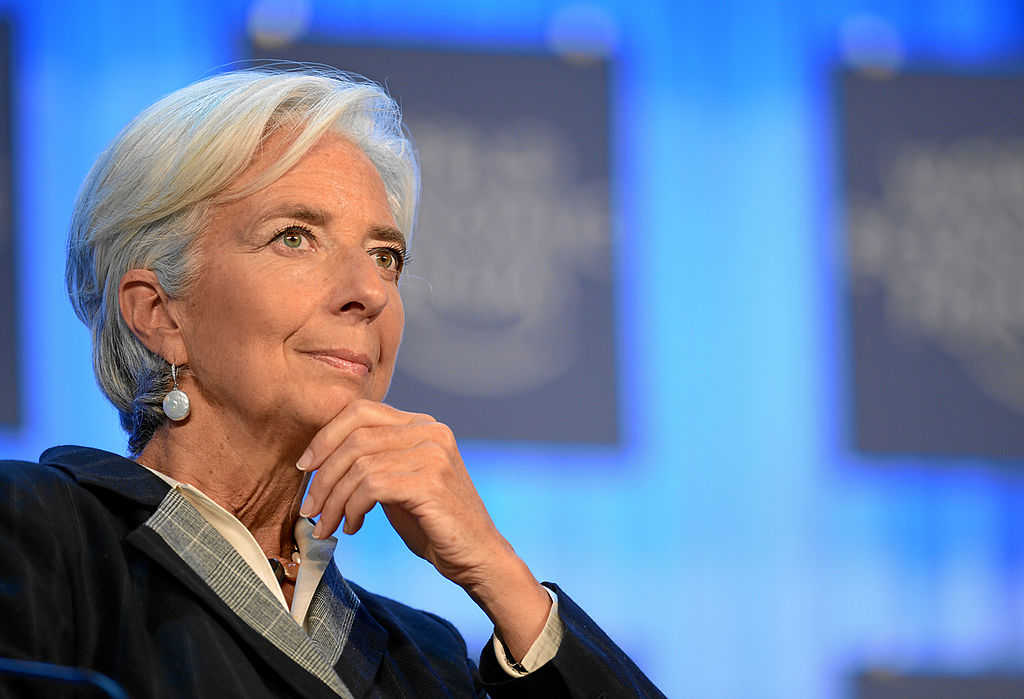
Christine Lagarde is expected to step down as President of the European Central Bank (ECB) before completing her full eight-year term, according to a report published Wednesday by the Financial Times. The report cited a person familiar with Lagarde’s thinking, suggesting that the longtime policymaker may leave her position earlier than anticipated.
Lagarde, who has led the ECB since November 2019, has played a central role in shaping eurozone monetary policy during a period marked by economic uncertainty, inflationary pressures, and post-pandemic recovery challenges. Her leadership has been closely watched by global financial markets, investors, and policymakers due to the ECB’s influence on interest rates, inflation control, and overall eurozone economic stability.
While the Financial Times report has sparked discussion across financial and political circles, Reuters stated that it was unable to independently verify the claims. As of now, there has been no official confirmation from the European Central Bank regarding Lagarde’s potential early departure.
The possibility of Christine Lagarde leaving the ECB before the end of her mandate raises questions about the future direction of eurozone monetary policy. Any leadership transition at the central bank could have significant implications for interest rate decisions, inflation management strategies, and broader financial market stability within the European Union.
Market analysts note that changes in ECB leadership often influence investor sentiment, bond yields, and the euro’s exchange rate. As one of the world’s most influential central banking institutions, the ECB’s policy decisions have far-reaching effects on global markets.
Until an official statement is released, the report remains speculative. Investors, economists, and policymakers will be closely monitoring developments surrounding Christine Lagarde and the European Central Bank in the coming days.







