


 US Judge Blocks Trump Administration’s Taxpayer-Funded Political Ads
  Trump Sanctions International Criminal Court, Sparking EU Backlash
  Zelenskiy Slams US-Russia Diesel Deal as Funding War
  North Korea Fires Ballistic Missiles as Tensions With South Korea Escalate
  Ripple Chairman Chris Larsen Donates $22.5 Million Ahead of US Midterms
  Trump Cancels Alabama Football Trip as Hurricane Isaias Approaches
  Trump Announces Russia-Ukraine Energy Ceasefire as Zelenskiy Awaits Details
  Djibouti Migrant Boat Capsizes, Killing 139 and Leaving 84 Missing
  US, EU Push for Action Against Asia’s Excess Factory Capacity
  Pakistan Declares Emergency in Khyber Pakhtunkhwa, Suspends Imran Khan’s PTI Government
  Brazil Election: Lula and Bolsonaro Rally Ahead of October 25 Runoff
  Houthis Warn Saudi Airports After Deadly Riyadh Attack
  Zelenskiy Slams US Over Deadly Russian Strikes on Ukraine
  JD Vance Questions Pentagon Plan to Livestream Fort Hood Shooter’s Execution
  Yandex Data Center Hit by Drone Strike as Russia-Ukraine Cyber Infrastructure Attacks Escalate


 Add as a preferred source on Google
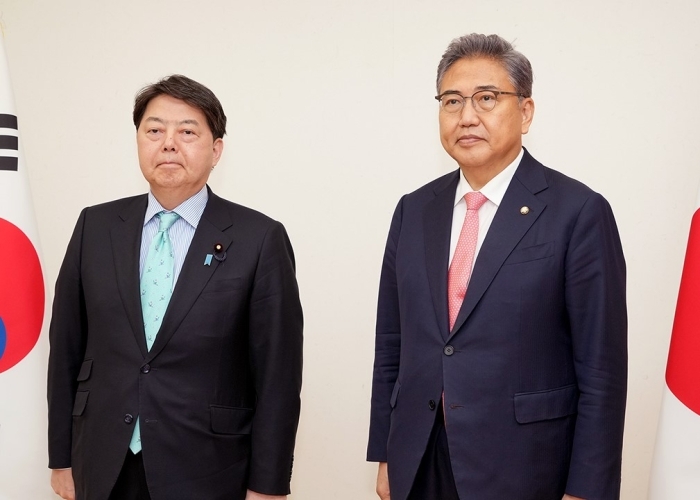
South Korea and Japan are seeking to repair ties and overcome historical tensions. South Korean foreign minister Park Jin traveled to Japan this week to meet with his Japanese counterpart as they begin talks to address historical issues and repair relations.
Park met with his Japanese counterpart Yoshimasa Hayashi in Japan Monday to begin discussions on how to resolve historical issues that have long strained relations between the two countries. The strained relations stemmed from Japan’s occupation of Korea from 1910 to 1945.
During the meeting, Park told Hayashi that he would try to solve the forced labor issue before a decision was made on compensation payments. Both ministers agreed to find a diplomatic solution to the issues, according to the Japanese foreign ministry in a statement about the meeting.
Japanese officials have said it is important to improve ties with South Korea but have turned to Seoul for proposals to resolve ongoing disputes, such as South Korean court orders to seize assets of Japanese companies that are accused of not providing compensation to some colonial-era workers.
The South Korean Supreme Court is set to make the final decision on asset liquidation by August or September. Tokyo, however, warned that there may be serious consequences should the orders be enforced.
The meeting between Hayashi and Park comes as the United States has urged both countries to resolve their issues as they also work together on other key issues such as North Korea’s missile and nuclear programs as well as China’s growing influence on the continent.
Park and Hayashi also said they would cooperate regarding North Korea and agreed to ramp up dialogue at the heels of Russia’s war with Ukraine.
South Korean President Yoon Suk-yeol will be meeting with US Treasury Secretary Janet Yellen Tuesday as she wraps up her visit to Asia this week, the Treasury Department announced.
The US agency said that Yellen would continue to push for a proposed cap on the price of Russian oil and the efforts to address the supply chain bottlenecks through “friendshoring” or boosting trade ties with trusted partners such as South Korea.







