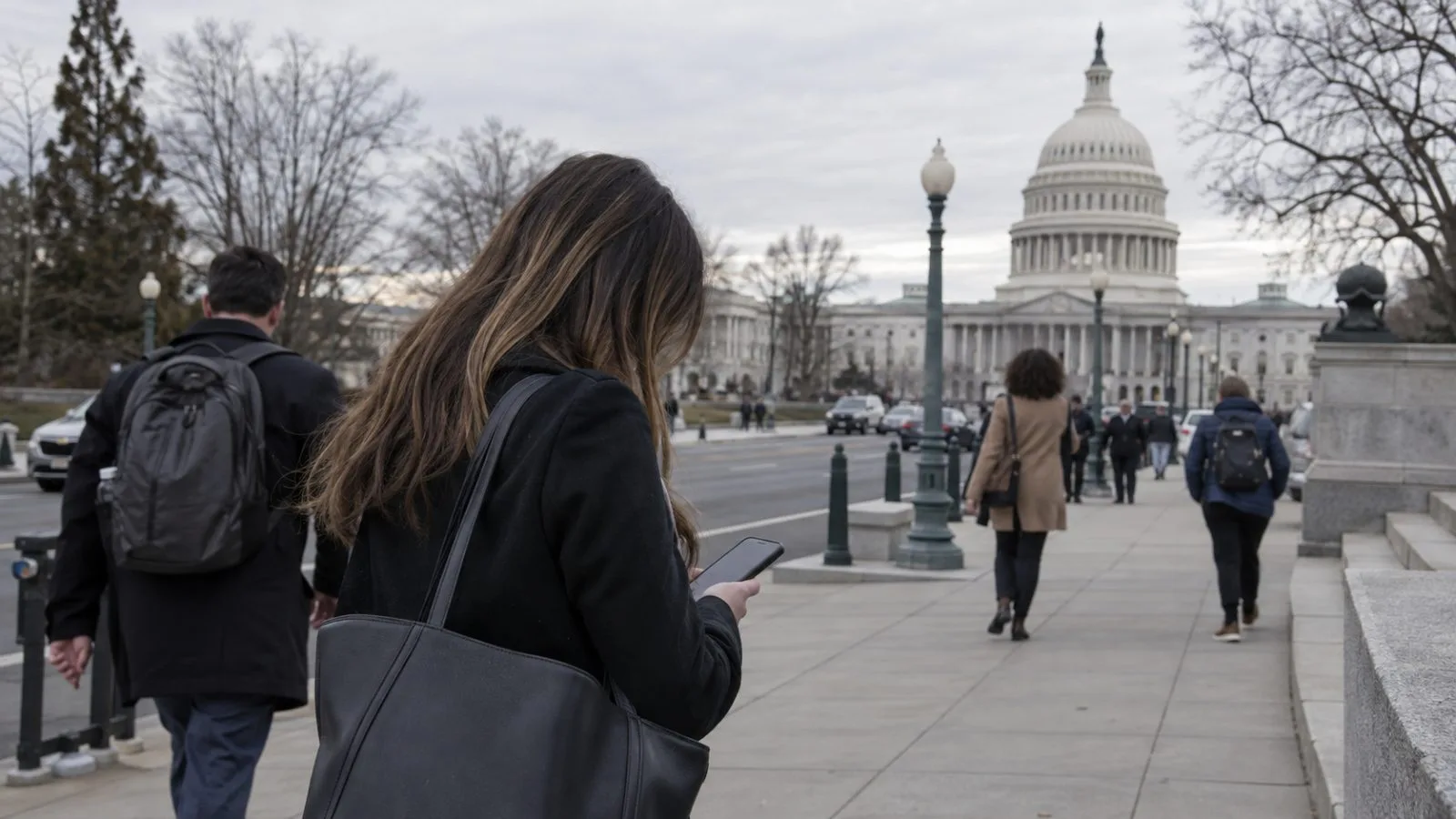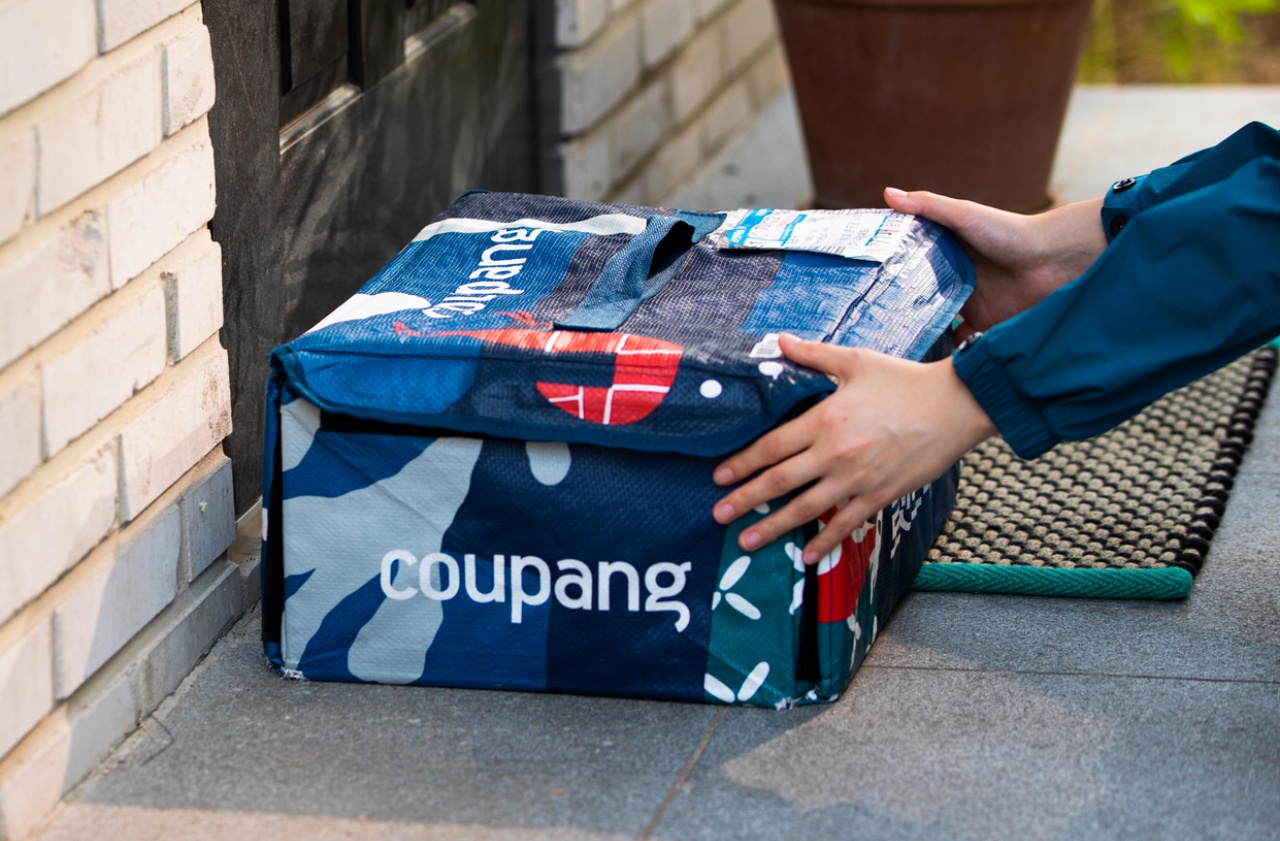
South Korea’s decision to impose a hefty fine on e-commerce giant Coupang over a major data leak has drawn criticism from Washington, fueling concerns that the dispute is affecting broader U.S.-South Korea relations.
Coupang, South Korea’s largest online retailer with headquarters in Seattle, has become the center of growing diplomatic tensions. South Korean Ambassador to the United States Kang Kyung-wha returned to Seoul on Wednesday for consultations with President Lee Jae Myung’s administration as the controversy continued to escalate.
Speaking to local media, Kang acknowledged that the issue had lasted longer than expected but said it would be handled separately from other bilateral agreements between the two allies.
The dispute comes at a sensitive time, with South Korea pursuing a $350 billion investment commitment in the United States, seeking cooperation on nuclear-powered submarine development, and coordinating with Washington on China and North Korea.
Adding to the friction, the U.S. State Department recently criticized South Korea’s revised communications law, warning that higher penalties for online content deemed false could lead to excessive regulation and threaten free speech. The changes affect both domestic platforms and major U.S. technology companies, including Google, Meta, X, and TikTok.
South Korean lawmakers have rejected claims that Coupang is being singled out because of its U.S. ties. Democratic Party lawmaker Park Sun-won said the case involved a personal data breach affecting about 35 million users and would have been handled the same way regardless of the company's ownership. Lawmaker Kim Young-bae also dismissed suggestions that the case reflected anti-American sentiment.
The controversy began after Coupang disclosed in November that a former employee in China had accessed company systems, exposing customer data. In June, South Korean regulators imposed a 625 billion won ($422.6 million) fine, saying the penalty was necessary to protect consumers. Coupang plans to challenge the decision, arguing regulators failed to consider its corrective measures.
The company said it hopes to reach a constructive resolution with Seoul. Meanwhile, some U.S. Republican lawmakers have accused South Korea of unfairly targeting American-owned businesses, a claim the South Korean government strongly denies, insisting the enforcement action is based solely on privacy and consumer protection laws.