SsangYong Motor is one of the companies that has been badly affected by the COVID-19 pandemic. It was already struggling, and its situation was worsened by the coronavirus.
Now the ailing carmaker is trying to get back up by undergoing rehabilitation and applying some business plans. While it has yet to regain a good footing in the car manufacturing business, it is making a new move to save the company.
Sending the workers home
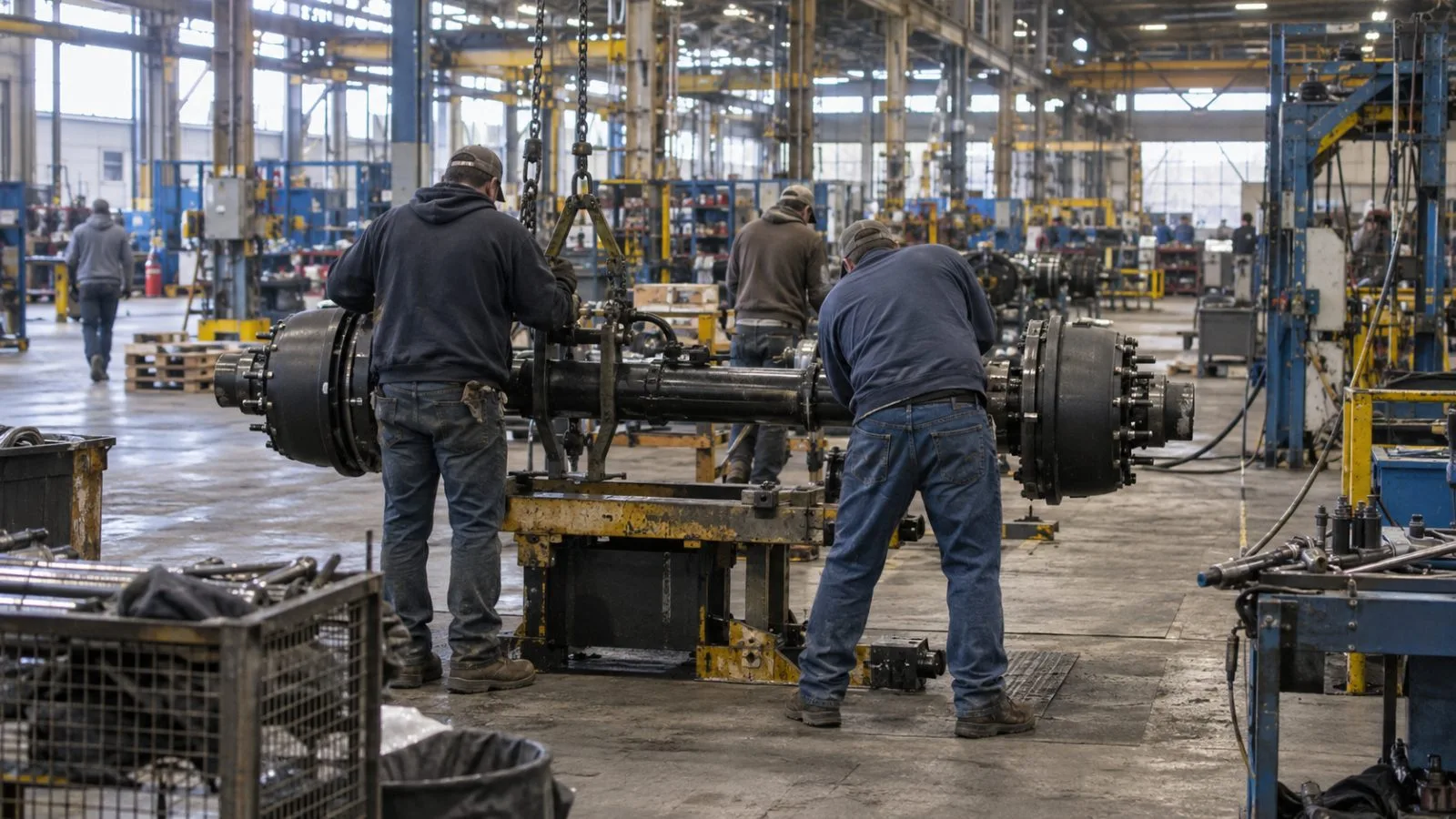
As per The Korea Herald, SsangYong Motor will be sending half of its workers for a temporary break, and the worst part is that this is unpaid leave. It was said that most of the employees may be rotated for the leave schedule for up to two years.
This is apparently a desperate action from SsangYong Motor to be able to save on costs. While the breaks are not good since it is without pay, this plan will minimize company layoffs. Factory workers are the ones that will be hit with this scheme.
It was revealed that the automaker is talking to the labor union so they can set up an action plan together. The talks followed after the announcement of unpaid leaves for the factory workers.
The good thing is that unionized workers were said to have accepted SsangYong Motor’s turnaround plan, even the unpaid leaves of a large number of employees for a maximum of two years. This is a nice development because it means the unions are willing to work with the company, so both parties will gain in the end.
On Tuesday, June 8, SsangYong Motor stated that 52.1% of workers out of its 3,224 members participated in the voting and agreed on the plan. The unpaid leave will begin on July 1.
SsangYong Motor's restructuring plan
The Korea Times reported that unionized workers accepted Ssangyong Motor’s scheme under the heavy restructuring measures. This is because they also know that the company is struggling to cope with its financial issues.
Under the self-restructuring scheme, the factory workers will take their leave, and the schedule will be rotated out of the 3,224 unionized members. There will also be pay cuts, and the employees approved this as well.