Tensions in the Strait of Hormuz have escalated sharply as the United States and Iran exchange new attacks, raising concerns over global energy security and maritime trade. The vital shipping corridor, responsible for a significant portion of the world’s oil transport, has been severely disrupted following weeks of conflict and military blockades.
Recent missile and drone strikes have intensified the situation, with several commercial vessels reporting explosions or onboard fires. The U.S. has also confirmed the destruction of Iranian military boats, while Iran has responded with threats of further retaliation against foreign forces operating in the region. An oil facility in the United Arab Emirates was reportedly set ablaze, signaling a dangerous expansion of the conflict beyond the strait itself.
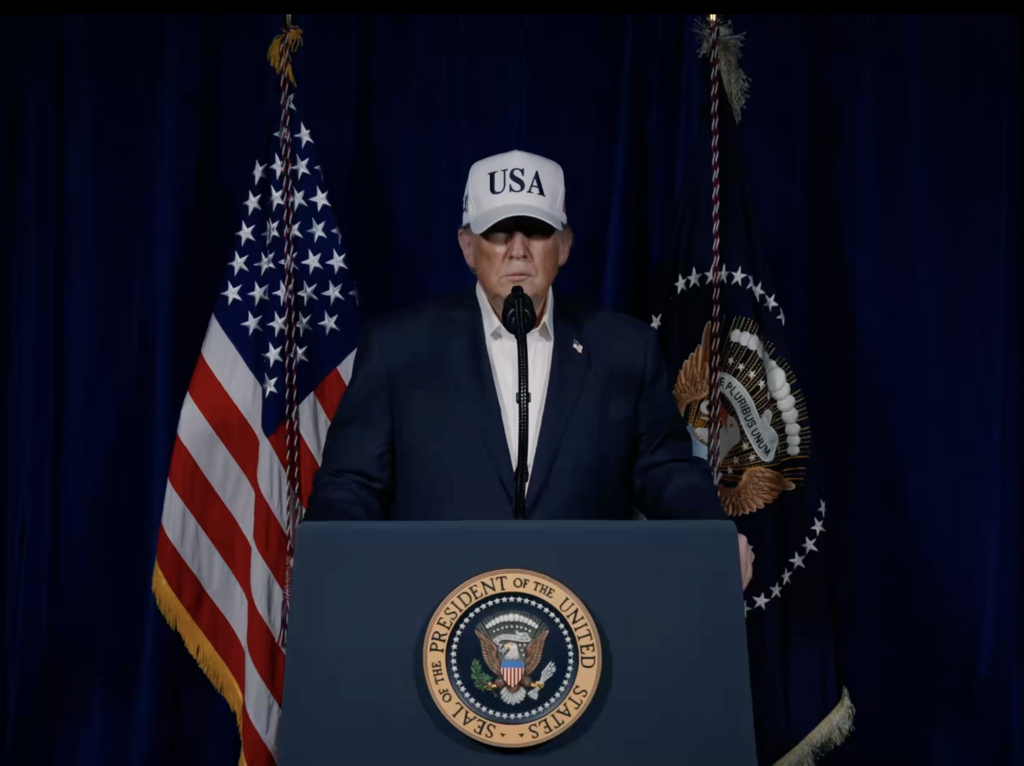
In response, U.S. President Donald Trump introduced “Project Freedom,” an initiative designed to escort stranded tankers through the waterway. Despite this effort, shipping companies remain hesitant to resume operations due to safety concerns and rising insurance costs. The lack of increased vessel traffic suggests that the plan has yet to achieve its intended impact.
Iranian officials maintain that control over the strait remains firmly in their hands and warn that any unauthorized military presence will face direct action. Conflicting reports about ship movements and military engagements have created uncertainty, making it difficult to assess the full scope of the crisis.
The geopolitical tension has already impacted global markets, with oil prices rising amid fears of prolonged disruption. While diplomatic talks continue through regional mediators, progress appears slow. The situation underscores the fragile balance between military force and diplomacy, leaving global trade and energy supplies at significant risk.