


 Judge Rejects Minnesota Bid to Force ICE Agent Extradition
  Judge Blocks Trump Rule Limiting Foreign Student Visas
  DOJ Will Investigate AI-Related Crimes, Attorney General Blanche Says
  UN Chief Raises Concern Over US Sanctions on ICC Officials
  Trump Administration Pauses Visa Appointments Worldwide
  Trump Administration Removes Confederate Memorial Criticism From Arlington Website
  US Judge Dismisses Imran Ahmed Deportation Lawsuit
  Trump Grants Clemency to Jay-Z Associate Emory Jones
  US Resumes Immigrant Visa Processing for Hungary, Poland
  Google Changes EU Spam Policy Amid Antitrust Scrutiny
  Prince Harry, Elton John Ordered to Pay £9.54 Million in Daily Mail Legal Costs
  Nvidia-Groq AI Chip Deal Faces U.S. Antitrust Probe
  Rodrigo Duterte Makes First Public Appearance at ICC in 18 Months
  CK Hutchison Seeks $1.5 Billion From Panama Over Canal Ports
  Amazon Shares Fall as FTC Plans Ad Pricing Lawsuit
  Yindjibarndi Appeals Fortescue Mining Compensation Ruling
  Honduras Court Drops Charges Against Ex-President Juan Orlando Hernandez


 Add as a preferred source on Google
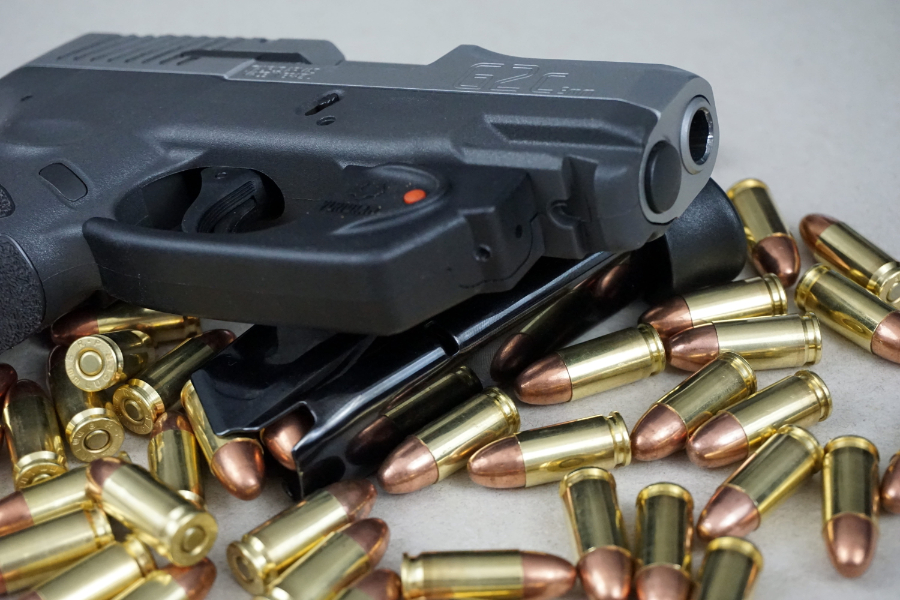
Conservative justices on the U.S. Supreme Court signaled strong skepticism toward a Hawaii law that restricts carrying handguns on private property open to the public without explicit permission from property owners, suggesting the court may once again expand gun rights. The case, argued on Tuesday, centers on whether Hawaii’s 2023 law violates the Second Amendment right to keep and bear arms.
Hawaii’s statute requires individuals with concealed-carry licenses to obtain “express authorization” before bringing handguns onto private property such as retail stores, restaurants, and other businesses open to the public. The law was enacted after Democratic Governor Josh Green signed it in response to the Supreme Court’s landmark 2022 decision in New York State Rifle & Pistol Association v. Bruen, which strengthened protections for carrying firearms outside the home.
Challengers to the law include three Hawaii residents with concealed-carry permits and a Honolulu-based gun rights group, supported by the Trump administration’s Justice Department. They argue the law effectively nullifies the Bruen ruling by presuming firearms are banned from most public-facing private property unless owners explicitly allow them.
During oral arguments, conservative justices repeatedly questioned whether Hawaii’s approach unfairly treats the Second Amendment as a lesser constitutional right. Chief Justice John Roberts and Justice Samuel Alito both expressed concern that the law imposes burdens not applied to other rights, such as free speech under the First Amendment. Justice Brett Kavanaugh also doubted whether historical firearm regulations support Hawaii’s restrictions.
Hawaii’s attorney, Neal Katyal, argued the law properly balances gun rights with long-standing property rights, emphasizing that the Constitution does not imply consent to carry weapons onto someone else’s property. However, conservative justices appeared unconvinced, particularly when Katyal cited post-Civil War “Black codes” as historical analogies, drawing sharp criticism from Justice Neil Gorsuch.
The court’s liberal justices largely defended Hawaii’s position. Justice Sonia Sotomayor questioned whether any constitutional right exists to carry firearms on private property without consent, while Justice Ketanji Brown Jackson emphasized that the Bruen test requires a comprehensive view of history, even if that history is uncomfortable.
A federal judge initially blocked the law, but the 9th U.S. Circuit Court of Appeals mostly upheld it, leading to the Supreme Court review. The court is expected to issue a decision by the end of June, a ruling that could significantly shape the future of gun laws nationwide.







