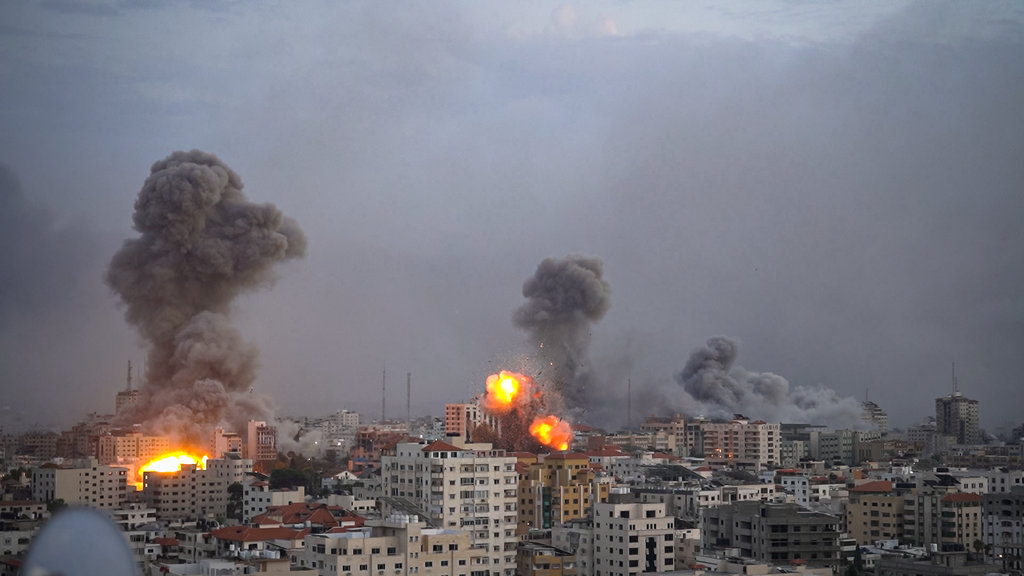
Syria’s deployment of troops to the southern province of Sweida triggered Israeli airstrikes this week, following a major miscalculation by Damascus. Believing it had tacit approval from both the U.S. and Israel, Syrian forces entered the Druze-majority area to quell clashes between Bedouin tribes and Druze militias. Sources, including diplomats and Syrian officials, told Reuters that Syria interpreted U.S. envoy Thomas Barrack’s public support for a unified Syrian state as a green light. However, the move backfired, with Israel striking military targets in Damascus and Sweida, citing its long-standing commitment to protect the Druze and uphold the demilitarized zone.
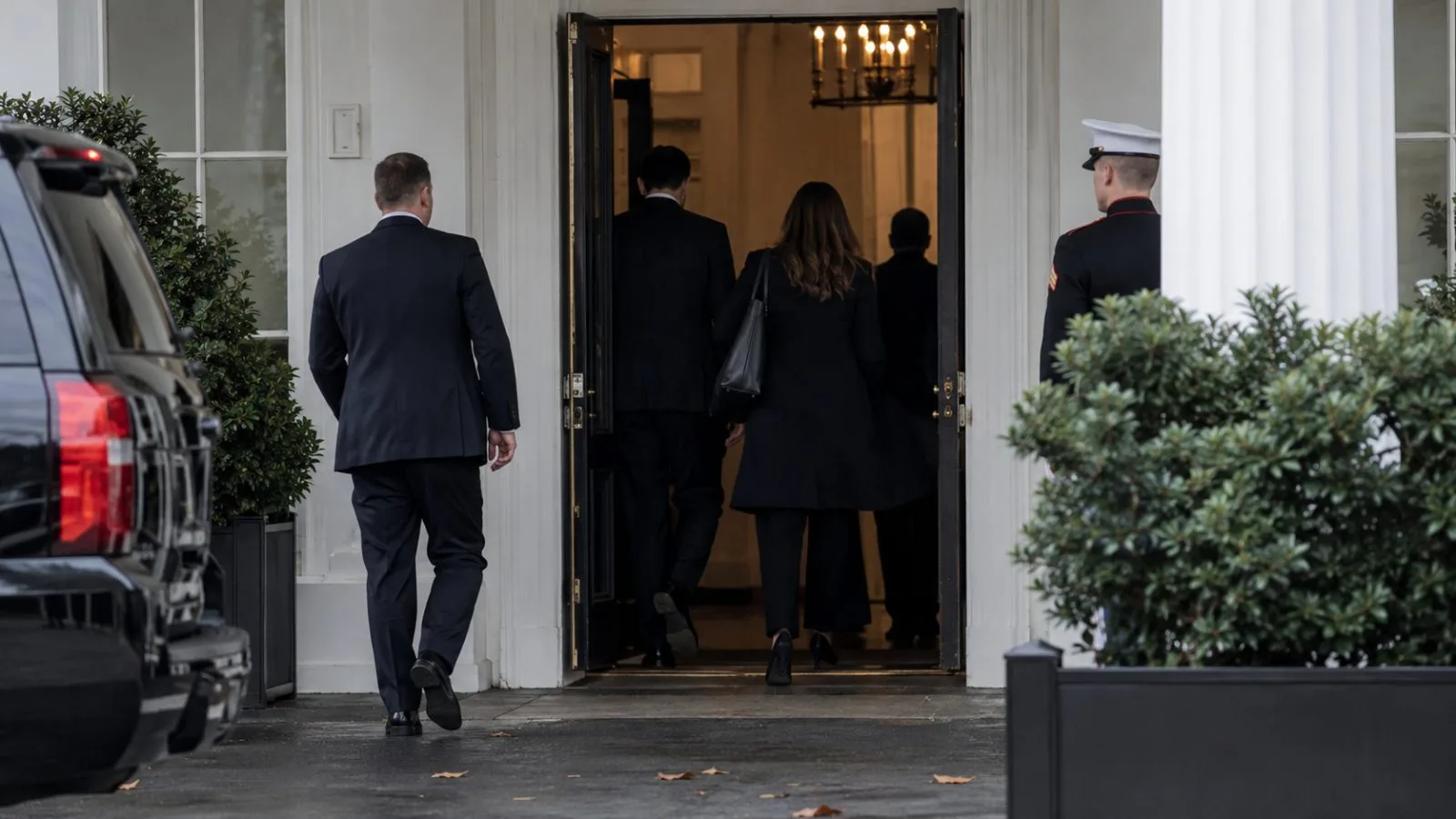
The misunderstanding reportedly stemmed from Syria's misreading of U.S. silence and recent security discussions with Israel, including in Baku. Syrian troops allegedly committed field executions and abuses against Druze civilians, prompting immediate Israeli retaliation. Prime Minister Netanyahu said Israel’s actions aimed to block Syrian forces and prevent a broader conflict. U.S. Secretary of State Marco Rubio later described the escalation as a "misunderstanding."
Damascus denied its decision was influenced by outside actors, stating its goal was to prevent civil war and protect civilians. However, analysts argue that Syrian President Ahmed al-Sharaa overplayed his hand, overestimating foreign support and control over his own fragmented military forces.
Human rights monitors report over 320 deaths, including women and children. Despite the violence, the U.S. clarified it did not back Israel’s strikes. Tensions remain high, with both Syria and Israel temporarily agreeing to limited Syrian troop access in Sweida. As mistrust deepens among Syria’s minority groups, regional officials warn the country risks further fragmentation unless diplomatic clarity and internal stability are restored.