


 Trump Denies Russia and China Are Helping Iran in U.S. Conflict
  Most Americans Oppose Election Betting on Prediction Markets, Poll Finds
  MI5 Warns of Rising Iran, Russia Threats and AI Bioweapon Risks
  Djibouti Migrant Boat Capsizes, Killing 139 and Leaving 84 Missing
  Trump Plans White House Shake-Up of Key AI Safety Agency
  US Senate Midterms 2026: Key Races That Could Flip Control
  Zelenskiy Seeks New US Talks to Revive Ukraine-Russia Peace Negotiations
  Trump Defends Russian Diesel Deal Amid US Sanctions Backlash
  North Korea Fires Ballistic Missiles as Tensions With South Korea Escalate
  Flavio Bolsonaro Backs Brazil’s 40-Hour Workweek Reform Ahead of Runoff
  India Voter List Protests Reach Supreme Court as Opposition Demands Election Chief's Resignation
  Kim Jong Un Showcases ICBM Ahead of Possible Trump Meeting
  US Authorities Raid Ilhan Omar’s Home Amid Immigration Fraud Probe
  Pakistan Declares Emergency in Khyber Pakhtunkhwa, Suspends Imran Khan’s PTI Government
  Mahmoud Abbas Postpones Palestinian Elections to September 2027
  Trump Warns Houthis Over Attacks, Considers Erdogan Intervention
  Jordan Bardella Antisemitism Allegations Threaten Le Pen’s Campaign


 Add as a preferred source on Google
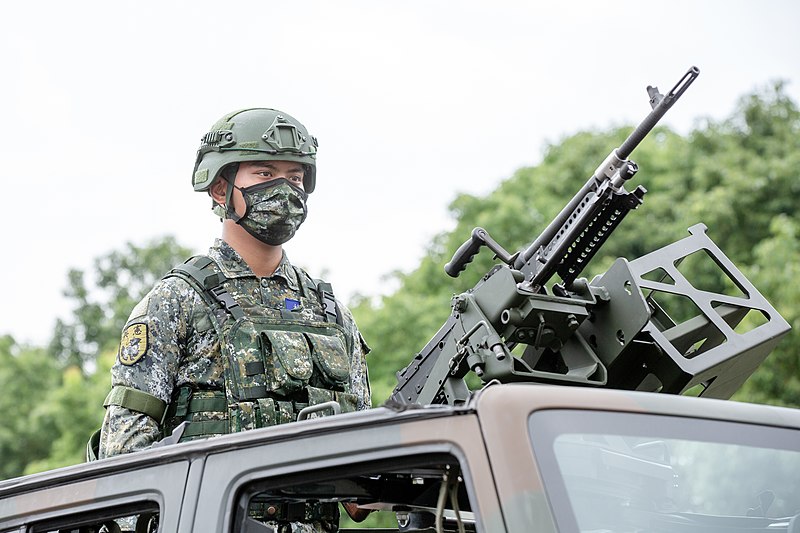
The island nation of Taiwan is currently bolstering its military capabilities in the midst of the ongoing war in Ukraine. Taiwan’s defense ministry said this week that there would be delays in the delivery of Stinger missiles from the US.
The defense ministry of Taiwan said Tuesday that there would be delays in the delivery of the Stinger anti-aircraft missiles from the US, according to Reuters. The deputy head of Taiwan’s army planning department Chu Wen-wu confirmed the reports at a news conference. Chu said that the Taiwanese army will continue to press the US to deliver their needed equipment on schedule, as was agreed in the contract.
“It is true that due to the changes in the international situation, there may be a risk of delayed delivery this year of the portable Stinger missiles,” said Chu. “The Army will coordinate with the full procurement plan and continue to require the US military to implement it normally in accordance with the contract.”
The contract was made in 2019 when the US approved the sale of 250 Stinger missiles manufactured by Raytheon Technologies to Taiwan. The delivery of the missiles was expected to be completed by 2026.
The missiles in question are in high demand in Ukraine, as Ukrainian forces have resisted Russia and its aircraft. However, the supply in the US is declining, and producing more of the missiles faces significant challenges.
Taiwan’s defense ministry spokesperson Sun Li-fang also said that the procurement of General Dynamics Corp M1A2 Abrams tanks was “normal” as the island nation is looking to purchase 108 such tanks, with delivery to be completed by 2027. Sun said that Taiwan’s air force is coordinating with Washington to make sure that the deliveries of the F-16 fighter jets are on schedule before 2026.
The island nation has voiced support for Ukraine and has joined in imposing sanctions on Russia while donating funds for Ukrainian refugees that were mostly raised by the public. Taiwanese foreign minister Joseph Wu spoke with Vitali Klitschko, the mayor of Ukraine’s capital Kyiv back in April, where Wu said that both the island nation and Ukraine’s democracies are on the front lines “of resisting authoritarian expansionism.”
At the time, Wu said that Taiwan was set to donate $3 million to Kyiv and $5 million to six medical institutions in Ukraine.







