


 Hong Kong’s Second Solana ETF Launches With Lower Fees
  Coinbase CEO Backs SEC Accredited Investor Reform
  Samsung, SK Hynix Shares Plunge as China Chip Competition Grows
  Ethereum Foundation-Linked Wallets Move $11.13M in ETH to Kraken
  FAA Warns US Airlines Over Saudi Arabia Flight Risks
  Bumble Shares Surge 50% on $1 Billion Buyout Talks
  South Korea Blocks 27 Crypto Exchange Websites in Regulatory Crackdown
  Moonshot AI Executives Seek Settlement Ahead of Hong Kong IPO
  TSMC Profit Set to Surge 65% as AI Chip Demand Drives Record Earnings
  PepsiCo Slashes Poppi Earnout Valuation as Growth Slows
  Canton Network Expands in South Korea With Major Partnerships
  Apple Supplier Luxshare Faces US Patent Probe, Sees Limited Impact
  Most Americans Oppose Election Betting on Prediction Markets, Poll Finds
  Morgan Stanley Predicts $10 Trillion RWA Market by 2030
  Arthur Hayes Announces FLOP Testnet Launch Within Weeks
  Nvidia’s China AI Chip Market Share Falls to 34% as Huawei Gains Ground


 Add as a preferred source on Google
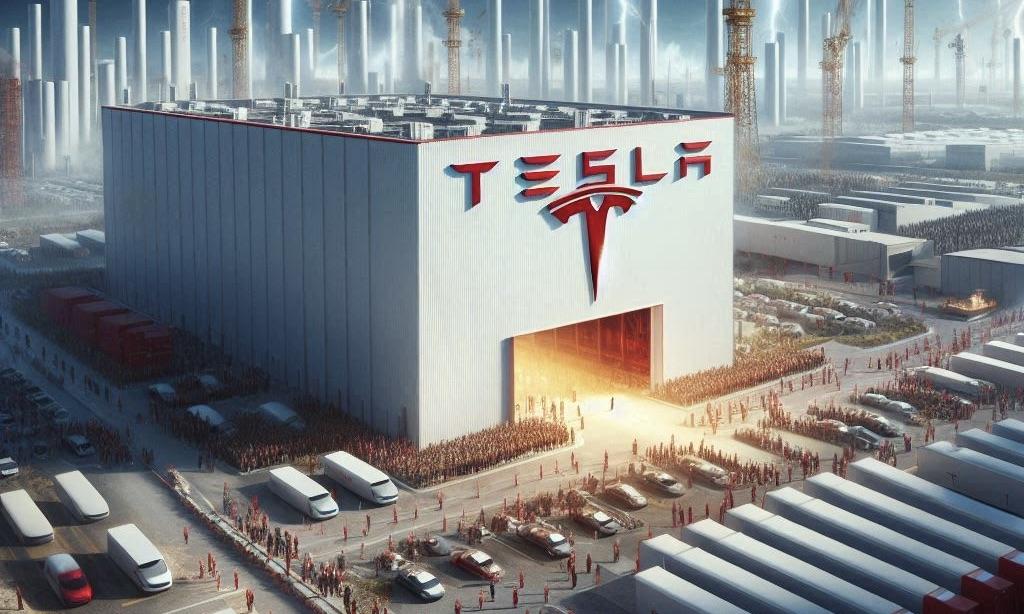
Tesla announced a suspension of its Gigafactory construction in Nuevo Leon, Mexico, during its Q2 Earnings Call, citing uncertainty surrounding the upcoming U.S. Presidential Election and potential tariffs on Mexican-made vehicles. CEO Elon Musk emphasized the need to assess the political landscape.
Tesla Suspends Mexico Gigafactory Amid Election Concerns and Potential Tariff Risks
During its Q2 Earnings Call on July 24, Tesla announced that the construction of its following North American Gigafactory location in Nuevo Leon, Mexico, has been suspended in anticipation of the upcoming U.S. Presidential Election.
The decision was made during the election season, as former President Donald Trump was gaining momentum. His policies would impose tariffs on automobiles manufactured in Mexico and imported into the United States.
During the Q2 Earnings Call, CEO Elon Musk, who has expressed his unwavering support for Trump and intends to vote for him in the upcoming election, confirmed that Gigafactory Mexico's plans are on hold.
“We’re currently on pause on Giga Mexico. I think we need to see just where things stand after the election…Trump has said that he will put heavy tariffs on vehicles produced in Mexico, so it doesn’t make sense to invest a lot in Mexico if that is going to be the case. So we will kind of need to see how things play out politically.”
Tesla to Boost Production at U.S. Plants in Austin and Fremont Amid Mexican Factory Delay
Musk and Tesla have confirmed that they will significantly increase the manufacturing rates at their two current U.S. plants, fostering optimism about the company's future growth and ability to meet demand, according to Teslarati.
The locations of these factories are Austin, Texas, and Fremont, California.
During the Earnings Call, Musk discussed the plans in detail:
“We are increasing capacity at our existing factories quite significantly, and I should say that the Robotaxi will get produced here at our headquarters at Giga Texas, as will Optimus towards the end of next year for Optimus production version two; the high-volume version of Optimus will also be produced here in Texas.”
Donald Trump's campaign significantly depends on prioritizing U.S. manufacturing and purchasing U.S.-built products. He also believes EV sales goals should be set aside, enabling consumers to select the powertrains they prefer rather than incentivizing them with subsidies and tax breaks.
Mr. Musk also stated during the call that Tesla would not be as adversely affected by a Trump presidency despite the potential for "devastation" to competitors.







