Tesla emerged victorious on Tuesday in the first U.S. trial concerning allegations that its Autopilot driver assistant feature resulted in a fatality. This verdict represents a significant triumph for Tesla as it faces multiple similar lawsuits nationwide.
Jury Verdict Marks Second Win for Tesla
This latest jury verdict marks Tesla's second major win this year, as juries have consistently declined to find the company's software defective, reports Reuters. Tesla has been actively testing and rolling out its Autopilot feature, as well as its more advanced Full Self-Driving (FSD) system.
The case, heard in a California state court, was filed by two passengers involved in a 2019 crash. They accused Tesla of being aware of Autopilot's defects at the time of sale, as per The Guardian. Tesla vehemently defended itself, attributing the crash to human error.
The 12-member jury unanimously announced that the vehicle involved in the crash did not possess a manufacturing defect. The final vote resulted in a 9-3 decision in Tesla's favor.
Riverside County Lawsuit Allegations
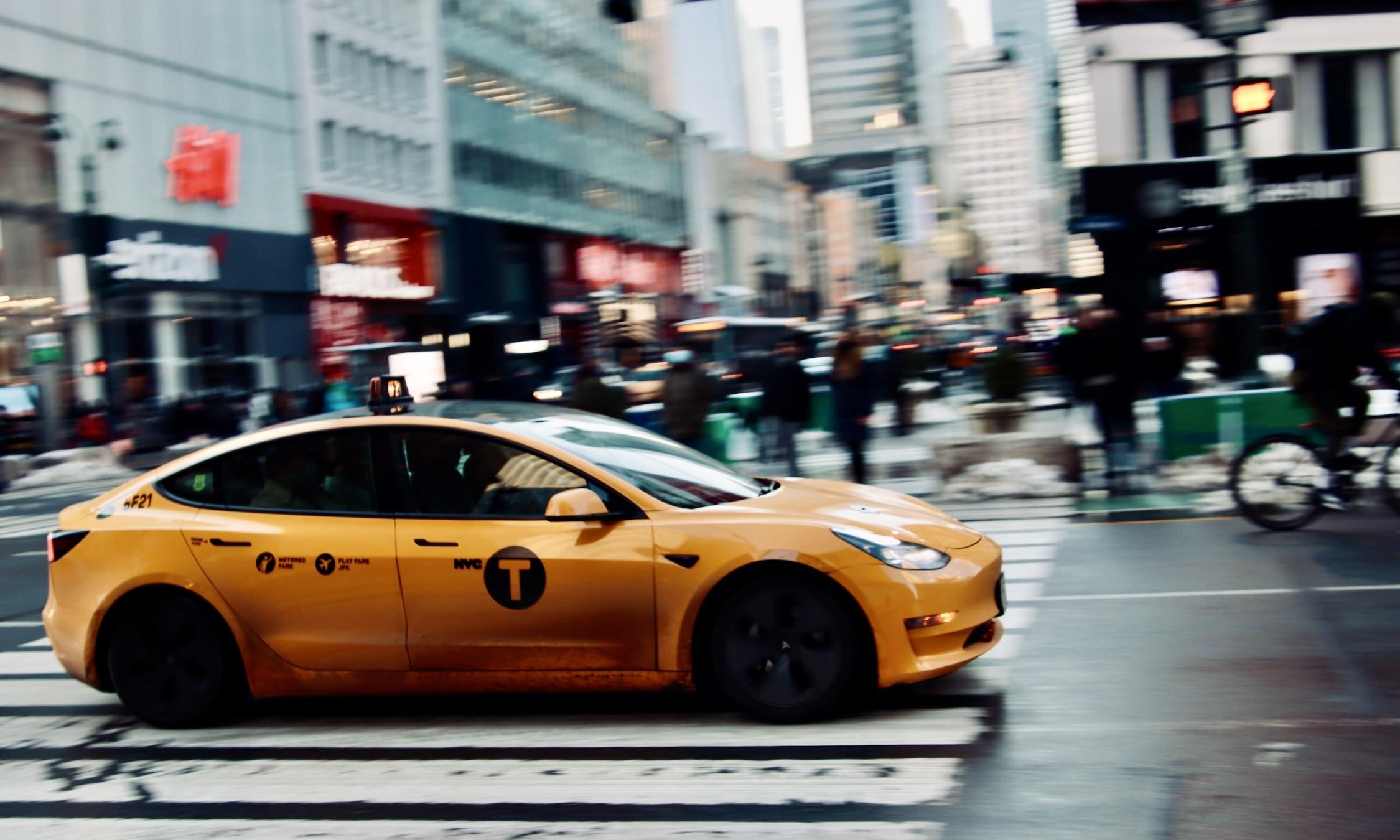
The civil lawsuit, filed in Riverside County Superior Court, asserted that the Autopilot system caused the owner's Model 3 to suddenly veer off the highway, striking a palm tree and resulting in a fiery crash, all within seconds.
Tesla steadfastly denied any liability, alleging that the owner, Micah Lee, had consumed alcohol before operating the vehicle. Tesla also contended that it was uncertain whether Autopilot was engaged at the time of the incident.
During the trial, the jury in Riverside was solely tasked with evaluating whether a manufacturing defect had influenced the steering mechanism.
Advocates for the plaintiffs presented a 2017 internal Tesla safety analysis, identifying an "incorrect steering command" as a potential defect involving an "excessive" steering wheel angle. However, Tesla's legal representation argued that the safety analysis was not indicative of a defect but rather aimed at addressing any hypothetical issues that might arise with the vehicle.
Tesla had previously won another trial in Los Angeles in April, arguing that their technology requires human monitoring despite the names "Autopilot" and "Full Self-Driving." Jurors believed that Tesla adequately warned drivers about the system and attributed the accident to driver distraction.
Photo: Paul Cuad/Unsplash