Thailand announced on Tuesday that it had launched operations to remove Cambodian forces allegedly encroaching on Thai territory, as renewed clashes continued to erupt along their long-disputed border. The confrontation marks the most serious escalation since a fragile ceasefire—brokered in July by then–U.S. President Donald Trump—halted five days of heavy fighting.
Both nations accuse each other of triggering the latest violence. Cambodia’s Defence Ministry reported two additional civilian deaths overnight, raising its total fatalities to six, while Thailand confirmed the death of one soldier. In a statement, the Thai Navy said Cambodian troops were detected inside Trat province, prompting Thai forces to respond. The statement also accused Cambodia of reinforcing its presence with snipers, heavy weapons, and newly dug fortified positions, calling the actions a “direct and serious threat” to Thailand’s sovereignty.
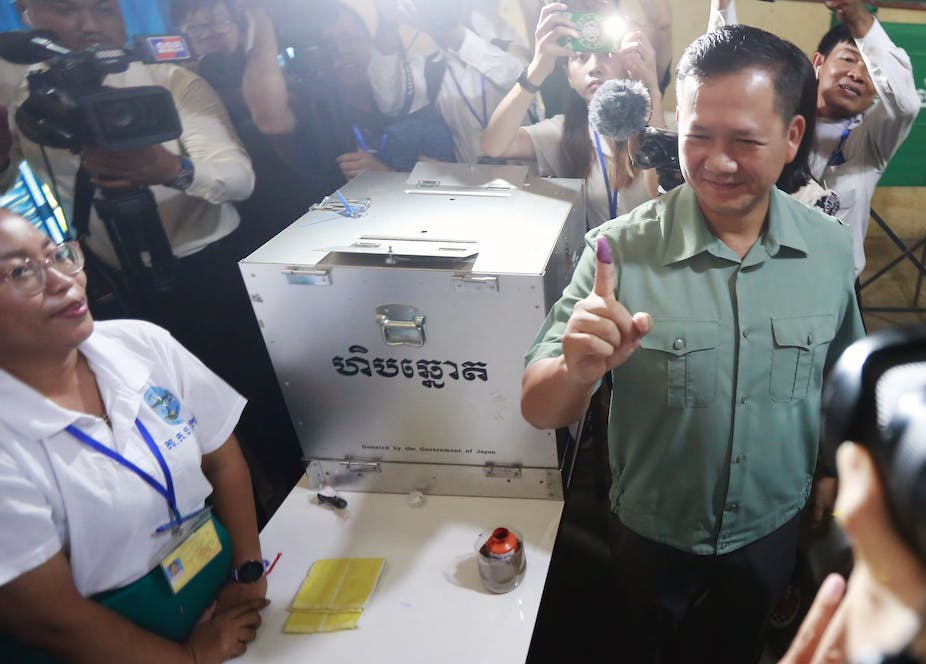
Cambodian Prime Minister Hun Manet condemned Thailand’s military response, warning Bangkok not to “use military force to attack civilian villages under the pretext of reclaiming its sovereignty.” Cambodia insisted it had not retaliated despite what it described as continuous attacks on its positions.
Monday’s clashes were the most intense since July’s artillery exchanges, which killed at least 48 people and displaced more than 300,000 before international mediation brought temporary calm. The renewed fighting has already forced Thailand to evacuate 438,000 civilians from five border provinces, while hundreds of thousands have been relocated on the Cambodian side. Thailand reported 18 wounded soldiers; Cambodia reported nine injured civilians.
The conflict stems from more than a century of unresolved territorial disputes along the two countries’ 817-kilometre (508-mile) border. Contentious areas near ancient temples have repeatedly fueled nationalist tensions, leading to periodic armed confrontations, including a deadly week-long exchange in 2011. The situation deteriorated further in May after a Cambodian soldier was killed in a border skirmish, sparking a military buildup and a sharp breakdown in diplomatic relations.
This latest escalation raises concerns of a prolonged conflict unless renewed mediation efforts succeed in restoring stability.