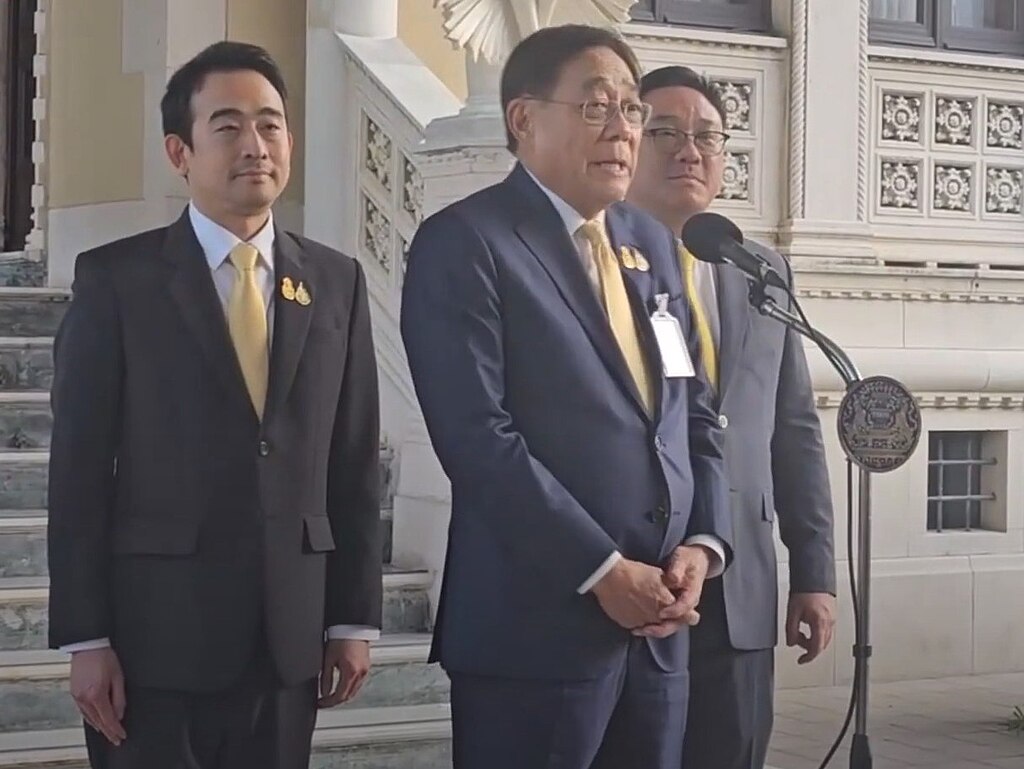
Thailand has submitted a revised trade proposal to the United States in a last-ditch effort to avoid steep tariffs, Finance Minister Pichai Chunhavajira confirmed on Monday. The move comes ahead of a looming July 9 deadline, when a 90-day pause keeping tariffs at a baseline of 10% expires. Without a deal, the U.S. has threatened to impose a 36% levy on Thai imports.
The United States remains Thailand’s largest export market, accounting for 18.3% of total shipments in 2024, valued at $54.96 billion. However, Washington cites a trade deficit of $45.6 billion with Thailand as a key concern. According to Pichai, the new proposal reflects feedback from recent talks in Washington, and he noted further adjustments could be made.
Thailand’s main exports to the U.S. include computers, telecommunication equipment, and rubber products, while it imports primarily crude oil, machinery, and chemicals. In a strategic energy alignment, Thai state-owned PTT Group inked a 20-year deal in June to purchase 2 million metric tons of LNG annually from Glenfarne’s Alaska LNG project, a $44 billion U.S.-backed initiative supported by President Donald Trump.
Pichai warned that Thailand’s GDP may grow just over 1% this year if tariffs are imposed. The Thai economy is already under pressure from weak consumer spending, high household debt, slowing tourism, and global trade uncertainty. Last month, the central bank projected 2025 GDP growth at 2.3%, following 2.5% in 2024—lagging behind regional peers.
Thailand’s efforts highlight the high stakes of global trade tensions as Southeast Asia’s second-largest economy seeks to avoid deeper strain from protectionist measures.