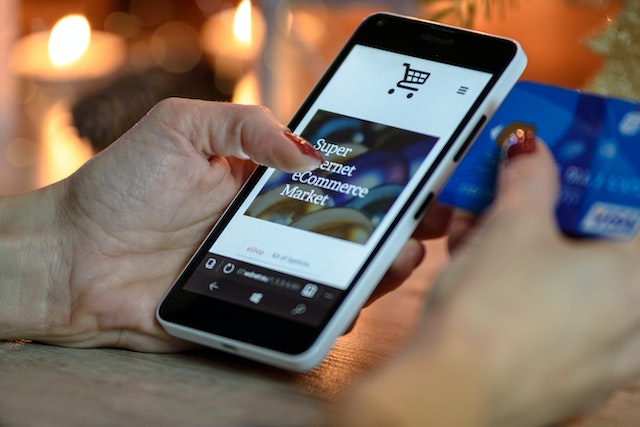
In recent years, there has been a significant rise in the number of people shopping online for goods and services. This trend has been driven by a number of factors, including the growing popularity of social media among others.
The rise of ecommerce has had a major impact on the retail sector, as more and more businesses are now selling their products and services online.
Ecommerce is also having a major impact on how people shop for goods and services. In particular, it is making it easier for people to compare prices and find deals. As a result, people are now spending less time and money on shopping trips.
Ecommerce: Why It's Taking Over and What This Means for Retailers
There are many reasons why ecommerce is taking over from traditional brick-and-mortar retail. One of them is convenience. It is now possible to buy almost anything you want from the comfort of your home.
Additionally, ecommerce businesses don't have the same overhead costs as traditional retailers. Moreover, there's more available funding for e commerce businesses these days. This makes it very easy for them to market and sell their products. Finally, ecommerce businesses can reach a global audience with ease. Anyone in the world with an internet connection can visit an ecommerce website and make a purchase online.
The rise of ecommerce has had a major impact on traditional retailers. Many have been forced to close their doors, and others are struggling to keep up with the competition.
How has ecommerce changed the way businesses operate?
The most obvious way is that businesses are able to reach a much wider audience than before.
With ecommerce, businesses can sell to anyone in the world who has an internet connection. This means that businesses have access to a much larger potential customer base than before.
In terms of logistics and inventory management, businesses no longer have to worry about keeping large amounts of inventory on hand. This helps to save on storage costs and makes it easier for businesses to keep track of their inventory levels.
Finally, with ecommerce, businesses can communicate with their customers directly through email, chat, and social media. This allows the businesses to provide better customer service overall.
How do businesses benefit from ecommerce?
Ecommerce provides a number of benefits for businesses, including the ability to reach a larger market, the ability to sell 24/7, and the ability to automate marketing and customer service. Additionally, ecommerce can help businesses save money on inventory and shipping costs.
Ecommerce is likely to continue growing , as more and more people take to online shopping.
This article does not necessarily reflect the opinions of the editors or management of EconoTimes