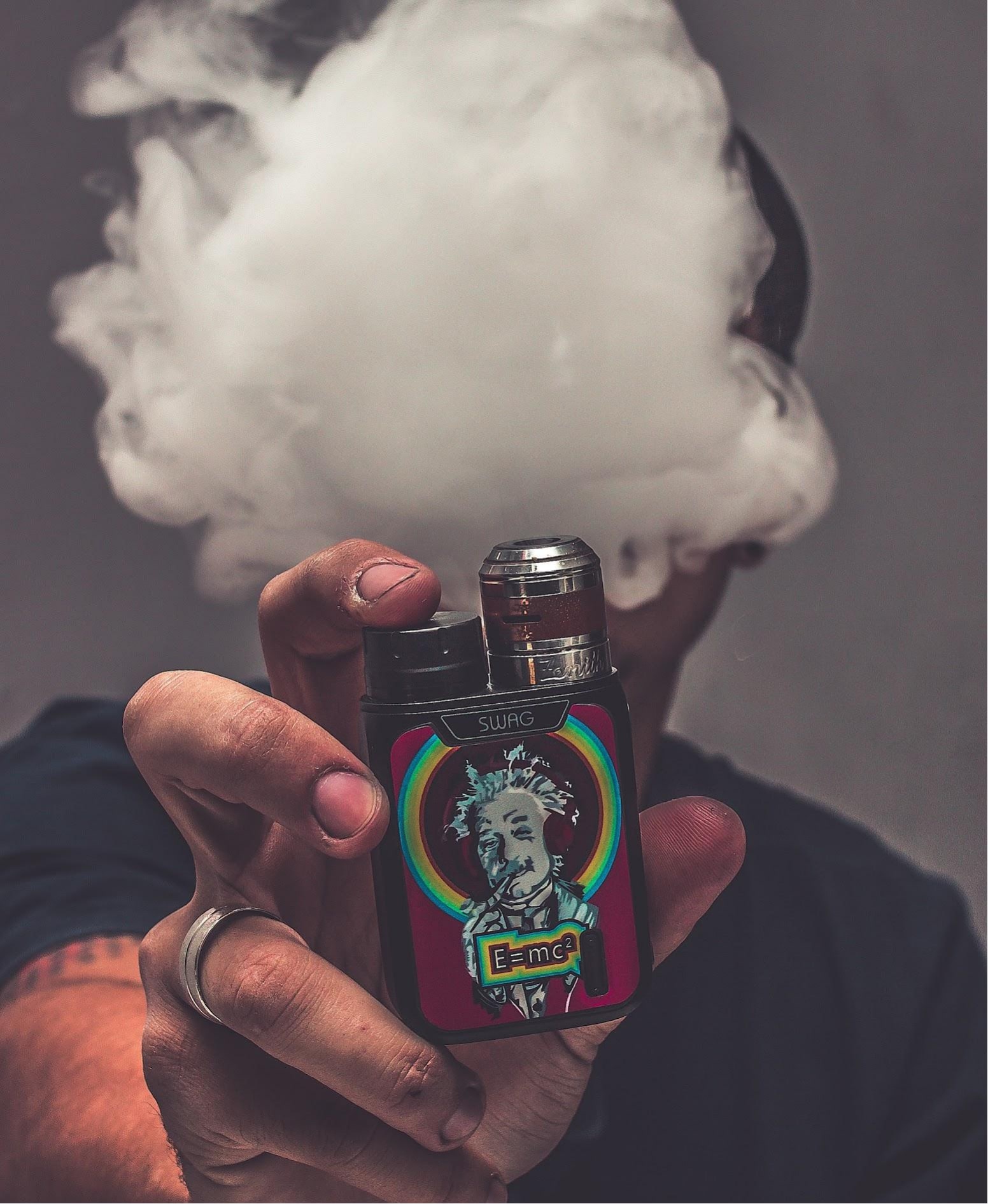
The vape industry is developing rapidly, and although it is a fairly new industry, it shows no signs of slowing down.
Vaping is described as the act of inhaling through the mouth from a battery-operated device, such as an e-cigarette. An e-cigarette is a handheld battery-operated vaporizer that mimics smoking. The e-cigarette provides behavioral features of smoke, including the hand-to-mouth action, but without burning tobacco.
The World Health Organization reports that the number of vapers in 2011 was seven million and by 2016 had grown to 35 million. It is estimated that the industry will reach 55 million vapers by 2021. The industry continues to show growth year after year and is projected to reach $47 billion by 2025. It’s estimated that one billion people in the world are tobacco smokers. While the number of smokers dwindles, vapers continue to grow steadily.
What’s driving the vaping industry? A key reason for the growth in the vape industry is that vendors are introducing new products, such as Heat-not-Burn devices, e-vapor, smoke vapes, smokeless tobacco products, cig-a-likes, and reduced risk products cigarettes. Although more testing is being done, the vaping industry offers another alternative to smoking than directly inhaling toxins.
The United States, Japan, and the U.K. are the biggest markets in the vapes industry. The World Health Organization reports a collective $16.3 billion was spent in the three countries on vaping products in 2016. It is clear that vaping is here to stay, it is being embraced as a substitute for smoking. Considering its growth, there are only a few vape-only companies that are publicly traded. At this time, big tobacco companies are the most publicly traded stocks in the market. Currently, Juul Labs Inc. owns most of the e-cigarette market with a share of 80% in the United States, but there are other major players to watch:
Big Tobacco Companies
Philip Morris International is one of the largest tobacco manufactures in the world. They have a global portfolio of leading cigarette brands and commercializing smoke – free alternatives. Philip Morris International is the leader in heat-not-burn development with IQOS (I Quit Ordinary Smoking), their heating device and Solaris their first e-vapor product. Philip Morris International has a market cap of $139.95 billion.
Altria Group Inc. is a major player in the domestic US tobacco market. Altria Group Inc. has secured distribution rights for Philip Morris International`s IQOS device. They also have 35 percent ownership of Juul Labs Inc., the leading e-vapor company. Altria Group Inc. has grown into the vaping market with its purchase of a minority stake in Avail Vapor, a chain of vape shops. Altria Group is operating with a market cap of $103.79 billion.
British America Tobacco is the manufacturer of the second biggest e-cigarette brands Vype, and iFuse. These lines have a big percentage of the market share. British American Tobacco purchased Reynolds America, a major player in the tobacco industry, and owners of the Vuse e-cigarette. The market cap for British American Tobacco is $91.73 billion.
Imperial Brands have made their mark with the acquisition of blue e-cigs, one of the most popular e-cigarettes on the market. The blue e-cigs brand is a favorite for new vapers. Imperial Brands has a market cap of $32 million.

Vaping Stocks
Turning Point Brands is a fast-growing publicly-traded company that focuses on the e-cigarette market. Turning Point Brands owns the Stokers brand of smokeless products, and a huge audience in the retail and distribution side with their acquisition of VaporBeast, a popular e-commerce website.
VAPE Holdings Inc. is a strict vape manufacturer focused on the e-cigarette. They design, market and distribute ceramic vaporization products under the HIVE ceramic brand. The HIVE Ceramics brand is an authorized dealer network of over 1,000 retail stores. Vape Holdings Inc. plans to acquire more vape brands in the future.
In Conclusion
Public concerns have increased about the health risks of tobacco. The big tobacco companies invest in research indicating that vaping is healthier than smoking. Vapes heat, rather than burn, the nicotine, this decreases the levels of harmful chemicals released. The tobacco companies claim adult smokers will find their transition towards vaping easier. The vaping industry is a way for the big tobacco companies to maintain their market share on adult smokers while attracting new customers with vape products.
There are a number of great stocks in the vape industry to invest in. However, the e-cigarette and vaping industry is still small, controlled by big tobacco, and packed with questions? It’s important to consult with a financial expert for concrete advice, before investing your money in any stocks. Investments in the stock market involve risk, it is important to do your research and never invest more than you are prepared to lose.
This article does not necessarily reflect the opinions of the editors or management of EconoTimes.