Australia is the world’s first country to legalise the medical use of psychedelics. But not everyone is sure the timing is right. There are still major issues to work out for this move to benefit those most in need.
In particular, there is the question of whether psychedelic medicines will be publicly subsidised, given the lack of data about their cost-effectiveness compared with other treatments.
From July 1 2023, authorised psychiatrists will be able to prescribe psilocybin and MDMA for post-traumatic stress disorder and psilocybin for treatment-resistant depression, to be used in conjunction with psychotherapy.
The Therapeutic Goods Administration (TGA), which regulates medicines and medical devices in Australia, made this decision in February, reclassifying psilocybin and MDMA from “Schedule 9” (prohibited substances, only legally available for use in research) to “Schedule 8” (controlled substances).
Many in the field were surprised. Advocacy group Mind Medicine Australia, which lobbied hard for the decision, was delighted. But mental health experts such as former Australian of the Year Patrick McGorry questioned the sufficiency of evidence.
The TGA considered the effectiveness and safety of psilocybin and MDMA, as the regulator is supposed to do, but not their cost-effectiveness. This is not a requirement of TGA approval processes, but it is for the regulatory bodies that must approve these treatments for a public subsidy.
The paucity of such evidence is going to be a high hurdle.
Will they be subsidised?
How much will such therapy cost? One estimate is $20,000 to $30,000, comprising the cost of the medication and therapists’ time for sessions.
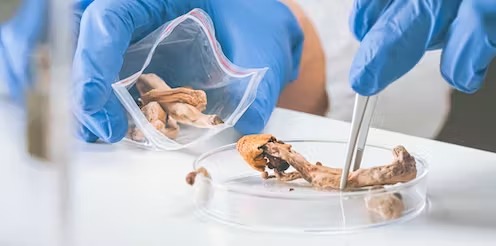
The pharmaceutical-grade psilocybin and MDMA used in Australian clinical studies has largely been supplied free by US-based not-for-profit organisations such as the Usona Institute and Multidisciplinary Association for Psychedelic Studies. The bureaucratic requirements to import these medications include a permit from the TGA and an import licence and permit from the Office of Drug Control.
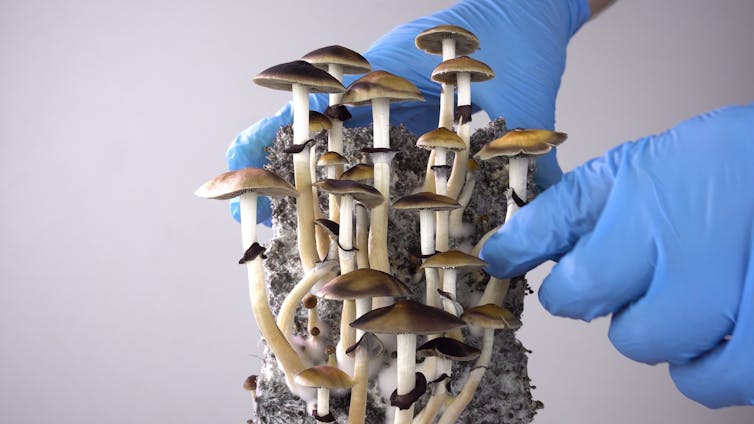
Australian clinical trials with psilocybin and MDMA have relied on imports provided free by not-for-profit research groups such as the Multidisciplinary Association for Psychedelic Studies in California. Shutterstock
Increasing supply will require streamlining these import controls. There is also work to be done on the potential for local production. But for now the major determinant of costs for patients will be if the medicines and therapy are subsidised, as many psychological treatments and most psychiatric medications are now.
A subsidy for the psilocybin/MDMA component will require approval by the Pharmaceutical Benefits Advisory Committee, the independent body of medical experts that advises the federal health minister on which drugs should be listed on the Pharmaceutical Benefits Scheme.
This will require a detailed submission (usually from the pharmaceutical supplier) explaining how the medicine will be prescribed, its effectiveness, safety and cost-effectiveness compared with alternatives. Submissions must also include budget impact analysis – that is, how much it will cost if the medicine is listed on the PBS.
A subsidy for the psychotherapy component will require listing on the Medicare Benefits Schedule, which funds services such as blood tests, diagnostics and allied health services. This will need endorsement from the Medicare Services Advisory Committee (MSAC), which is not a statutory committee like the Pharmaceutical Benefits Advisory Committee but has a similar function.
Are they cost-effective?
To date there are no published studies on psilocybin’s cost-effectiveness, and only three on MDMA – all on its use in treating PTSD.
The first of these studies was published in 2020, the second in February 2022 and the third in March 2022. All three used economic modelling to to simulate long-term benefits and costs of MDMA-assisted psychotherapy compared with standard health care, extrapolated from the results of clinical trials (involving a few hundred people).

Phase 3 clinical trials show therapy with MDMA and psychotherapy substantially reduces PTSD symptoms compared to psychotherapy and placebo. Shutterstock
All three conclude MDMA-assisted therapy is a potentially cost-effective treatment for people with chronic and severe PTSD. However, the modelling assumes the effects of MDMA-assisted psychotherapy taken from clinical trials of relatively short durations (with maximum follow up of 18 weeks) will extend over 10 to 30 years. This may be overly optimistic. They were also based on the treatment patterns and costs from the US that differ to those in Australia.
PBAC and MSAC will likely need to carefully weigh this type of evidence to make an assessment about cost-effectiveness.
Estimating ‘off-label’ use
Another issue to be carefully considered is how many people will likely use these medicines in routine practice. Such estimates are complicated by the risk of off-label use – psychiatrists prescribing psilocybin and MDMA for purposes not listed by the TGA.
An estimated 40–75% of anti-psychotic medicine use is “off-label”. For example, the anti-psychotic medicine quetiapine is registered for treating schizophrenia and bipolar disorder, but is often used off-label for conditions such as anxiety or insomnia. This is despite the rules for prescribing quetiapine (the prescriber must state why they are prescribing it).
Allowing only authorised prescribers of psilocybin and MDMA may reduce the risk but not eliminate it. It could mean the cost of the medicines to the health budget ends up being a lot higher than estimated.
The upshot of all this means, in practice, Australia is still a way off from offering a public subsidy for these psychedelic treatments. Which means, come July 1, the number of Australians able to afford these treatments will be small.