


 Ripple Chairman Chris Larsen Donates $22.5 Million Ahead of US Midterms
  Robinhood Chain Eyes Priority Gas Auctions for Faster Trades
  Apple Cuts iPhone 18 Pro Production Orders Amid Weak Demand
  Stellar Overtakes Ethereum in RWA Fund Inflows as XRP Leads Commodities
  Yandex Data Center Hit by Drone Strike as Russia-Ukraine Cyber Infrastructure Attacks Escalate
  Xiaomi Shares Surge 7.6% as SkyNomad EV Orders Hit 70,000
  Uber Exits Four African Markets Amid Rising Competition
  XRP Ledger Activates New Security Feature for Banks and Stablecoins
  Ledger Investigates Alleged $86 Million Crypto Wallet Theft
  Disney Expands Infinity Vision to Challenge Imax
  Trump Buys Up to $25M in Meta Stock, Invests in SpaceX Debt
  Oracle Uses Trucked Natural Gas to Power AI Data Centers Amid Pipeline Delays
  TSMC Profit Set to Surge 65% as AI Chip Demand Drives Record Earnings
  OpenAI Revenue Hits $50 Billion, Below Earlier $70 Billion Estimate
  MSTR Stock Rises as Barclays Raises Price Target to $175
  Amazon in Talks to Acquire AI Startup Decart for $7 Billion
  OpenAI Annualized Revenue Hits $50 Billion, Below Earlier Estimates


 Add as a preferred source on Google
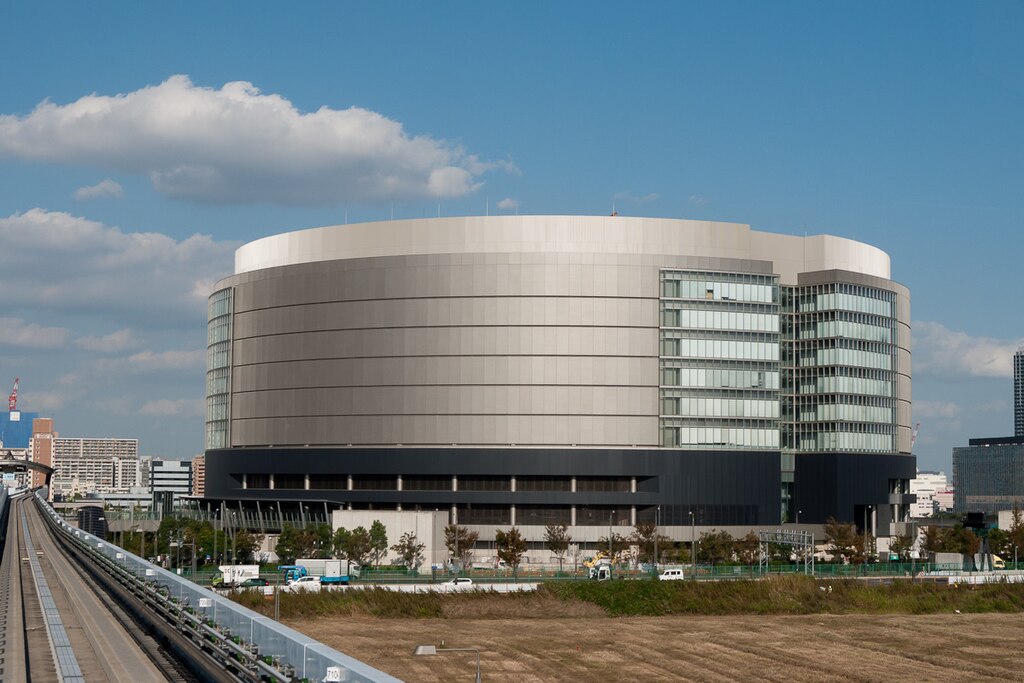
Shares of Tokyo Electric Power Company Holdings Inc. (TYO:9501), commonly known as TEPCO, rose sharply on Monday after the utility announced plans to restart a nuclear reactor at its Kashiwazaki-Kariwa power station, the largest nuclear power facility in the world by capacity. The announcement marked a significant milestone for the company, more than a decade after the Fukushima Daiichi nuclear disaster led to the shutdown of its entire nuclear fleet.
Tokyo-listed shares of TEPCO climbed as much as 9%, reaching 715 yen during morning trading, their highest level in roughly one month. Investor sentiment improved on expectations that the nuclear restart could materially strengthen the company’s earnings outlook and reduce its exposure to volatile global energy markets.
The Kashiwazaki-Kariwa nuclear power plant, located in Niigata prefecture, has long been viewed as a cornerstone asset for TEPCO. The company said it aims to restart one of its advanced boiling water reactors as early as later this month, subject to final approval from local authorities and continued progress in meeting Japan’s strict nuclear safety and regulatory standards. If approved, the restart would represent TEPCO’s first major step toward restoring nuclear generation capacity since the Fukushima crisis in 2011.
Restarting nuclear output is expected to significantly reduce TEPCO’s reliance on imported fossil fuels such as liquefied natural gas and coal. This shift could help stabilize operating costs and improve profit margins, particularly at a time when global energy prices remain volatile due to geopolitical tensions and supply uncertainties. Analysts also note that increased nuclear generation could strengthen Japan’s overall power supply resilience.
The planned restart aligns with Japan’s broader energy strategy to revive nuclear power in order to enhance energy security, curb carbon emissions, and lower dependence on costly fuel imports. As the government seeks to balance economic growth with climate commitments, nuclear energy is increasingly seen as a key component of the country’s long-term energy mix.
For investors, TEPCO’s progress at Kashiwazaki-Kariwa represents a potentially transformative development, signaling a gradual return to nuclear operations and a more stable financial outlook for the utility.







