
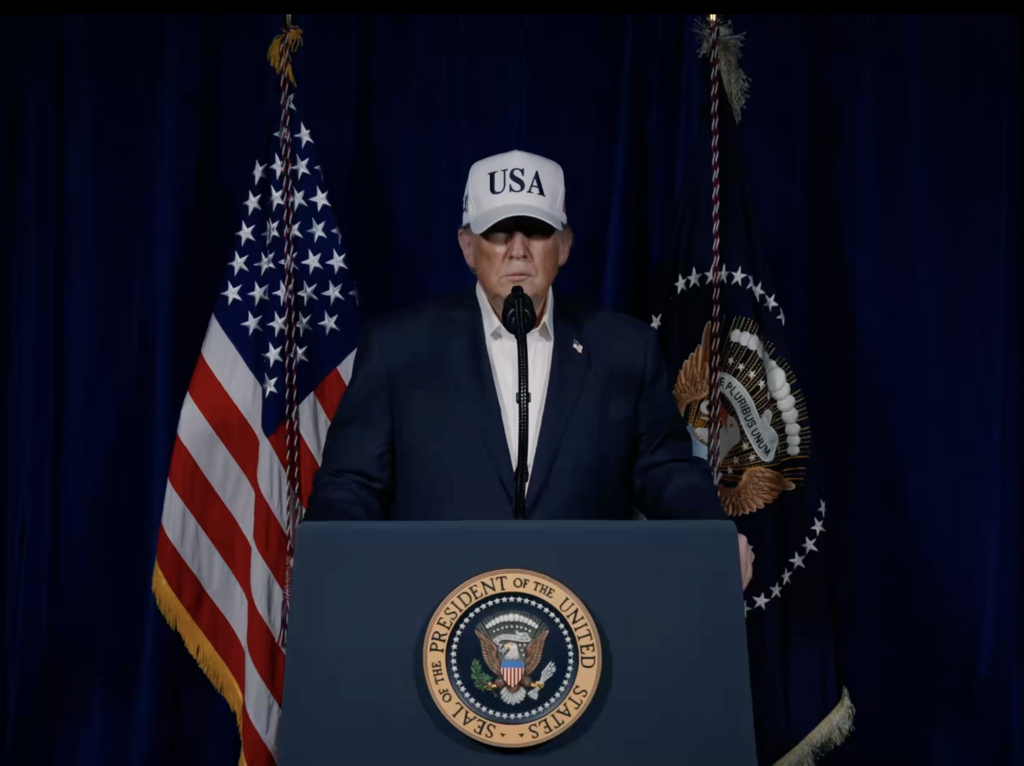
President Donald Trump issued a stark warning to NATO allies on Sunday, cautioning that the alliance faces a troubled future if European nations refuse to support U.S. military efforts in Iran. His remarks, published by the Financial Times following a telephone interview, signal a significant escalation in diplomatic pressure as tensions in the Middle East continue to rise.
The warning came one day after Trump called on major global powers — including China, France, Japan, South Korea, and the United Kingdom — to join a coordinated effort to reopen the Strait of Hormuz, a strategically critical waterway responsible for transporting roughly one-fifth of the world's oil supply. Iran closed the strait in direct retaliation against military strikes carried out by the United States and Israel.
"If there's no response or if it's a negative response, I think it will be very bad for the future of NATO," Trump stated, underlining the urgency he places on allied cooperation during the ongoing conflict.
Trump also turned his attention firmly toward Beijing, arguing that China bears particular responsibility given its heavy reliance on Persian Gulf oil exports. He noted that China sources approximately 90 percent of its oil through the strait, making its cooperation essential to any resolution. The president even suggested he may postpone a planned late-March summit with Chinese President Xi Jinping if Beijing does not act swiftly, warning that "waiting until the summit would be too late."
High-level diplomatic discussions between U.S. and Chinese officials took place in Paris over the weekend, reflecting the urgency surrounding the crisis. Iran remains a leading oil supplier to China, adding another layer of complexity to negotiations.
As global energy markets watch closely, the standoff over the Strait of Hormuz is rapidly becoming a defining test of international alliances and economic interdependence.


