Israeli and Lebanese officials are reportedly moving toward direct negotiations aimed at establishing a lasting ceasefire, with the central objective of disarming Hezbollah. Two Israeli officials confirmed the anticipated talks, though both the timing and final terms remain unsettled. Lebanon is currently assembling a delegation, but no official meeting date has been confirmed. Beirut has also stressed the need for clarity on whether Israel will honor Lebanese President Joseph Aoun's primary condition — a full ceasefire before any formal negotiations can begin.
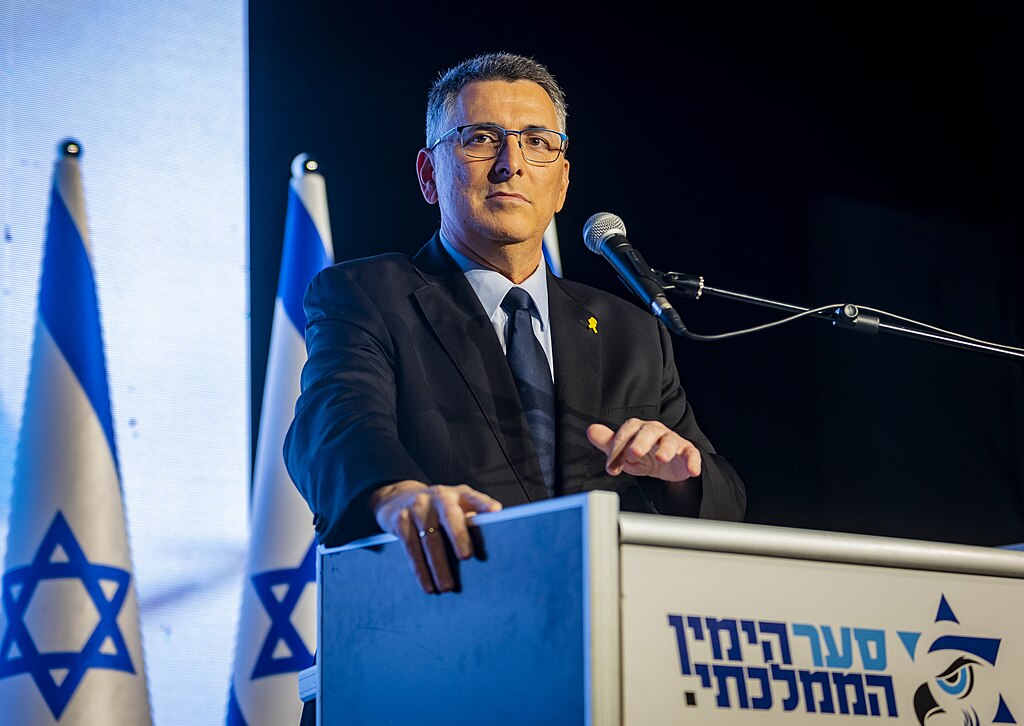
While Israeli Foreign Minister Gideon Saar publicly denied that talks were underway, reports from Israeli newspaper Haaretz and other sources suggest otherwise. Ron Dermer, a close confidante of Prime Minister Benjamin Netanyahu and former minister of strategic affairs, is said to be leading the Israeli side of the negotiations. France has also been cited as playing a facilitative role in the initiative. Israel's Army Radio further reported that Dermer traveled to Saudi Arabia last week to lay the groundwork for discussions, expected to commence once the current military campaign against Hezbollah concludes.
The conflict escalated on March 2 when Hezbollah launched strikes against Israel, claiming retaliation for the killing of Iran's supreme leader. Israel's retaliatory offensive has since claimed more than 800 lives in Lebanon and displaced over 800,000 residents. An Israeli official indicated that military operations could intensify even as tensions with Iran begin to ease.
Domestically, Lebanon faces growing internal divisions over Hezbollah's armed presence. The Beirut government recently moved to ban Hezbollah's military activities, a decision the group openly defied by continuing to fire rockets into Israeli territory. Despite this, President Aoun has signaled Lebanon's willingness to pursue direct diplomatic engagement with Israel, reflecting a broader push for a negotiated resolution to the ongoing conflict.