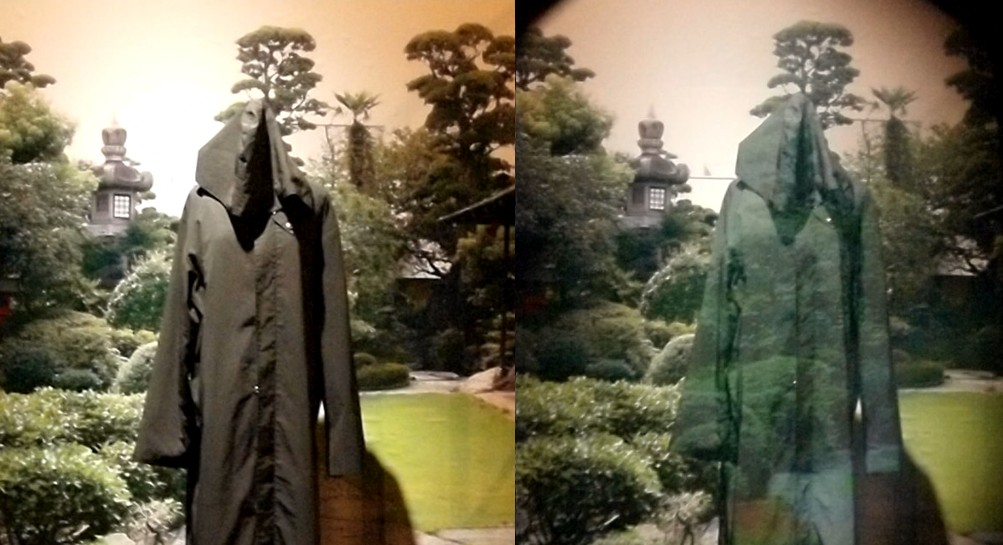
Cloaking technology is something that has long been theorized, dreamed of, and imagined, but has never really come to pass. Well, Toyota might be the first to actually bring such a technology to the masses since it recently acquired a patent for just such a project. Obviously, it will be applied to its cars, which should cause no small amount of excitement.
Before anyone gets too excited, however, this is not a technology that is meant to turn the entire car invisible. Instead, it’s meant to turn the car’s A-pillars transparent so that drivers will have a much bigger field of vision, Futurism reports.
It’s not exactly a secret that an impeded field of vision while driving is a huge risk factor. It often becomes the difference between a fatal road accident due to drivers being unable to see another vehicle coming at high speeds due to a bad angle, and being able to evade it in time.
What makes this case ironic, however, is the fact that A-pillars have actually gotten bigger due to government safety standards becoming stricter. Bigger pillars might be stronger and thus more resistant to impacts, but they also present a much bigger obstruction.
According to the patent that Toyota just submitted, the technology that it is planning to use involve mirrors bending invisible light, thus rendering the body of the pillars transparent. If applied, this would make it more affordable than current cloaking technologies available, which make use of expensive cameras.
“Light from an object on an object-side of the cloaking device [i.e., facing the road] is directed around an article [the A-pillars] ]within the cloaking region and forms an image on an image-side of the cloaking device [i.e., facing the driver’s seat] such the article appears transparent to an observer looking towards the object,” the patent reads.