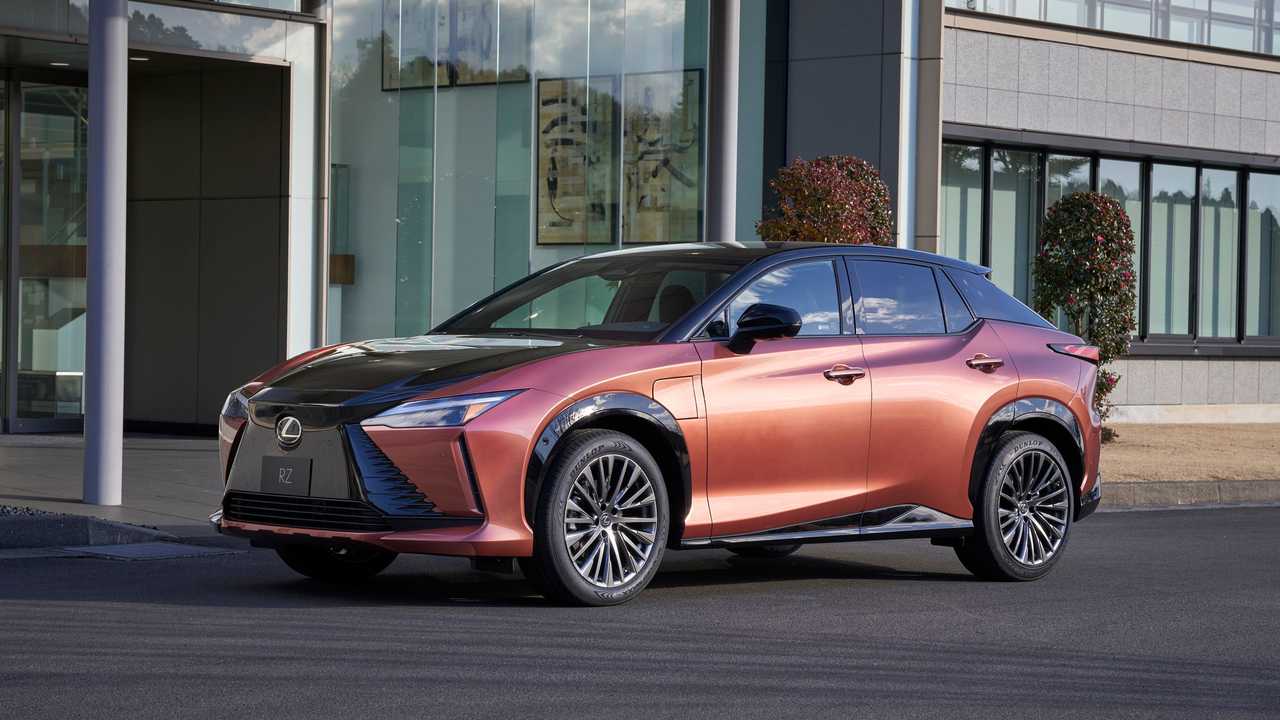
Toyota Motor Corp. is launching the all-new Lexus RZ, the first EV-only model from its high-end brand, to plug into the luxury electric vehicle (EV) market.
By 2030, Lexus wants all of its automobiles sold in Europe, North America, and China to be electric vehicles.
The Lexus RZ is a popular SUV type that was built especially as an electric vehicle model and has a cruising range of up to 450 kilometers on a full charge.
Toyota intends to release the electric vehicle in the winter or beyond that, and will announce the price and distribution locations later.
The company said in December that by 2030, it aims to sell 3.5 million electric vehicles worldwide.
The Lexus brand will account for one million of these, dominating the automaker's EV sales.
Toyota has also established a target of having all Lexus vehicles sold worldwide powered by electricity by 2035.



Novo Nordisk and Eli Lilly Cut Obesity Drug Prices in China as Competition Intensifies
Federal Reserve Begins Treasury Bill Purchases to Stabilize Reserves and Money Markets
SoftBank Completes $41 Billion OpenAI Investment in Historic AI Funding Round
Parents abused by their children often suffer in silence – specialist therapy is helping them find a voice
Anghami Stock Soars After Strong H1 2025 Results, Revenue Nearly Doubles on OSN+ Integration
Glastonbury is as popular than ever, but complaints about the lineup reveal its generational challenge
U.S. Stock Index Futures Steady as Markets Await Fed Policy Clues in Holiday-Thinned Trade
Vietnam’s EV Taxi Giant GSM Eyes Hong Kong IPO With $2–3 Billion Valuation
Columbia Student Mahmoud Khalil Fights Arrest as Deportation Case Moves to New Jersey
Royalty Pharma Stock Rises After Acquiring Full Evrysdi Royalty Rights from PTC Therapeutics
Office design isn’t keeping up with post-COVID work styles - here’s what workers really want
South Korea Inflation Rises to 2.3% in December, Matching Market Expectations
European Markets Mixed as Pound Weakens and Major Corporate Deals Emerge
Yes, government influences wages – but not just in the way you might think
AI is driving down the price of knowledge – universities have to rethink what they offer 


