


 France Targets Shein, Temu With Fast-Fashion Fees
  Nvidia-Groq AI Chip Deal Faces U.S. Antitrust Probe
  Trump Grants Clemency to Jay-Z Associate Emory Jones
  Global Poll Shows Rising Trust in Institutions as US-China Leadership Support Falls
  ICE Agent Arrested in Minneapolis Over Venezuelan Man Shooting
  Ukraine Races to Counter Russia’s Faster Jet-Powered Drones
  FDA Weighs Safety Standards for Psychedelic Therapies
  U.S. Imposes New Visa Restrictions Over South Africa Policies
  US Resumes Immigrant Visa Processing for Hungary, Poland
  US-China Experts Push AI Nuclear Safeguards to Prevent Military Escalation
  Europe can’t achieve space sovereignty alone. Here’s why
  US Judge Dismisses Imran Ahmed Deportation Lawsuit
  SEC Seeks ISS Client Voting Records in Proxy Adviser Probe
  Saudi Arabia Shuts East-West Oil Pipeline After Drone Attack
  Australia Plans New Rules Giving Users Control Over Social Media Feeds
  France Urges Faster AI Push Despite Safety Risks
  Trump Eyes End to Iran War, Plans Gulf Leaders Meeting


 Add as a preferred source on Google
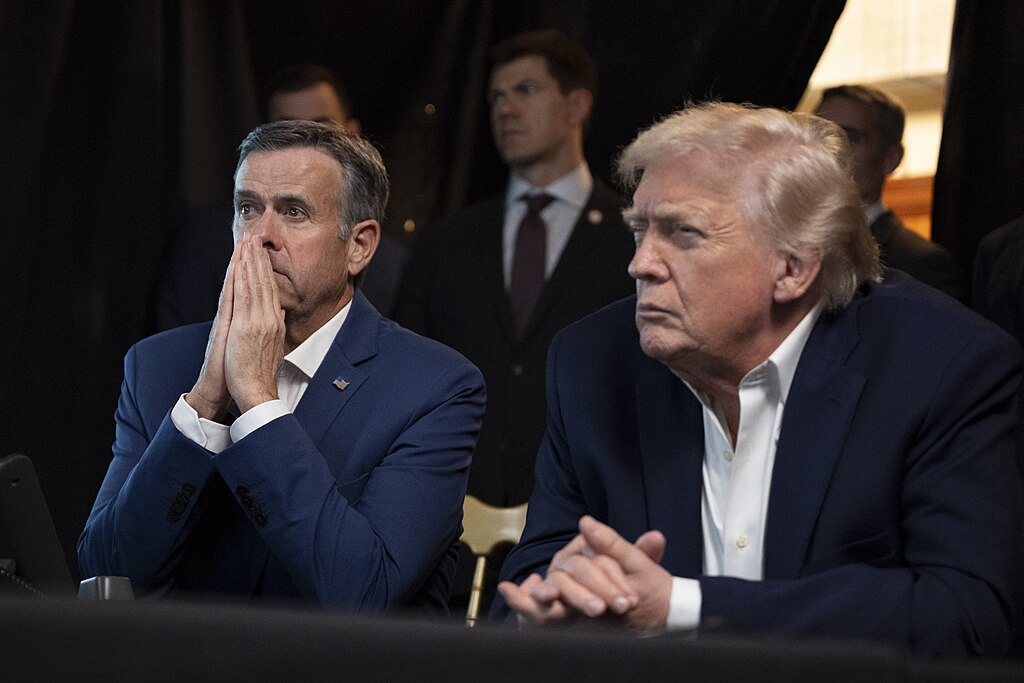
U.S. President Donald Trump announced that the United States will withdraw from dozens of international and United Nations-affiliated organizations, citing concerns that many of them operate against U.S. national interests. According to a memo sent to senior administration officials, the plan includes exiting 35 non-U.N. groups and 31 U.N. entities as part of a broader review of America’s involvement in international institutions.
Among the most significant withdrawals is the U.N. Framework Convention on Climate Change (UNFCCC), widely regarded as the foundation of global climate governance and the parent agreement to the 2015 Paris climate accord. If completed, the move would make the United States the first country to leave the UNFCCC, a treaty to which every other nation remains a party. Climate advocates argue that stepping away reduces U.S. influence over global economic and environmental policy tied to climate change.
The United States will also withdraw from UN Women, the U.N. agency dedicated to promoting gender equality and women’s empowerment, as well as the U.N. Population Fund (UNFPA), which supports family planning, maternal health, and child health programs in more than 150 countries. U.S. funding for UNFPA had already been cut last year.
The memo states that for U.N. entities, withdrawal means ending participation and funding to the extent allowed by law. The Trump administration has already sharply reduced voluntary U.S. contributions to many U.N. agencies. The White House described the affected organizations as promoting “radical climate policies, global governance, and ideological programs” that conflict with U.S. sovereignty and economic priorities.
This decision aligns with Trump’s long-standing skepticism toward multilateral organizations. Since the start of his second term, the administration has halted engagement with the U.N. Human Rights Council, extended a funding freeze to UNRWA, exited UNESCO, and announced plans to leave the World Health Organization and the Paris climate agreement.
Other entities on the withdrawal list include the U.N. Conference on Trade and Development, the International Energy Forum, the U.N. Register of Conventional Arms, and the U.N. Peacebuilding Commission. The White House said the goal is to redirect U.S. taxpayer dollars toward initiatives that more directly and efficiently serve American interests.







