The Trump administration has reached a landmark settlement that prohibits three major federal agencies from coercing social media platforms into removing or suppressing constitutionally protected speech. The agreement, filed Tuesday in a Louisiana federal court, brings closure to a high-profile First Amendment case that previously escalated all the way to the U.S. Supreme Court under the Biden presidency.
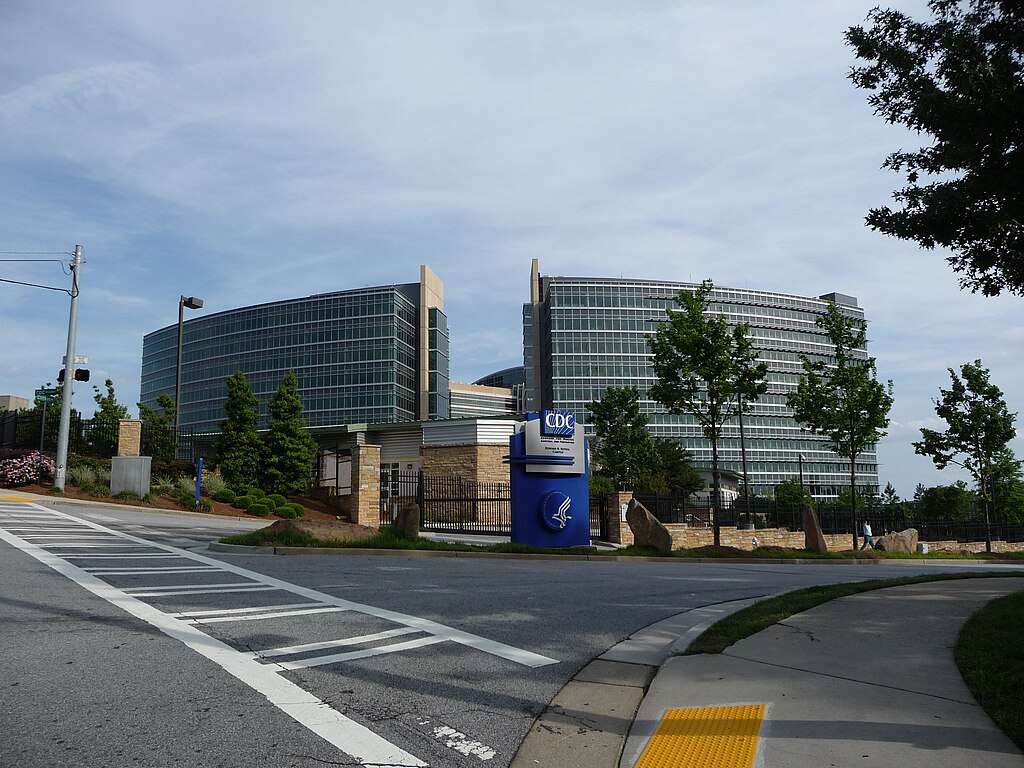
The lawsuit was originally filed by Missouri, Louisiana, and several individual plaintiffs, who accused the Biden administration of unlawfully pressuring major social media companies to censor content related to COVID-19 and the 2020 presidential election. Under the newly reached settlement, the Surgeon General's office, the Centers for Disease Control and Prevention (CDC), and the Cybersecurity and Infrastructure Security Agency (CISA) are now legally barred for a decade from threatening social media companies with legal, regulatory, or economic consequences in exchange for content removal.
Attorney John Vecchione, representing several plaintiffs, hailed the outcome as a powerful win for free speech in America. The settlement aligns with President Trump's January executive order, which formally accused the previous administration of suppressing citizens' First Amendment rights to advance government-preferred narratives on critical public issues.
Notably, the agreement does not restrict government officials from publicly challenging or correcting misinformation — it solely prohibits coercive tactics that could force platforms into compliance. Major platforms including Meta's Facebook, Google's YouTube, and X were not named as defendants but are indirectly affected by the ruling's broader implications for online speech policy.
This resolution arrives roughly two years after the Supreme Court voted 6-3 to overturn a lower court decision that had sought to limit how federal officials communicated with social media companies. The settlement marks a significant development in the ongoing national debate over government influence, digital censorship, and free expression online.