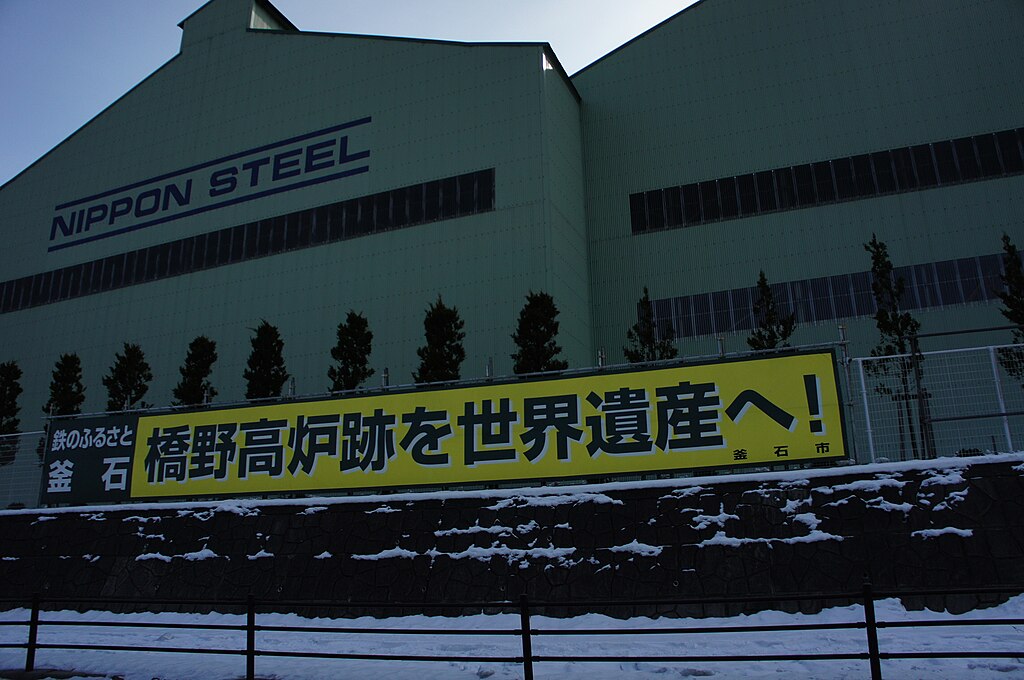
A critical U.S. national security panel has submitted its recommendation to President Donald Trump regarding Nippon Steel’s contested $14.9 billion acquisition of U.S. Steel, according to a source familiar with the matter. While the content of the Committee on Foreign Investment in the U.S. (CFIUS) recommendation remains undisclosed, it follows an executive order signed by Trump last month directing CFIUS to assess whether proposed corporate measures address previously identified national security concerns.
Trump now has 15 days to review the recommendation and decide whether to allow the deal to proceed. However, the timeline may be extended. The Treasury Department, which leads CFIUS, along with Nippon Steel and U.S. Steel, have not commented on the latest development.
The deal, originally blocked in January by then-President Joe Biden due to national security risks, has sparked legal action from the companies involved, who argue the review process was unfair. The Biden administration denied the allegation.
In response to U.S. government concerns, Nippon Steel has reportedly pledged to invest up to $14 billion in U.S. Steel operations, including a proposed $4 billion investment in a new steel mill, if the merger is approved. This commitment aims to ease regulatory concerns and demonstrate the company's intent to support American manufacturing.
Under the April directive, CFIUS was also required to include a detailed statement outlining the position of each participating agency and the rationale behind their stance.
The outcome of Trump’s decision could significantly impact the future of U.S. steel production, foreign investment policy, and broader U.S.-Japan economic relations. The final ruling is now under close watch by both the steel industry and international trade observers.