


 Trump Targets 1,000 U.S. Space Launches Annually by 2030
  FCC Steps Up China Tech Crackdown as Beijing Pushes Back
  Australia Plans New Rules Giving Users Control Over Social Media Feeds
  China Expands Influence in Global Gold Market
  Israel Strikes Southern Lebanon After Hezbollah Drone Attack
  Hungary Industrial Output Beats Forecasts With 4.7% July Growth
  Iran Threatens US With ‘Economic Warfare’ as Gulf Tensions Rise
  Putin Meets US Envoys in Moscow as Ukraine Peace Push Intensifies
  ECB Set for September Rate Hike as Energy Prices Fuel Inflation
  Iran Vows Tougher Response as US Sanctions Squeeze Economy
  Lavrov Accuses Germany of ‘Declaring War’ on Russia
  Ecuador Backs U.S. Sinking of Vessels in Pacific Anti-Drug Operation
  Iran Allows Iraqi Oil Tankers Through Strait of Hormuz
  Cuba Says No US Talks as Blockade Costs Hit $8.1 Billion
  USS Abraham Lincoln Leaves Thailand After Five-Day Port Visit
  Trump Imposes New Tariffs on Drone Imports Over US Security Concerns
  Trump Orders Reduction in U.S.-South Korea Military Drills, Citing Kim Jong Un Ties


 Add as a preferred source on Google
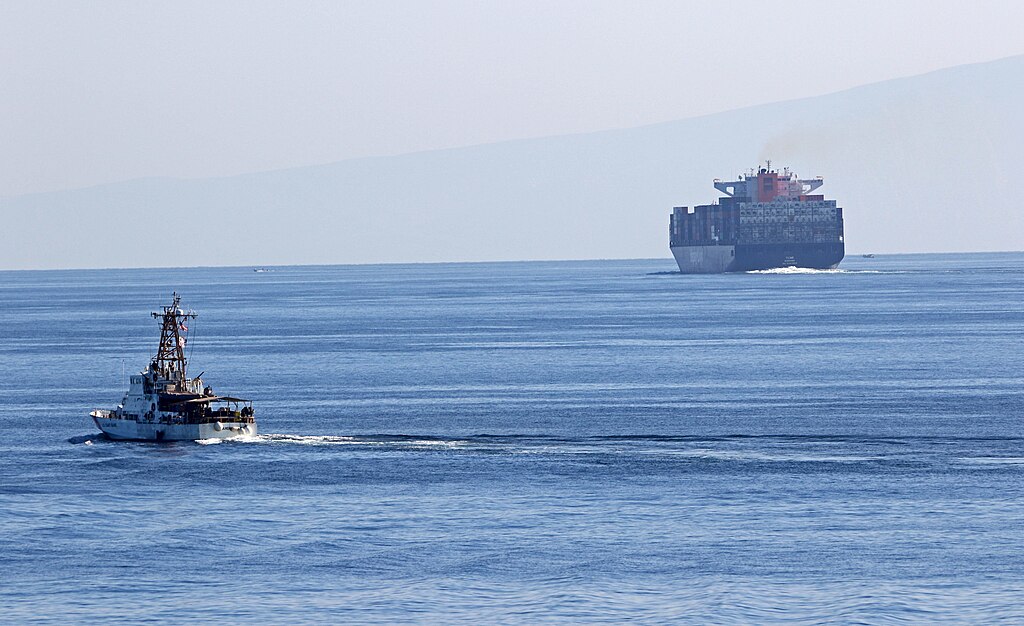
President Donald Trump escalated U.S. military pressure on Iran Saturday, delivering a stark 48-hour ultimatum demanding Tehran fully reopen the Strait of Hormuz or face devastating strikes on the country's largest power plants. The warning, posted on social media, threatened the "obliteration" of Iran's civilian energy infrastructure if the strategic waterway remains blocked.
The ultimatum comes amid weeks of mounting maritime instability that has effectively shut down one of the world's most critical oil shipping lanes. The Strait of Hormuz serves as the primary transit corridor for roughly 20% of global crude oil and liquefied natural gas supplies, making its closure a major trigger for international energy market volatility.
Trump's latest threat represents a notable strategic shift — moving away from targeting military assets toward Iran's domestic power grid, a move analysts say is designed to maximize pressure on Iranian leadership. The President claimed the ongoing military campaign is running "weeks ahead of schedule" and has already significantly degraded Iran's naval and aerial capabilities, dismissing any suggestion that initial objectives haven't been met.
Despite signals from the White House that Iran may be open to negotiations, Trump publicly rejected talks at this stage, demanding unconditional access to the Strait before any diplomatic engagement. A strike on Iranian power infrastructure would likely deepen the regional energy crisis and further complicate the path toward a peaceful resolution.
Global commodities markets are already feeling the strain. Tanker traffic through the Strait has dropped to near zero, forcing major Persian Gulf oil producers to reduce output sharply. With the 48-hour deadline now in effect, energy traders and geopolitical analysts are closely watching whether Iran's response will ease or intensify one of 2026's most significant international crises.







