


 Trump Sanctions International Criminal Court, Sparking EU Backlash
  Pakistan Declares Emergency in Khyber Pakhtunkhwa, Suspends Imran Khan’s PTI Government
  US Government Moves $1 Billion in Bitcoin Amid Sale Speculation
  Trump Orders Firing Squad Execution for Fort Hood Gunman
  Trump Weighs FBI Probe Into Nolan Wells’ Death
  Kalshi CEO Defends Federal Oversight Amid Prediction Markets Legal Battle
  France to Release 10 Million Barrels of Diesel to Ease Fuel Prices
  US Suspends Microsoft, Adobe From Green Card Program
  Apple Supplier Luxshare Sees Limited Impact From US Patent Probe
  US Authorities Raid Ilhan Omar’s Home Amid Immigration Fraud Probe
  Trump Opens Tax-Exempt Dyed Diesel Access as Fuel Prices Surge
  Bank of America Hit With $1.2 Billion Fine Over Money Laundering Failures
  San Francisco Halts New Data Center Construction With 45-Day Moratorium
  FAA Warns US Airlines Over Saudi Arabia Flight Risks
  OpenAI Uses AI to Uncover Hidden Recording Device, FBI Makes Arrest
  RFK Jr. Launches Nationwide Vaccine Safety Review


 Add as a preferred source on Google
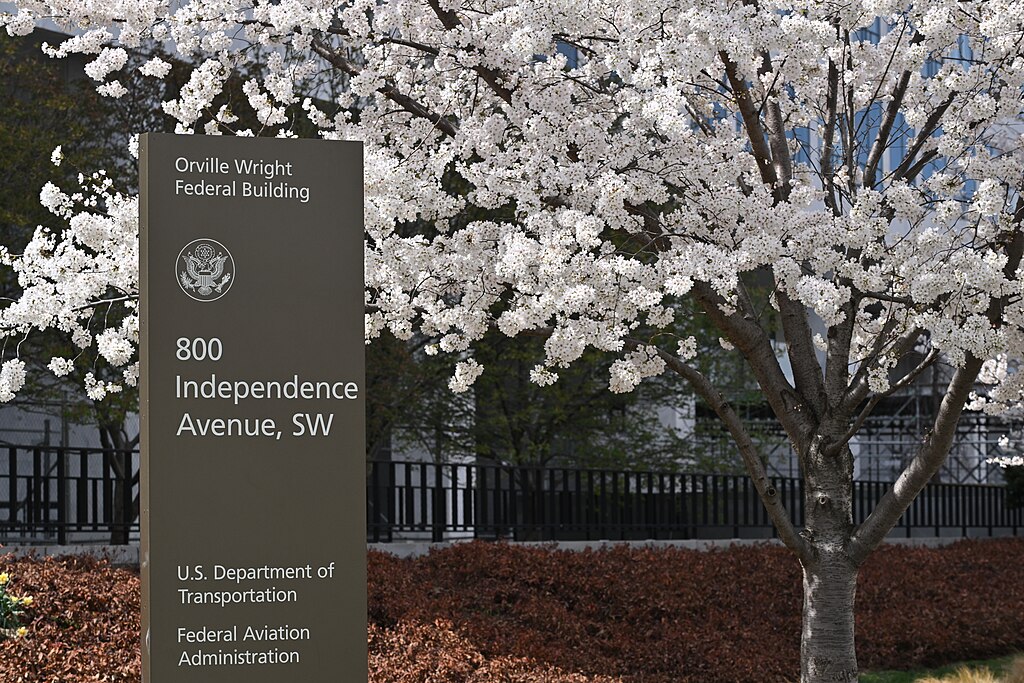
The U.S. Federal Aviation Administration (FAA) has proposed a new airworthiness directive that would require inspections of passenger seat installations on certain Boeing 737 MAX aircraft after identifying a potential safety issue involving improperly installed seats.
According to the FAA, the proposal covers specific Boeing 737-8, 737-9, and 737-8200 aircraft, affecting an estimated 453 U.S.-registered airplanes. The agency said it received reports indicating that some passenger seat assemblies may not have been correctly secured to the seat tracks during installation.
If adopted, the directive would require airlines to perform detailed inspections of the seat track fittings for both the left- and right-side passenger seat assemblies. The inspections are intended to verify that each seat is properly attached to the aircraft floor structure. Airlines would also be required to carry out any necessary corrective actions if installation issues are found.
The FAA warned that incorrectly installed passenger seats could create a potential safety hazard, particularly during severe turbulence or emergency landings when seats must withstand significant impact forces. While the agency did not cite any accidents or passenger injuries linked to the issue, it said the proposed inspections are necessary to address the identified risk before it could lead to a more serious problem.
Passenger seats are engineered to remain securely fastened under extreme conditions, making proper installation on seat tracks a critical part of aircraft safety and regulatory compliance.
The proposed directive represents the latest regulatory action involving Boeing's 737 MAX family, which has remained under close oversight by U.S. aviation regulators following the two fatal crashes involving the aircraft model in 2018 and 2019. Since then, the FAA has increased its scrutiny of the aircraft's manufacturing, maintenance, and safety standards.
If finalized, the directive would require affected airlines to inspect their Boeing 737 MAX fleets and correct any improperly installed seat assemblies to ensure continued compliance with FAA safety requirements and help maintain passenger safety.







