


 OpenAI Annualized Revenue Hits $50 Billion, Below Earlier Estimates
  Meta Launches Muse Wonder AI Models, Shares Rise 3.7%
  US Dollar Rises for Fourth Week as Fed Rate Hike Bets Grow
  Iran Refuses to Halt Uranium Enrichment Amid US Nuclear Demands
  US Suspends Microsoft, Adobe From Green Card Program
  Trump Announces Russia-Ukraine Energy Ceasefire as Zelenskiy Awaits Details
  Yandex Data Center Hit by Drone Strike as Russia-Ukraine Cyber Infrastructure Attacks Escalate
  Most Americans Oppose Election Betting on Prediction Markets, Poll Finds
  Uber Exits Four African Markets Amid Rising Competition
  Broadcom, Oracle and SpaceX Seek Billions in Private Debt for AI Expansion
  Trump Plans White House Shake-Up of Key AI Safety Agency
  TSMC Profit Set to Surge 65% as AI Chip Demand Drives Record Earnings
  Deutsche Bank CEO Urges Faster German Economic Reforms
  FAA Warns US Airlines Over Saudi Arabia Flight Risks
  Bumble Shares Surge 50% on $1 Billion Buyout Talks
  Airbus Tests Valkyrie Combat Drone in Europe for Eurofighter Integration
  Wall Street Ends Mixed as Investors Await CPI and Bank Earnings


 Add as a preferred source on Google
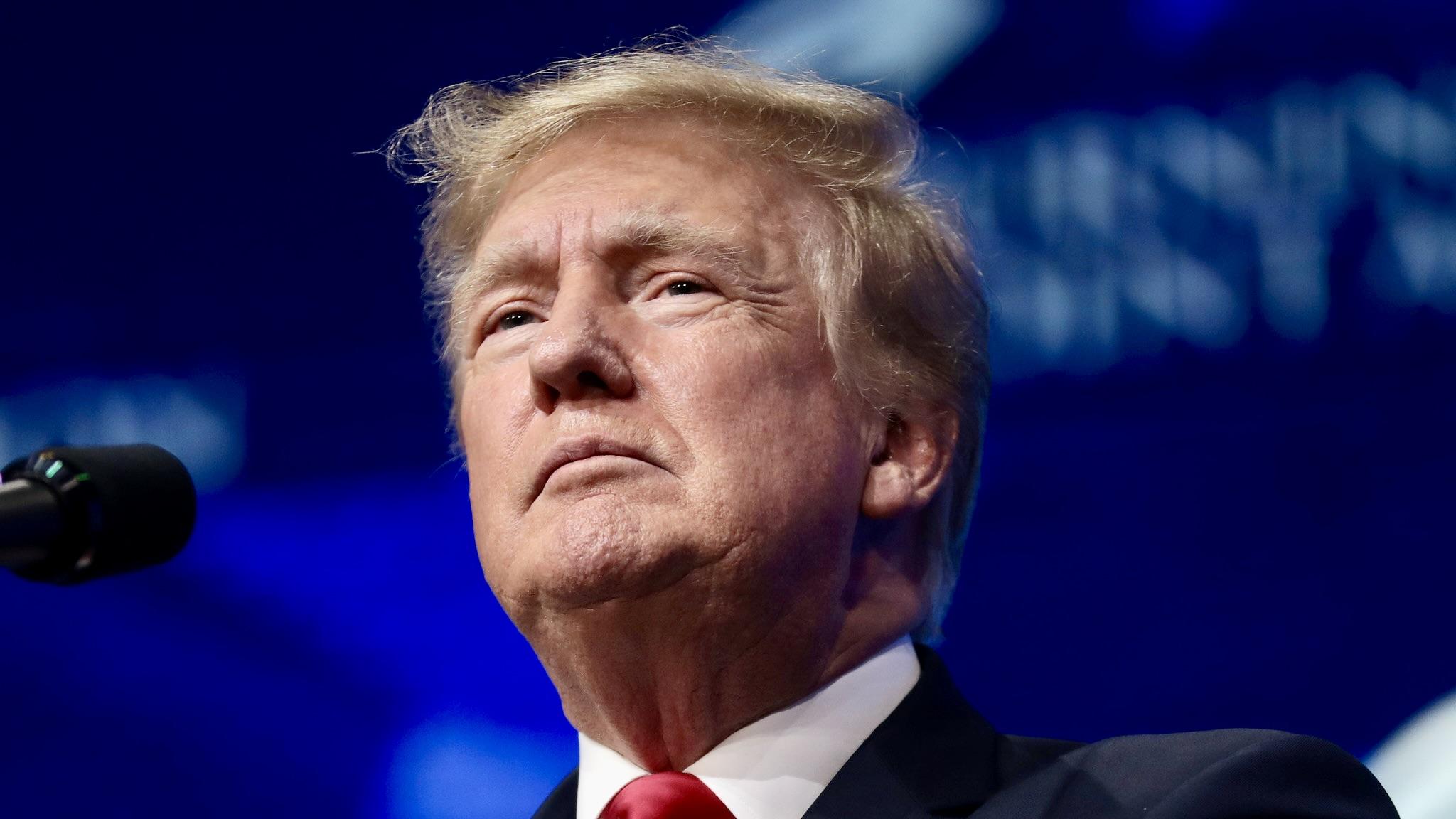
Automakers representing General Motors, Toyota, and Volkswagen are pressing President-elect Donald Trump to protect EV tax credits, address strict emissions rules, and counter China’s EV export subsidies. Industry leaders warn of significant challenges to U.S. competitiveness without federal action.
Automakers Push Trump to Protect EV Tax Incentives
The heads of several big automakers have gotten together to encourage the incoming president to keep important tax advantages for buying electric vehicles and to move quickly to implement self-driving cars, Yahoo Finance reports. Among these heads are representatives from GM, Toyota, and Volkswagen.
In an undisclosed letter dated November 12th, the Alliance for Automotive Innovation voiced its disapproval of vehicle emissions regulations, stating that "federal and state emissions regulations (particularly in California and affiliated states) that are out-of-step with current auto market realities and increase costs for consumers."
While the car companies have stated their support for "reasonable and achievable" pollution standards, they have been vague about the specifics of their rulemaking proposals. No comments came quickly from the Trump transition staff.
China’s EV Dominance Sparks Industry Warnings
John Bozzella, CEO of the group, wrote an open letter in which he said manufacturers were unfairly competing "from heavily subsidized electric vehicles and technologies exported from China" and mentioned that China was putting a regulatory framework in place to facilitate the deployment of self-driving cars.
Additionally, the group requested that Trump reevaluate the regulations that were finalized in April mandating the installation of sophisticated automatic emergency braking systems in practically all new vehicles by the year 2029. They have previously stated that complying with the regulations would be "practically impossible with available technologies."
A story surfaced last week by Reuters stating that the electric vehicle (EV) transition in the United States is already in a precarious state, and that Trump's transition team is planning to make matters worse by eliminating the $7,500 consumer tax credit for EV purchases.
Biden’s EV Mandates Face Potential Rollbacks
According to Reuters, the Trump transition team is planning to take aim at federal regulations that President Joe Biden supported, which are aimed at making cars more fuel-efficient and encouraging a move toward electric vehicles.
Seemingly intended to fulfill a campaign pledge by Trump to "end the EV mandate," the move would be reminiscent of a same effort under the first Trump administration to repeal vehicle-efficiency regulations enacted by the Obama administration.
While there isn't quite a "EV mandate" in place, the laws proposed by the Biden administration would effectively force automakers to switch to EVs at a rate of 35% by 2032 only to meet the standards, and they would also promote a slow but steady elimination of production of fossil fuel-powered vehicles.







