


 Flavio Bolsonaro Leads Lula 49%-45% in Brazil Runoff Poll
  Djibouti Migrant Boat Capsizes, Killing 139 and Leaving 84 Missing
  US, EU Push for Action Against Asia’s Excess Factory Capacity
  Trump Cancels Alabama Football Trip as Hurricane Isaias Approaches
  Zelenskiy Slams US Over Deadly Russian Strikes on Ukraine
  US Charges Maduro and Wife With Torture Conspiracy
  Russian Strikes Kill Six in Ukraine, Including Three in Kharkiv
  JD Vance Questions Pentagon Plan to Livestream Fort Hood Shooter’s Execution
  Pakistan Declares Emergency in Khyber Pakhtunkhwa, Suspends Imran Khan’s PTI Government
  Zelenskiy Offers Russia Energy Truce Amid Trump Pressure
  Trump Sanctions International Criminal Court, Sparking EU Backlash
  UK Finance Minister Healey Calls for Fiscal Discipline Amid Global Risks
  Brazil Election: Lula and Bolsonaro Rally Ahead of October 25 Runoff
  Panama Declares Emergency After 7.7 Earthquake Triggers 200 Aftershocks
  Houthis Warn Saudi Airports After Deadly Riyadh Attack
  Trump Calls for Zelenskyy Replacement Amid Russian Diesel Deal
  Trump Announces Russia-Ukraine Energy Ceasefire Amid U.S. Pressure on Kyiv


 Add as a preferred source on Google
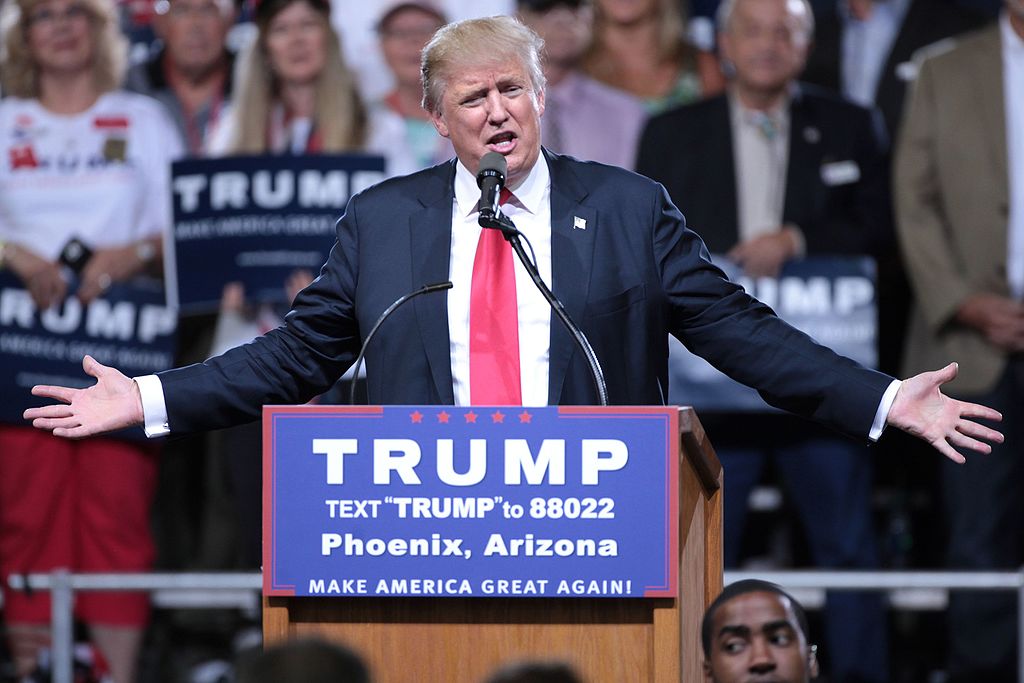
As President Donald Trump embarks on his second term in January 2025, his administration is poised to further reshape the Supreme Court, potentially solidifying a conservative majority that could influence American jurisprudence for generations.
Potential Vacancies and Nominations
With the possibility of additional vacancies on the Supreme Court, Trump's shortlist reportedly includes staunch conservatives committed to originalist interpretations of the Constitution. Legal analysts suggest that such appointments could entrench a conservative majority, influencing rulings on pivotal issues like abortion, gun rights, and executive power.
Impact on Key Legal Issues
The potential shift in the Court's composition has significant implications for landmark decisions. For instance, the 2022 Dobbs ruling overturned Roe v. Wade, and future conservative rulings may target other landmark cases.
Public Reaction
The prospect of a more conservative Supreme Court has elicited a spectrum of reactions:
-
@JusticeForAll: "Concerned about the erosion of checks and balances. The judiciary must remain impartial."
-
@ConservativeVoice: "Finally, a president committed to restoring constitutional principles in our judiciary. Long overdue!"
-
@LegalEagle: "Stacking the courts with loyalists undermines judicial independence. This sets a dangerous precedent."
Conclusion
President Trump's 2025 judicial appointment plans signal a concerted effort to influence the federal judiciary's direction for generations. While supporters applaud the move toward conservative jurisprudence, critics warn of potential threats to judicial independence and the balance of powers. As the nomination process unfolds, the nation watches closely, aware of the profound implications these appointments hold for the future of American law and governance.







