


 Saudi Arabia Probes Flydubai Cockpit Attack
  France to Release 10 Million Barrels of Diesel to Ease Fuel Prices
  US-Taiwan Ties Remain Strong as Taipei Urges Timely Arms Deliveries
  Mexico Bars Dual Citizens From Presidential Races Starting in 2028
  Trump Plans Diesel Tax Relief as Fuel Prices Hit Record Highs
  Saudi Airport Attacks Kill Three as Yemen Fighting Escalates
  Paramount-Warner Bros. Discovery Merger Faces Lawsuit From 12 States
  Merz Warns of Extremism After AfD Gains Power in Saxony-Anhalt
  Trump Opens Tax-Exempt Dyed Diesel Access as Fuel Prices Surge
  DOJ Antitrust Chief Rejects Political Fast-Track for Paramount-Skydance Deal
  Trump Rallies in Texas as Republicans Face Tight Midterm Races
  Kalshi Wins CFTC Approval for S&P 500 Perpetual Futures
  Maduro, Wife May Face New US Torture Charges
  Vance Demands Iran Cut Nuclear Enrichment to End War
  Mexico Probes Miss Universe President Raul Rocha Over Alleged Criminal Links


 Add as a preferred source on Google
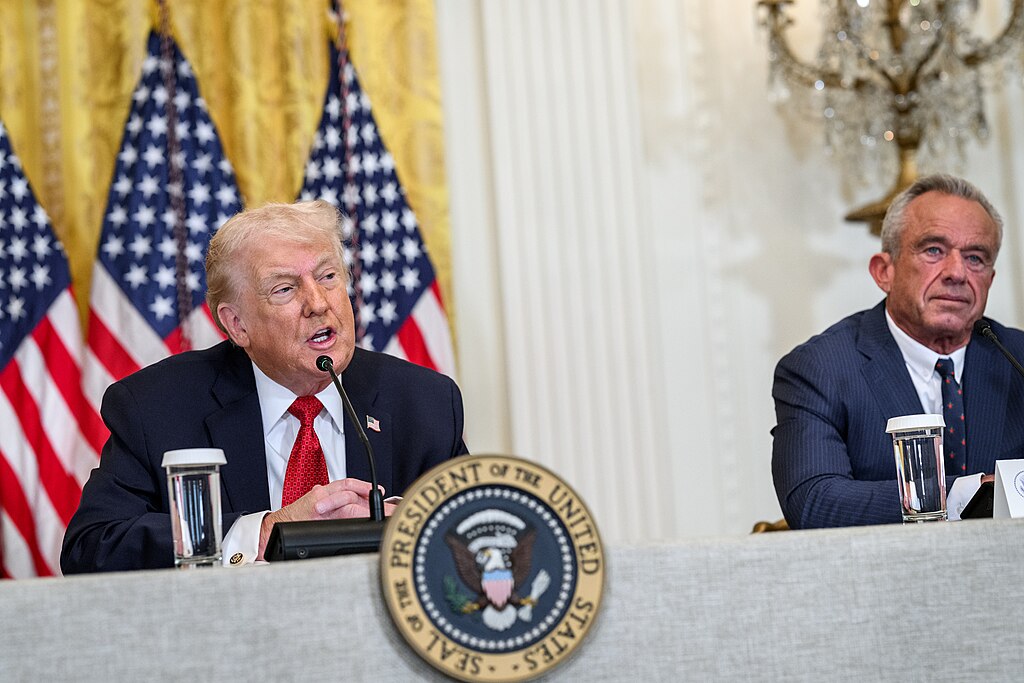
President Donald Trump has proposed that the John F. Kennedy Memorial Center for the Performing Arts suspend all events for approximately two years, beginning July 4, as part of what he described as a major transformation plan for the iconic Washington, D.C. arts institution. The proposal was shared Sunday via Trump’s social media platform, Truth Social, and comes amid significant controversy surrounding recent leadership and structural changes at the Kennedy Center.
In his post, Trump stated that, subject to board approval, halting entertainment operations would be the fastest way to elevate what he referred to as “The Trump Kennedy Center” to a new level of “success, beauty, and grandeur.” He added that the temporary shutdown would allow for reconstruction and reorganization, culminating in a “Grand Reopening” that he claims would surpass any previous iteration of the performing arts facility.
The Kennedy Center, which traditionally hosts more than 2,000 events annually, has experienced mounting instability in recent months. This unrest followed Trump’s appointment as chairman, his efforts to shift the organization’s artistic direction, proposed reconstruction plans, and the board’s decision to add his name to the institution. These moves have sparked backlash across the arts and entertainment community.
As a result, several high-profile performers and productions have withdrawn from scheduled appearances. Notable cancellations include a touring production of the hit musical “Hamilton,” composer Philip Glass, and actress and producer Issa Rae. These withdrawals have raised concerns about the future of programming at one of the nation’s most prominent cultural venues.
Despite widespread attention and criticism, the Kennedy Center did not immediately respond to media requests for comment regarding Trump’s proposed two-year shutdown. It remains unclear whether the board will approve the plan or how such a prolonged closure would impact staff, artists, and the broader cultural landscape.
The situation continues to evolve, drawing national attention as debates intensify over leadership, artistic freedom, and the future direction of the Kennedy Center.







