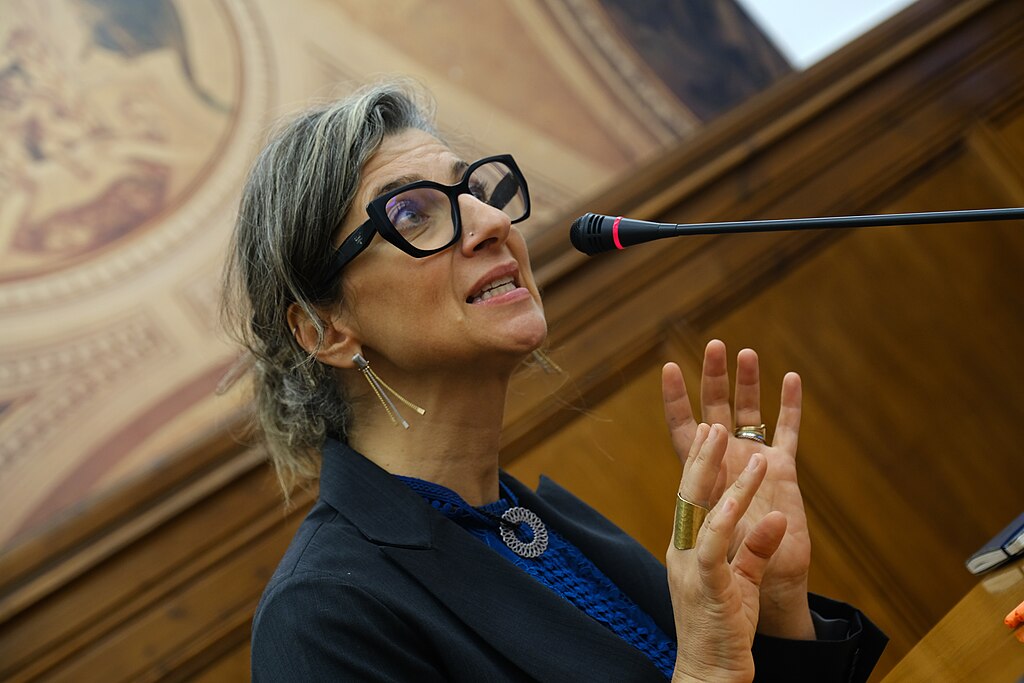
Francesca Albanese, the United Nations Special Rapporteur on human rights in the occupied Palestinian territories, has denounced what she described as “toxic” and personally damaging attacks following calls from several European governments for her resignation. Germany, France, Italy and other states have recently urged Albanese to step down over her sharp criticism of Israel’s actions in Gaza. The Italian human rights lawyer argues that her statements have been taken out of context and misrepresented.
Speaking via video link from Jordan, Albanese told reporters that the backlash has severely affected both her professional responsibilities and her family life. Her comments come amid mounting diplomatic pressure and formal complaints. In a letter dated February 15, Israel’s permanent mission in Geneva wrote to the president of the U.N. Human Rights Council, accusing Albanese of violating the U.N. code of conduct. The letter claimed she undermines the credibility and moral authority of the United Nations and alleged she had shared antisemitic tropes—claims she has consistently denied.
France also voiced concern this week. Speaking before the Human Rights Council, French Ambassador Céline Jurgensen stressed that all U.N. mandate holders must exercise restraint, moderation and discretion. While she did not mention Albanese by name, the remarks were widely interpreted as directed at her.
The controversy intensified after the United States imposed sanctions on Albanese in July, citing what it described as “illegitimate and shameful efforts” to encourage International Criminal Court investigations into U.S. and Israeli officials. Albanese has characterized the sanctions as part of a broader attempt to weaken international accountability mechanisms. Her family has since filed a lawsuit in Washington, arguing that the sanctions have effectively debanked her and made daily life difficult. The U.S. State Department dismissed the lawsuit as baseless and reiterated its criticism of her conduct.
Israel has firmly rejected allegations of genocide related to the Gaza conflict, calling similar U.N. reports “scandalous” and “fake.” Meanwhile, U.N. Human Rights Council President Sidharto Reza Suryodipuro expressed concern over personal attacks against mandate holders, emphasizing that their independence and protection are vital to the council’s credibility and effectiveness.