


 Yemen Fighting Threatens Red Sea Oil Routes
  North Korea Vows to Expand Nuclear Arsenal Amid U.S.-Led Military Buildup
  SEC Seeks ISS Client Voting Records in Proxy Adviser Probe
  South Korea’s Cho Hyun to Meet Rubio in Washington
  France Targets Shein, Temu With Fast-Fashion Fees
  Australia Tightens Student Visa Rules, Targets Migration Cut by 2028
  Nvidia CEO Jensen Huang Expected at Trump-Xi State Dinner
  UK PM Andy Burnham Set for First Trump Meeting in New York
  What is Zionism? The different meanings of a contested term
  US Judge Dismisses Imran Ahmed Deportation Lawsuit
  US Confirms Weapons in Orbit as Space Tensions Rise
  Judge Blocks Trump Rule Limiting Foreign Student Visas
  Saudi Arabia Shuts East-West Oil Pipeline After Drone Attack
  New Zealand Labour Backs Social Media Ban for Under-16s
  Trump Hopes Iran War Nears End as Yemen Fighting Escalates
  Banking scandal rocks Brazil’s politics and the country’s presidential election in October
  Paris Talks Focus on Lebanon Army Needs as UNIFIL Exit Looms


 Add as a preferred source on Google
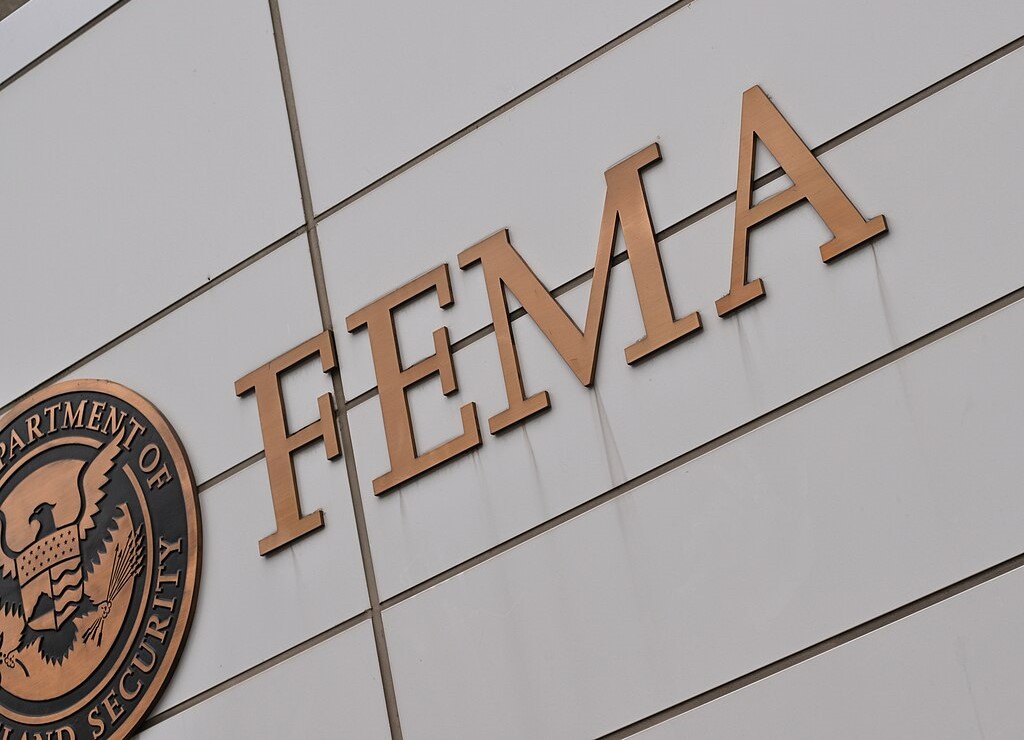
U.S. President Donald Trump has approved an emergency declaration for Washington, D.C., following a massive sewage spill into the Potomac River, triggering a coordinated federal response led by the Federal Emergency Management Agency (FEMA). The decision authorizes FEMA to support disaster relief operations aimed at protecting public health, safeguarding property, and assisting local authorities as they manage the environmental crisis.
The emergency declaration comes after a rupture in a major sewer pipeline released hundreds of millions of gallons of untreated wastewater into the Potomac River. The incident prompted immediate local emergency declarations and urgent requests for federal assistance. Officials have warned residents about elevated bacteria levels and significant environmental risks, advising the public to avoid contact with river water until further notice.
Under federal disaster law, FEMA is now authorized to coordinate emergency protective measures and provide logistical and operational support to the District of Columbia. While the declaration does not automatically provide direct financial assistance to individuals, it enables federal agencies to supplement local and regional response efforts. Crews are currently working to contain the sewage spill, assess environmental damage, and repair the damaged infrastructure.
Washington Mayor Muriel Bowser formally requested federal resources, citing the scale of the wastewater discharge and the potential long-term public health impact. The incident has intensified concerns over aging water infrastructure in the nation’s capital and sparked debate between federal and local officials regarding accountability and crisis management.
Environmental experts warn that large-scale sewage spills can have lasting ecological consequences, affecting water quality, aquatic life, and surrounding communities. As cleanup efforts continue, authorities are closely monitoring bacteria levels in the Potomac River to ensure public safety.
The FEMA emergency declaration marks a significant step in addressing the sewage spill crisis, reinforcing federal coordination as Washington, D.C., works to mitigate environmental damage and restore safe conditions.







