


 US Judge Dismisses Imran Ahmed Deportation Lawsuit
  Trump Administration Removes Confederate Memorial Criticism From Arlington Website
  ICE Agent Arrested in Minneapolis Over Venezuelan Man Shooting
  Australia Plans New Rules Giving Users Control Over Social Media Feeds
  US Delegation Visits Myanmar, Secures Release of American Adam Castillo
  Pentagon Restarts Testosterone Testing for US Troops
  Venezuela Nears Deal to Move $4 Billion in Gold to New York Fed
  Australia Defends Social Media Algorithm Law Amid US Concerns
  US-China Experts Push AI Nuclear Safeguards to Prevent Military Escalation
  Vietnam, U.S. Firms Plan 29 Deals Across Energy, Tech and Aviation
  Trump Hopes Iran War Nears End as Yemen Fighting Escalates
  US Bans Canadian Alcohol, Motorcycles as Trade War Escalates
  Paris Talks Focus on Lebanon Army Needs as UNIFIL Exit Looms
  U.S. Probes Apex Logistics Over Nvidia AI Chip Shipments to China
  Synthetic data could ease people’s concerns about privacy breaches. But who gets to create it?


 Add as a preferred source on Google
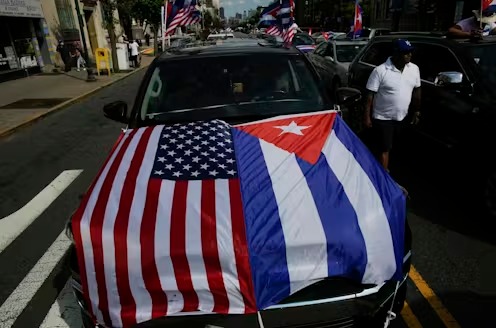
U.S. President Donald Trump signed a new memorandum on Monday reinstating strict sanctions on Cuba, reversing several policies introduced by former President Joe Biden. The directive marks a return to hard-line measures, reinforcing the U.S. embargo and tightening restrictions on travel and financial dealings with the communist-led nation.
The White House announced that the memorandum enforces the statutory ban on U.S. tourism to Cuba, allowing only limited travel for educational, humanitarian, or other approved purposes. Travelers must maintain detailed records of all related transactions for at least five years, and compliance will be monitored through audits.
Trump also renewed the ban on financial transactions with Cuban military-controlled entities, such as Grupo de Administración Empresarial S.A. (GAESA) and its affiliates. Exceptions will be made only for activities that align with U.S. policy objectives or directly benefit the Cuban people.
This policy shift follows Trump’s earlier reversal of the Biden administration’s decision to remove Cuba from the U.S. list of state sponsors of terrorism. Additionally, the new order supports continued economic pressure by opposing efforts in the United Nations to lift the U.S. embargo.
Cuban Foreign Minister Bruno Rodríguez condemned the move, calling it a “criminal act” and a violation of human rights. He argued that the sanctions represent the biggest obstacle to Cuba’s development and harm the Cuban population.
Trump’s Cuba policy aims to curb the flow of U.S. dollars to the Cuban government and military while signaling a tougher stance on communist regimes. The decision underscores his administration’s commitment to reversing what it views as concessions made under Biden and reinforcing pressure on Havana amid ongoing political tensions.
This development adds a new layer of uncertainty to U.S.-Cuba relations, with potential implications for regional diplomacy and economic engagement.







