


 US Judge Dismisses Imran Ahmed Deportation Lawsuit
  Australia Plans New Rules Giving Users Control Over Social Media Feeds
  Nvidia-Groq AI Chip Deal Faces U.S. Antitrust Probe
  DOJ Will Investigate AI-Related Crimes, Attorney General Blanche Says
  US Resumes Immigrant Visa Processing for Hungary, Poland
  Trump Eyes End to Iran War, Plans Gulf Leaders Meeting
  Ukraine Tests New Anti-Drone Weapon After Successful Shahed Intercept
  Japan, U.S. Discuss $19 Billion GlobalFoundries Chip Plant
  Australia Tightens Student Visa Rules, Targets Migration Cut by 2028
  Saudi Arabia Shuts East-West Oil Pipeline After Drone Attack
  Countries Tighten Social Media Bans for Children
  FDA Weighs Safety Standards for Psychedelic Therapies
  What is Zionism? The different meanings of a contested term
  SEC Probes Banks Over Situational Awareness Hedge Fund Collapse
  Guterres Urges Stronger Global AI Safeguards Ahead of UN Assembly
  Brazil Warns EU of Retaliation Over Animal Products Ban
  Europe can’t achieve space sovereignty alone. Here’s why


 Add as a preferred source on Google
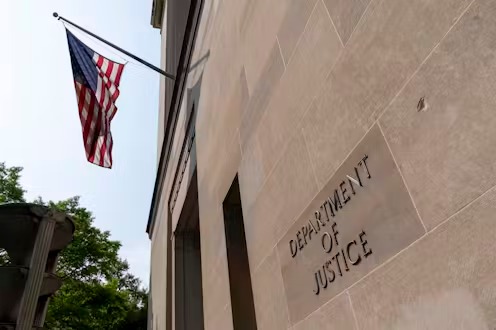
The U.S. Justice Department has removed a government lawyer from a high-pressure assignment in Minnesota following blunt comments made in federal court about her workload and the government’s failure to comply with judicial orders. The incident has drawn renewed attention to mounting tensions within the U.S. immigration enforcement system and the strain placed on federal courts during intensified immigration crackdowns.
Julie Le, an attorney with the U.S. Department of Homeland Security, had been temporarily assigned to the U.S. Attorney’s Office for the District of Minnesota. Her role was to help manage hundreds of lawsuits filed by detainees challenging their detention during the Trump administration’s immigration enforcement surge, including actions linked to “Operation Metro Surge.” These cases significantly increased the burden on the Minnesota federal court system.
During a hearing in St. Paul, U.S. District Judge Jerry Blackwell ordered Le and another government lawyer to explain why immigration authorities had repeatedly failed to comply with court orders, including directives to release detainees. According to a court transcript, Le expressed frustration with the situation, telling the judge she had “stupidly” volunteered for the assignment and remarking, “The system sucks. This job sucks.” She also acknowledged that U.S. Immigration and Customs Enforcement had not consistently followed court orders, either in the past or at present.
Le emphasized that she had worked long days and nights attempting to ensure compliance, but said she lacked proper training from the Justice Department and struggled to coordinate with immigration authorities. At one point, she told the judge she wished to be held in contempt simply to get a full day of sleep, underscoring the intense pressure she was under.
A Justice Department spokesperson stated that the administration was complying with court orders and enforcing federal immigration law, attributing high caseloads to what it described as “rogue judges.” Meanwhile, a Department of Homeland Security spokesperson criticized Le’s remarks as unprofessional. A source familiar with the matter confirmed that her assignment was cut short, though it remains unclear whether she returned to her previous DHS position.
The Minnesota U.S. Attorney’s Office has faced exceptional strain, compounded by recent resignations of prosecutors protesting how the administration handled a separate fatal shooting investigation involving an immigration agent. Judge Blackwell noted that some of the court’s workload stemmed from the government’s own failure to comply with orders. Le echoed these concerns and highlighted the personal stakes, noting that as a non-white attorney, her own family could be affected by aggressive immigration enforcement.
The episode highlights ongoing challenges within the U.S. immigration system, including compliance with court rulings, staffing pressures, and the human toll on government lawyers tasked with navigating an increasingly complex legal landscape.







