
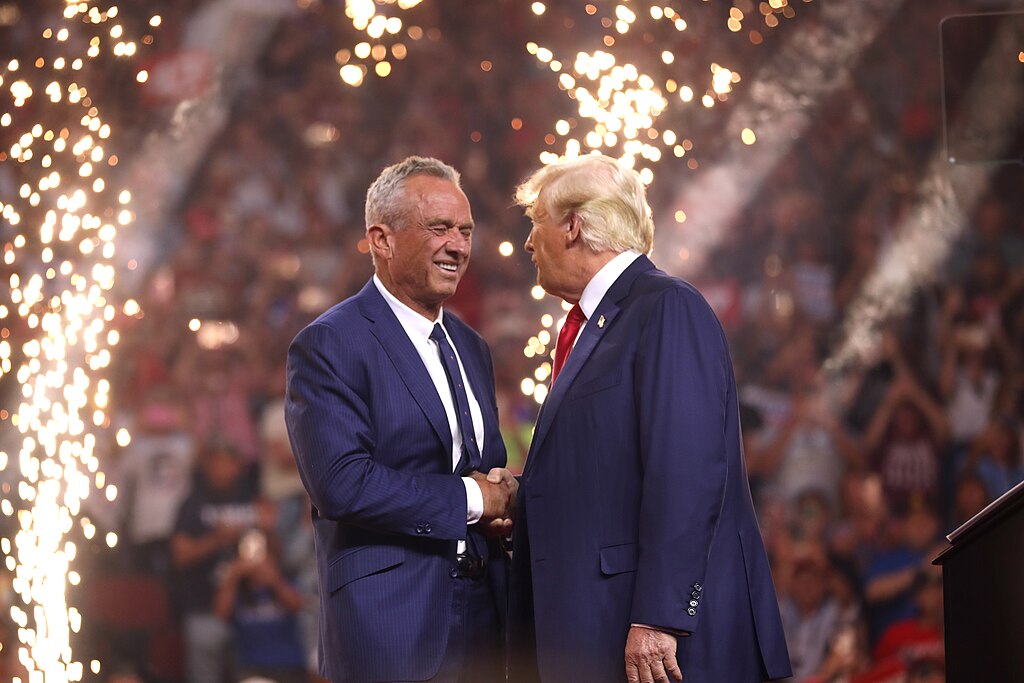
U.S. President Donald Trump has declassified documents related to John F. Kennedy’s 1963 assassination, fulfilling a campaign promise for greater transparency. Over 80,000 files are expected to be published through the National Archives, shedding new light on Lee Harvey Oswald and Cold War intelligence.
Among the revelations, a 1964 memo detailed a Warren Commission researcher’s interview with CIA employee Lee Wigren, addressing inconsistencies in intelligence records. Some documents explored conspiracy theories suggesting Oswald left the Soviet Union in 1962 with the intent to assassinate Kennedy, while others dismissed Soviet ties, including a 1991 report in which a KGB official denied Oswald was ever an agent.
Declassified Defense Department papers also delved into Cold War tensions, revealing U.S. concerns over Fidel Castro’s support for Latin American communists. A 1962 document exposed Operation Mongoose, a CIA campaign of sabotage against Cuba, authorized by Kennedy in 1961.
Trump’s directive also led to the discovery of thousands of previously unknown documents, pushing the Justice Department to review sensitive records. Experts, however, believe the release won’t change the official conclusion that Oswald acted alone.
Despite decades of reaffirmations, public skepticism persists. Polls show many Americans still suspect a conspiracy behind Kennedy’s death. Trump has also vowed to declassify files on the assassinations of Martin Luther King Jr. and Robert Kennedy, though plans for those releases remain pending.
Robert F. Kennedy Jr., Trump’s health secretary and JFK’s nephew, claims the CIA was involved in his uncle’s assassination, an allegation the agency denies. He also disputes the official account of his father’s 1968 assassination.
Trump emphasized the significance of the release, stating, “People have been waiting for decades for this. It’s going to be very interesting.”


