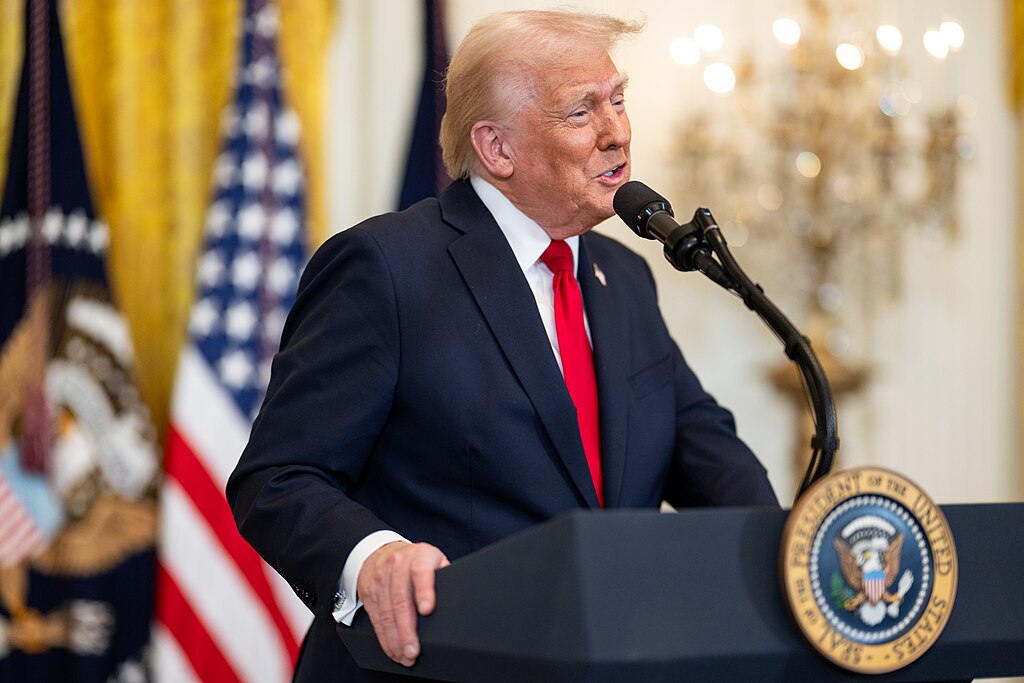
U.S. President Donald Trump has scored a diplomatic victory, brokering a ceasefire and hostage-release deal between Israel and Hamas signed in Egypt. While the achievement boosts Trump’s image as a peacemaker, experts say the real challenge lies ahead—maintaining pressure on Israeli Prime Minister Benjamin Netanyahu to follow through on the broader 20-point peace plan.
Trump’s deal, praised for its ambition, leaves key details vague—an approach that helped secure signatures but now complicates implementation. Central issues such as Hamas’ disarmament and its exclusion from Gaza’s future administration remain unresolved. Despite Hamas’ general agreement, the group’s leaders continue to signal intentions to remain politically active in Gaza, raising doubts about long-term peace.
Analysts caution that Netanyahu’s political survival instincts could soon outweigh diplomatic considerations, especially with Israel’s elections approaching. His right-wing coalition partners, including Itamar Ben-Gvir and Bezalel Smotrich, have already criticized the ceasefire, demanding Hamas’ total surrender. Any delays in disarmament could reignite calls for military action, potentially derailing Trump’s peace framework.
Trump’s leverage over Netanyahu stems partly from his unwavering support for Israel, including recognizing Jerusalem as its capital and affirming Israeli sovereignty over the Golan Heights. However, his recent assertiveness—such as forcing Netanyahu to apologize to Qatar after a failed airstrike—shows a new willingness to pressure the Israeli leader when necessary.
Despite the symbolic success, the plan’s mention of a possible Palestinian state remains contentious. Former U.S. ambassador Dan Shapiro warns that domestic opposition in Israel could weaken Arab nations’ resolve to ensure Hamas’ compliance, threatening the fragile peace.
As Trump touts his achievement, the durability of his “historic” peace deal hinges on political will and regional cooperation—two forces as unpredictable as the Middle East itself.