


 US Bans Canadian Alcohol, Motorcycles as Trade War Escalates
  What is Zionism? The different meanings of a contested term
  US Immigration Arrests Surge as Deportations Lag Behind
  Philippines Holds Historic Bangsamoro Election Amid Tight Security
  New Zealand Moves to Ban Social Media for Children Under 16
  France Targets Shein, Temu With Fast-Fashion Fees
  US Confirms Weapons in Orbit as Space Tensions Rise
  Trump Administration Pauses Visa Appointments Worldwide
  UK PM Andy Burnham Set for First Trump Meeting in New York
  Trump Rejects Calls for Tougher AI Regulation
  Google Changes EU Spam Policy Amid Antitrust Scrutiny
  U.S. Probes Apex Logistics Over Nvidia AI Chip Shipments to China
  New Zealand Labour Backs Social Media Ban for Under-16s
  Saudi Arabia Shuts East-West Oil Pipeline After Drone Attack
  Takaichi-Backed Koja Wins Okinawa Governor Race
  Guterres Urges Stronger Global AI Safeguards Ahead of UN Assembly
  Trump Administration Removes Confederate Memorial Criticism From Arlington Website


 Add as a preferred source on Google
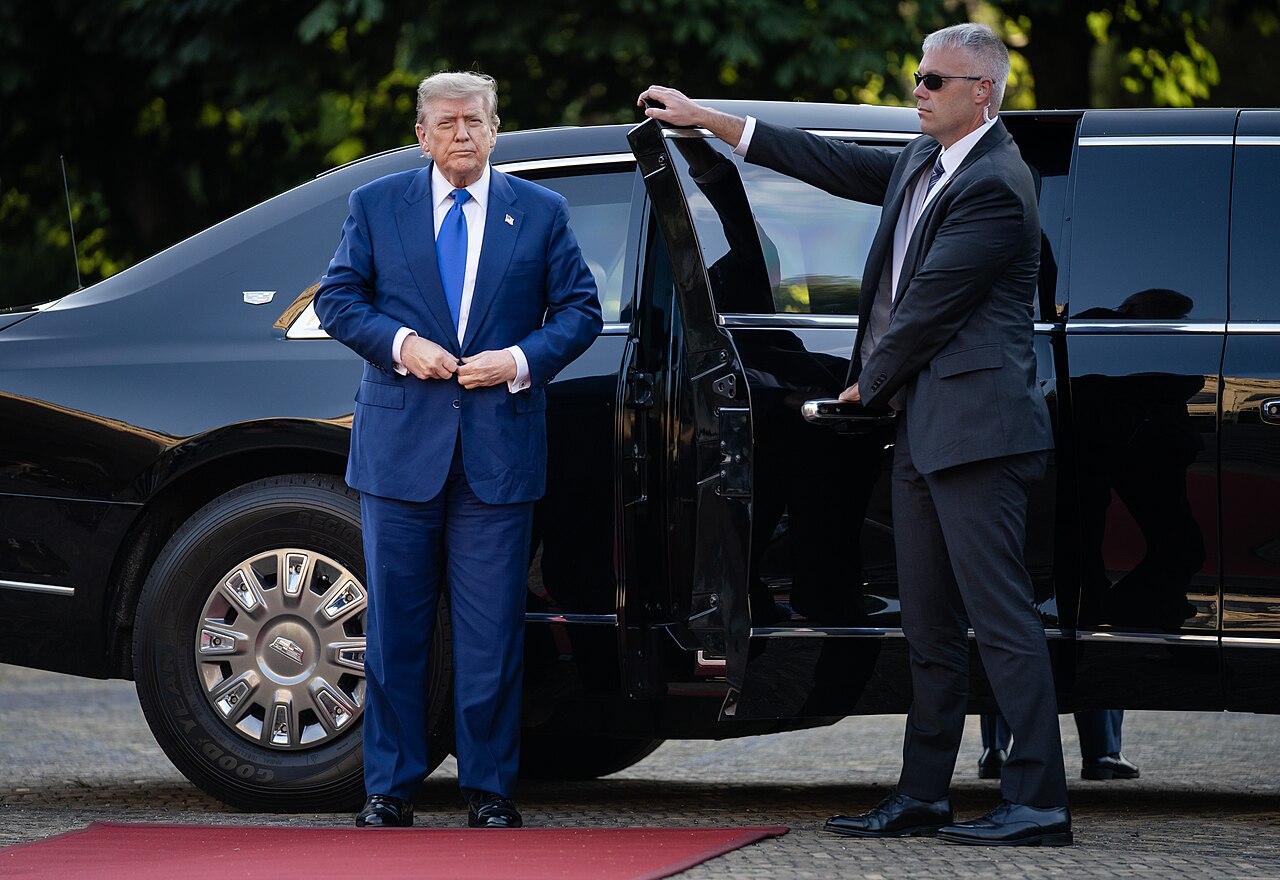
President Donald Trump signed an executive order on Monday that significantly tightens the rules governing U.S. defense contractors' use of materials sourced from China and other prohibited foreign suppliers. The move is aimed at strengthening America's defense industrial base, reducing supply chain risks, and boosting domestic sourcing of critical minerals and strategic materials.
Under the executive order, defense companies seeking waivers to purchase restricted foreign materials must now meet stricter requirements. Contractors will be required to prove they conducted a comprehensive search for alternative suppliers, disclose the origin of the materials they intend to use, and provide a detailed plan for transitioning away from banned sources over time.
The new policy raises the bar for obtaining exemptions and warns that companies unable to demonstrate meaningful efforts to secure domestic or approved alternative supplies could lose Pentagon contracts.
Ahead of the announcement, White House adviser Peter Navarro said the Trump administration would no longer tolerate minimal compliance from contractors requesting waivers. The administration's objective is to accelerate the shift toward secure, resilient supply chains that reduce U.S. dependence on geopolitical rivals.
The executive order comes as the Pentagon continues urging major defense manufacturers, including Lockheed Martin and Boeing, to expand production of missiles, aircraft, and other military equipment in response to growing global security demands. However, many advanced defense systems still rely on critical minerals, rare earth elements, and processed materials that are largely sourced or refined in China, creating strategic vulnerabilities.
In addition to tightening waiver requirements, the order directs the Department of Defense to establish new regulations requiring contractors to map defense supply chains from raw material extraction through finished military products. The initiative is intended to improve supply chain transparency, identify potential weaknesses, and ensure the U.S. defense sector can maintain production even during geopolitical disruptions.
The latest executive action underscores the Trump administration's broader strategy to strengthen national security by reducing reliance on foreign suppliers, expanding domestic manufacturing capabilities, and securing access to critical materials essential for America's defense industry.







