The Trump Administration appears to have a tilted relationship with science and technology. Anything that has to do with climate change is suppressed or denied. Anything that is bold, loud, and expensive such as going to the moon or Mars is encouraged. With regards to the latter case, the sitting president just signed a directive that essentially ordered NASA to start doing moon landings again.
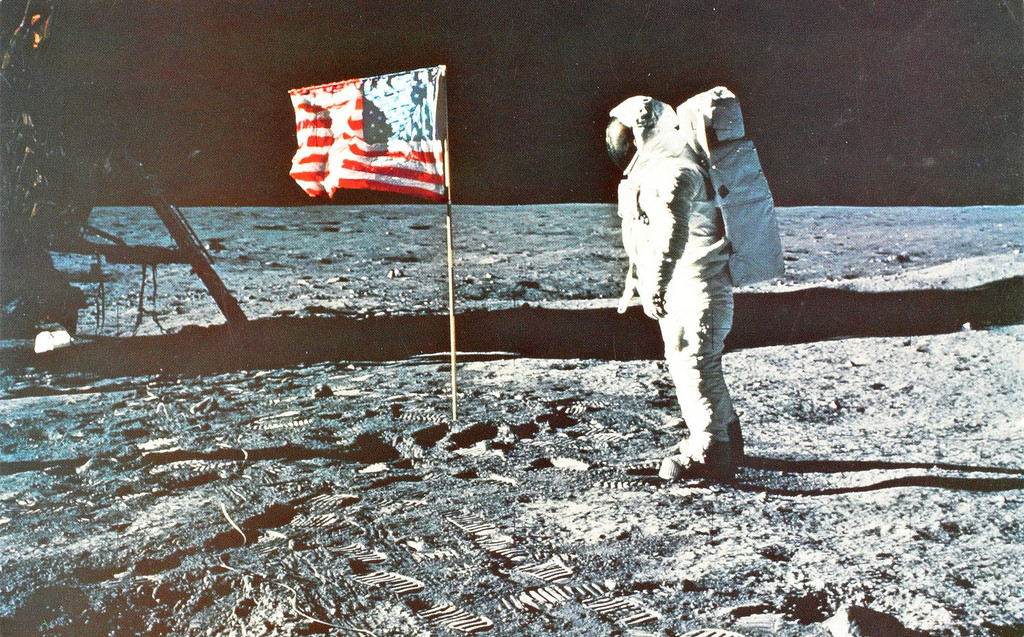
President Trump signed the directive on Monday, which is aimed at advancing the country’s space exploration efforts, CBS News reports. One of the primary mandates in the order is to have NASA put Americans back on the moon as preparation for the bigger Mars mission.
During the signing ceremony in the White House, Mr. Trump said that it was meant to "refocus America's space program on human exploration and discovery." He also noted how the country can dream again, saying "Imagine the possibility waiting in those big beautiful stars if we dare to dream big. That's what our country is doing again, we're dreaming big.”
This is just the latest move by the Trump administration to revive NASA’s space initiatives that were canned decades ago. Aside from reviving the National Space Council advisory body back in June, which has been dead for almost a decade, Vice President Mike Pence was also made its head.
While this may sound wonderful from a scientific and exploratory standpoint, some argue that the directive is simply one giant distraction, Futurism reports. The current administration is plagued by scandal after scandal, ranging from the investigation of collusion related to the Russian election tampering, to the numerous sexual harassment issues rocking the Republican party.
By making a grand ceremonial gesture such as reopening space exploration without any actual plans as to how to accomplish this, the Trump team is following the same tactics that the president has used many times before. Instead of developing clear-cut goals based on actual science, this seems to be another scheme to blind the public with overblown promises.